Defending domestic industrial policy
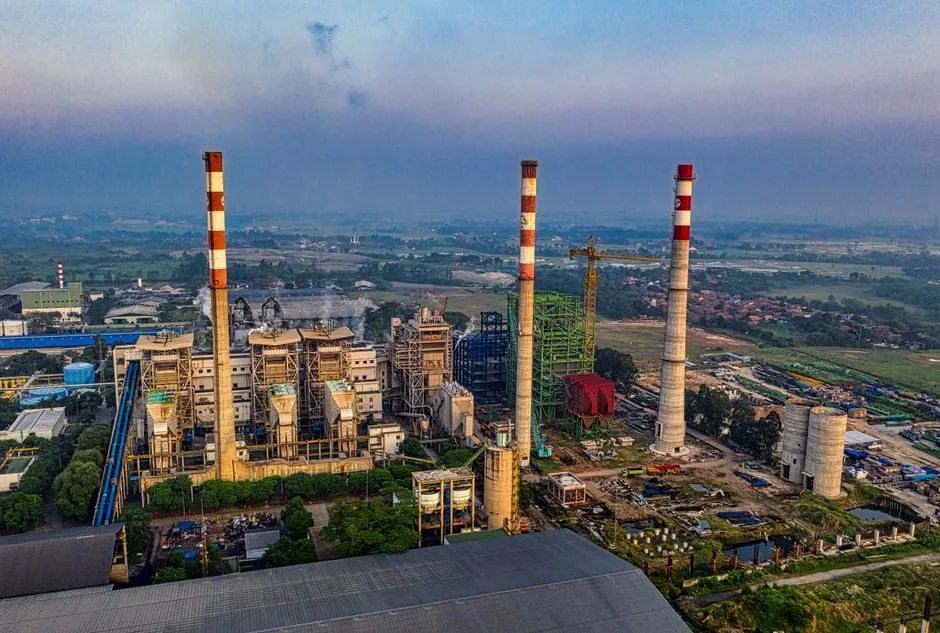
Setyoko identified downstreaming as Indonesia's most significant recent priority at the WTO. He placed it alongside Golden Indonesia 2045, competitiveness and efficiency, saying these principles align with the central government's agenda.
Trade agreements are not Indonesia's only means of defending those interests, he said. The country also uses WTO negotiations to protect domestic measures that support downstreaming and improve economic efficiency.
Setyoko said Indonesia consistently supports technology transfer and industrial policy. It also examines rules governing subsidies and liberalization for provisions that support downstreaming and competitiveness.
Nickel restrictions face an unresolved challenge
Indonesia's nickel dispute illustrates how its industrial policies intersect with the WTO's troubled dispute settlement system. In case DS592, Indonesia — Measures Relating to Raw Materials, a panel report circulated on November 30, 2022, found that the country's nickel ore export ban and domestic processing requirement violated Article XI:1 of the GATT 1994. The panel rejected the exceptions Indonesia had invoked to justify the measures.
Indonesia notified the Dispute Settlement Body of its decision to appeal on December 8, 2022. The appeal cannot move forward because the Appellate Body is not operational.
The European Commission estimated the direct effect of the nullification and impairment in the dispute at about €350 million, with an indirect impact up to four times higher. It named steel and stainless steel products as potential targets for countermeasures under the amended EU Enforcement Regulation. A stakeholder consultation opened on July 7, 2023, and closed on September 1, 2023.
Reform talks and an interim appeals route
The Jakarta Post describes the WTO's difficulties as its deepest crisis since the organization's founding in 1995. It cites protectionism, industrial subsidies and geopolitical rivalry as pressures undermining the rules-based trading system, while stalled reform and impaired dispute settlement have prompted questions about the body's relevance.
The appeals impasse dates to December 11, 2019, when the Appellate Body became unable to function after US objections prevented consensus on appointing new members. According to the WTO's post-MC14 briefing, 130 members continue to press for appointments while reform negotiations proceed.
Some members have adopted a temporary appeals route: the Multi-Party Interim Appeal Arbitration Arrangement, or MPIA, established under Article 25 of the Dispute Settlement Understanding. At the 14th Ministerial Conference in March 2026, it had 61 participating WTO members. Barbados, Liechtenstein and Moldova were the latest additions, and the WTO director-general said the arrangement had successfully resolved two appeals by that point.
The ministerial conference, held in Yaoundé, Cameroon, from March 26 to 29, 2026, produced neither a WTO reform agreement nor a final ministerial declaration. Members instead agreed to return the latest draft Yaoundé declaration on reform and its accompanying work plan to Geneva, with the aim of securing agreement at a forthcoming General Council meeting.