Lessons from Beijing's trade strategy: How China negotiated from weakness to pragmatic victory
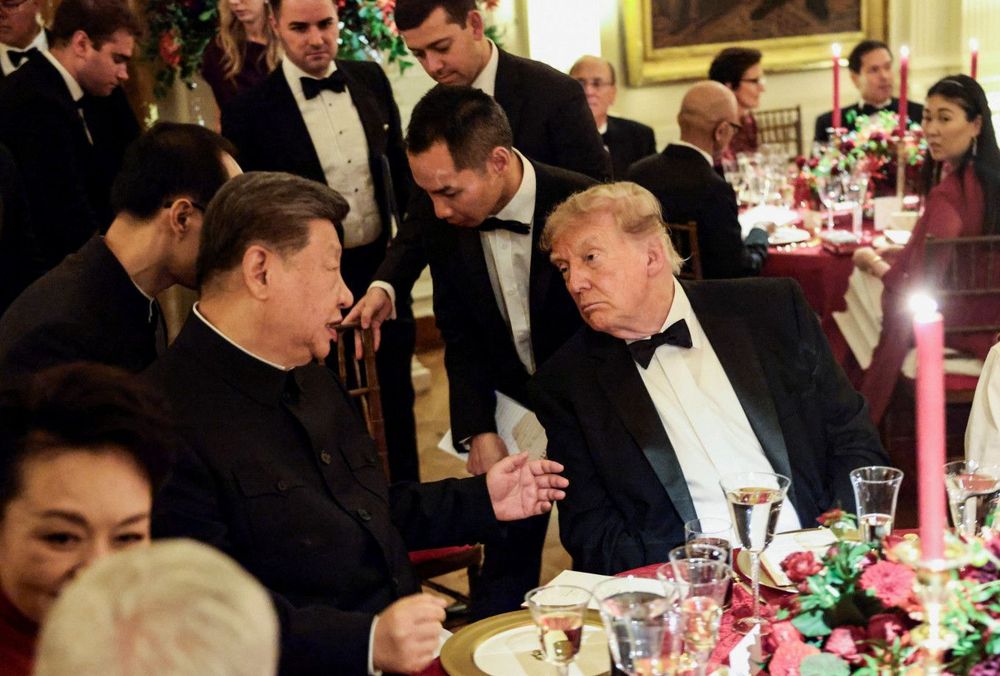
The September 2026 meeting between Presidents Donald Trump and Xi Jinping in Washington produced neither fanfare nor breakthrough. What emerged instead was a carefully calibrated agreement that revealed more about strategic patience than grand diplomacy.
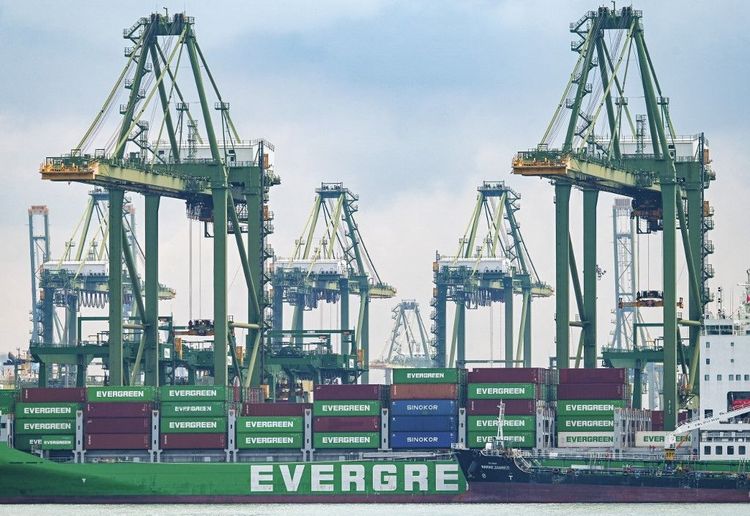
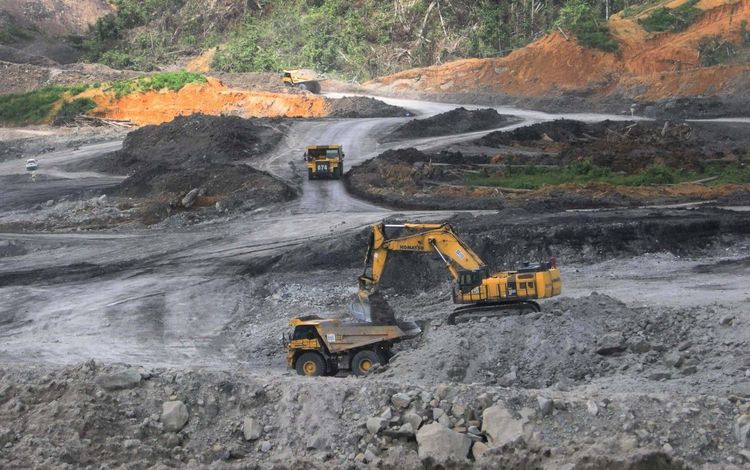
The two leaders announced a US$30 billion reciprocal tariff reduction covering nonsensitive goods: small appliances, toys, poultry, dairy products and coal. Conspicuously absent from the deal were semiconductors, electric vehicles and batteries. The world's two largest economies did precisely enough to extend their trade truce beyond its November expiration without resolving fundamental tensions.
One analyst characterized the outcome as a managed stalemate, while East Asia Forum described it as stabilization rather than resolution. Beijing-based consultancy Trivium called it a public relations victory for China. Yet the most instructive element lies not in what was agreed, but in how Beijing negotiated its way to this outcome.
Negotiating from vulnerability
China entered trade discussions with the United States from a position of genuine economic distress. Youth unemployment had surged beyond 20 percent by mid-2023, prompting authorities to suspend publication of the statistics. Foreign direct investment declined approximately 8-10 percent in 2023 compared to the previous year, marking the first significant drop in decades as investors cited geopolitical tensions and regulatory uncertainties. The country's export-dependent economy remained vulnerable to American tariffs that had, since 2018, covered over $360 billion worth of Chinese imports.
Rather than seeking quick relief through an early settlement, Beijing played a longer game. Chinese manufacturers diversified production across Southeast Asia through what became known as the "China Plus One" strategy, establishing partnerships particularly in Vietnam, Thailand and Indonesia. This allowed companies to maintain export competitiveness while circumventing some US tariffs. Simultaneously, China accelerated efforts to close technological gaps, though its semiconductor self-sufficiency remained at approximately 16 percent in 2023, far below the 70 percent target set under the "Made in China 2025" initiative.
Beijing also invested in personal diplomacy, nurturing Xi's direct relationship with Trump across three successive summits in Busan, Beijing and Washington, with additional engagements planned for later this year. This sustained high-level engagement occurred within a framework that maintained over 20 bilateral dialogues across economic, security and climate issues since 2023.
Strategic selectivity in concessions
Where political visibility mattered, China made purchases. It bought over $24 billion worth of US soybeans in 2022-2023, representing approximately 60 percent of all American soybean exports. Coal and aircraft followed similar patterns. These purchases served as visible gestures of goodwill without compromising strategic interests.
When negotiations finally occurred, Beijing demanded strict reciprocity. Every tariff reduction granted to the United States was matched by an equivalent concession from Washington. More importantly, everything that held strategic value remained off limits. China controls approximately 70 percent of global rare earth production and 90 percent of processing capacity for these materials critical to semiconductors, electric vehicles and defense systems. Chinese companies dominate electric vehicle battery production, commanding 75-80 percent of global manufacturing capacity through firms like CATL and BYD. Advanced chips and these strategic materials stayed firmly outside the negotiating framework.
Relevance for Indonesia
For Indonesia, China's negotiating approach offers pertinent lessons. Jakarta faces its own substantial trade challenges with Beijing, recording a bilateral deficit of approximately $45 billion in 2023, making it the country's largest trade imbalance with any single partner.
The parallel is instructive. Like China facing American pressure, Indonesia possesses strategic assets that could be leveraged in negotiations: nickel reserves critical for battery production, geographic position along vital shipping lanes, and a large domestic market. Yet Jakarta has often approached trade discussions seeking quick accommodation rather than strategic positioning.
Beijing's strategy demonstrates that countries can negotiate from positions of economic vulnerability by identifying and protecting core strategic interests, diversifying economic relationships to reduce dependence, investing in long-term capabilities while managing short-term pressures, and using visible but non-strategic concessions to maintain diplomatic momentum.
The US-China summit produced minimal concrete results by design. Both sides achieved what they needed: enough progress to prevent escalation, sufficient ambiguity to preserve domestic political narratives, and maintained leverage for future negotiations. The outcome was neither triumph nor failure, but calculated pragmatism.
For countries observing this dynamic, particularly those like Indonesia navigating their own complex trade relationships with major powers, the lesson is clear. Strategic assets provide negotiating leverage only when wielded with patience and protected with resolve. Quick deals may relieve immediate pressure, but strategic patience builds lasting advantage.