Indonesian manufacturing rebounds to seven-month expansion on surging demand
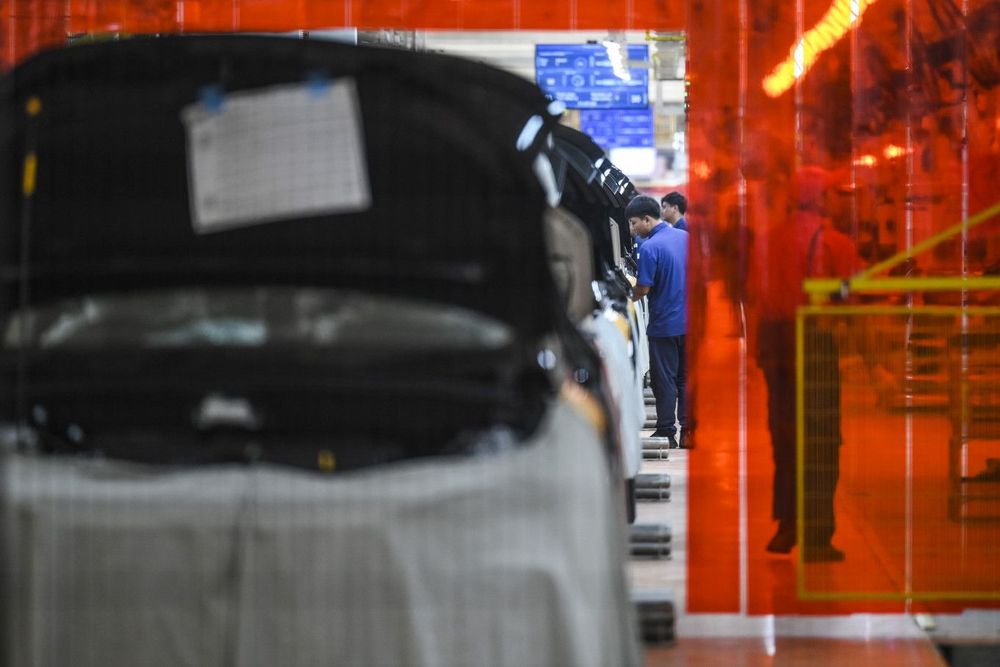
Indonesia's manufacturing activity rebounded to a seven-month high in September, propelled by strengthening domestic and international demand that pushed production and employment growth to their fastest pace since early 2026.
The S&P Global Purchasing Managers' Index climbed to 52.4 in September from 49.8 in August, crossing the 50-point threshold that separates growth from contraction. The recovery marks a turnaround after months of volatility that saw the index peak at 53.8 in February before plunging to 46.9 in June.
New orders drove the expansion, growing at the fastest rate since February as manufacturers reported increased customer demand, new project launches and improved purchasing power. Export orders also strengthened for a second consecutive month, expanding at the quickest pace since May 2022.
The surge in business translated into renewed production growth, with output rising at the fastest clip since February. Manufacturers attributed the increase to stronger customer demand, new projects and expanded product ranges. The PMI, derived from a survey of 400 manufacturing companies, comprises five weighted components including new orders, output, employment, supplier delivery times and stock purchases.
Employment and capacity pressures
Manufacturers added workers in September to support higher workloads, marking only the third month of job creation this year. The employment growth rate reached its fastest pace since February 2025.
Despite expanded capacity, backlogs of unfinished work accumulated at the strongest rate in five years, suggesting manufacturers struggled to fulfill incoming orders. Finished-goods inventories fell at the fastest rate since August 2020 as companies drew down existing stocks to meet demand.
Conflicting signals from government index
The manufacturing expansion contrasts with the Industry Ministry's Confidence Index, which registered 51.93 in September, down 0.37 points from August's 52.30 and 1.09 points below the previous year's level of 53.02.
Within the government index components, new orders increased to 53.40 from 53.13 in August, but the production index fell 1.32 points to 53.78, while inventory levels contracted to 45.45. Of 23 industrial subsectors tracked, 15 remained in expansion territory, contributing 84.4% of non-oil and gas manufacturing GDP, while eight subsectors contracted.
Climate and cost pressures
Super El Niño weather conditions disrupted manufacturing operations in September, affecting supply chains and water-dependent production processes. The extreme weather disrupted water supplies for production facilities and hindered river-based raw material shipments. However, heat-related demand pushed the beverages subsector to the highest confidence level among all 23 subsectors.
Rising logistics costs added pressure on manufacturers, with non-subsidized diesel fuel prices surging significantly during the month. Pertamina Dex increased by Rp 4,050 to Rp 25,200 per liter, while Dexlite rose by Rp 4,000 to Rp 23,700 per liter—the steepest increases recorded in 2026. These fuel price jumps compounded existing logistics challenges, with transportation costs in Indonesia averaging approximately 14.08% of production costs, significantly higher than regional competitors.
Broader economic context
The manufacturing sector remains Indonesia's largest economic contributor, accounting for 19.07% of GDP in the first quarter of 2026. However, growth momentum has slowed, with the sector expanding 4.52% year-on-year in the second quarter compared to 5.04% growth in the first quarter.
The September rebound in manufacturing activity signals renewed momentum after a turbulent mid-year period, though persistent cost pressures and climate-related disruptions continue to challenge the sector's expansion trajectory.