Industry groups urge government to approve 2027 mining quotas on schedule
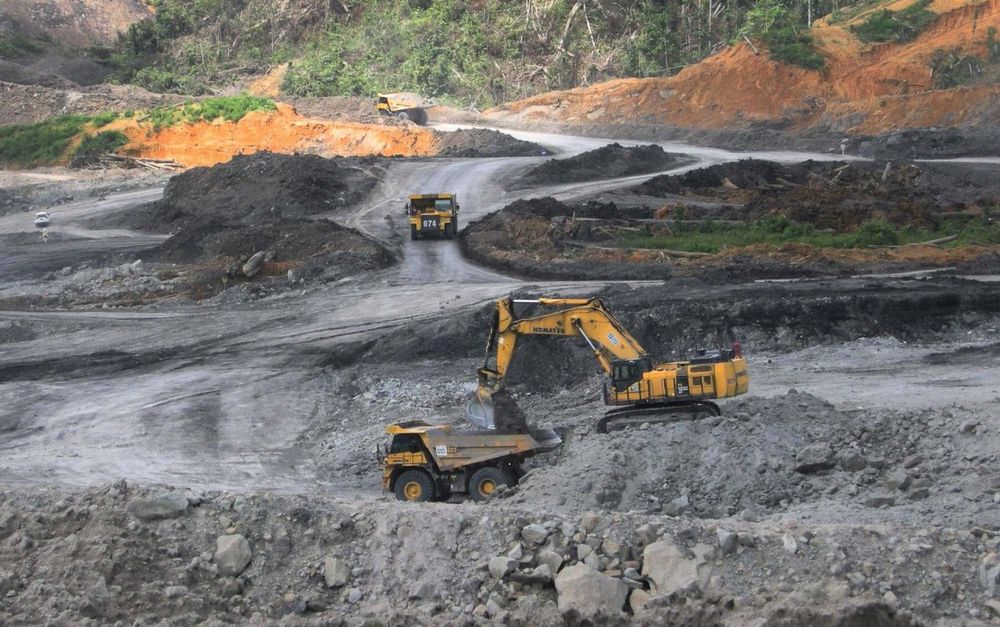
Indonesian mining industry associations are calling on the Energy and Mineral Resources Ministry to adhere to the established November timeline for approving 2027 work and budget plans, warning that any delays could disrupt operations and threaten state revenue from a sector that contributed $33 billion in coal export revenue in 2023.
The Rencana Kerja dan Anggaran Biaya (RKAB) is a mandatory annual work plan and budget submission required under Indonesia's 2009 Mining Law. Mining permit holders must obtain approval before commencing operations each year, making timely processing critical for continuous production.
Industry concerns over operational planning
Singgih Widagdo, chairman of the Indonesian Mining and Energy Forum (IMEF), stressed on Tuesday that delays would hinder both mining companies and mining services firms in their operational planning. The sector directly employs approximately 250,000 workers and supports an estimated 1.5 million indirect jobs across logistics, equipment supply, and related industries.
"Delays clearly hinder a company's ability to make firm sales commitments. If the Energy and Mineral Resources Ministry intends to devise production cutback scenarios to prevent global market oversupply, the necessary analysis should be conducted well before mid-November."
Domestic obligations and state revenue
Companies need the approved quotas to prepare comprehensive sales strategies, including export volumes and domestic market obligations (DMO). Under government policy implemented in 2022, coal miners must allocate 25 percent of their production for domestic use at a maximum price of $70 per tonne. The progressive royalty system, ranging from 3 to 7 percent based on coal prices, makes smooth operations essential for state revenue collection.
Indonesia produced approximately 775 million tonnes of coal in 2023, ranking as the world's sixth-largest producer. More significantly, the country dominates global thermal coal exports, shipping approximately 491 million tonnes in 2023. China and India together account for roughly 60 percent of these exports, with China importing around 235 million tonnes and India approximately 60 million tonnes of Indonesian coal that year.
Timeline and approval process
Singgih explained that companies have from early October to November 15 to submit their RKAB applications. With proper preparation, the approval process should ideally conclude before the new year begins, allowing miners to finalize production plans and align coal grades with long-term contracts.
The urgency stems from recent difficulties. In 2025, Indonesia experienced significant RKAB approval delays, with some permits not issued until February. The delays caused disruptions in first-quarter operations and forced temporary production halts at multiple mines. More recently, in July 2026, many miners had exhausted their production quotas mid-year, rendering them unable to operate and forcing applications for RKAB revisions.
"Companies also needed to prepare sales plans, including setting export volumes and meeting domestic market obligations, as well as production plans to determine coal grades for aligning with long-term contracts."
Economic significance
The coal mining sector contributed approximately 3.2 percent to Indonesia's gross domestic product in 2023, underscoring the economic significance of maintaining uninterrupted operations. Industry groups argue that any delay in the 2027 approval process could jeopardize not only individual company performance but also Indonesia's reliability as a supplier to key Asian markets that depend heavily on its thermal coal exports.