Indonesia's August trade surplus widens on manufacturing export surge
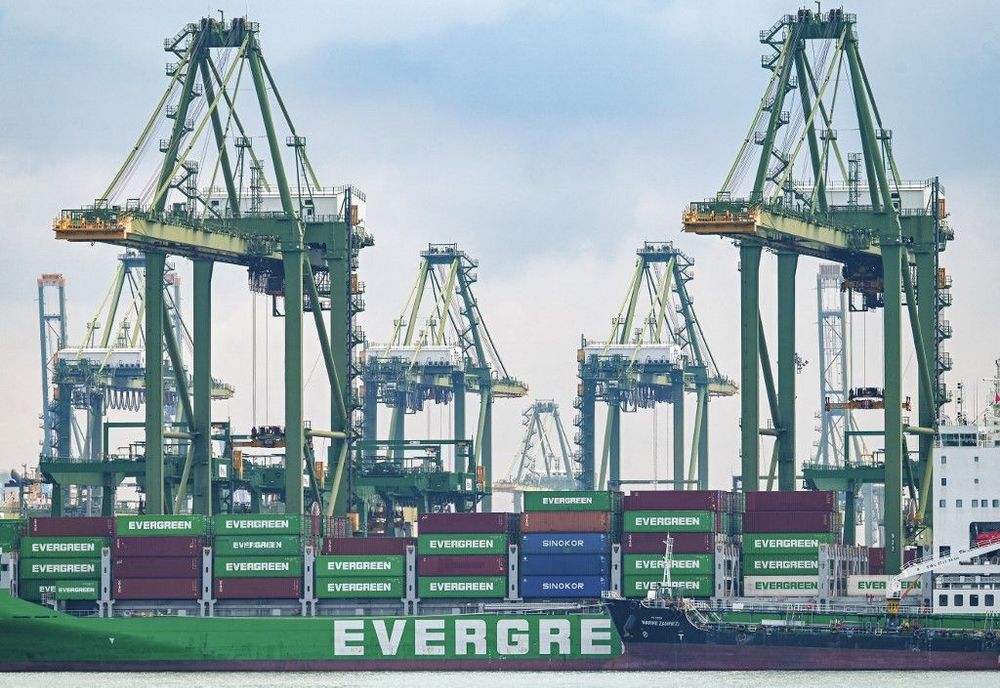
Indonesia's trade surplus expanded to $3.55 billion in August 2026, powered by robust exports of manufactured goods and key commodities including palm oil, coal, and nickel products, according to data released by Statistics Indonesia (BPS) on Thursday.
The August surplus represents a continuation of positive trade momentum following deficits in May and June, when surging oil and gas import costs temporarily disrupted the country's trade balance. The $1.6 billion deficit recorded in May was attributed to a dramatic spike in energy prices stemming from conflict in the Middle East.
Strong export performance
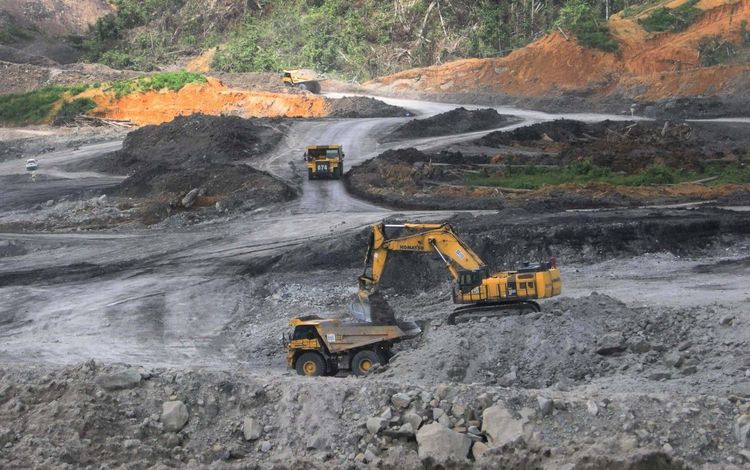
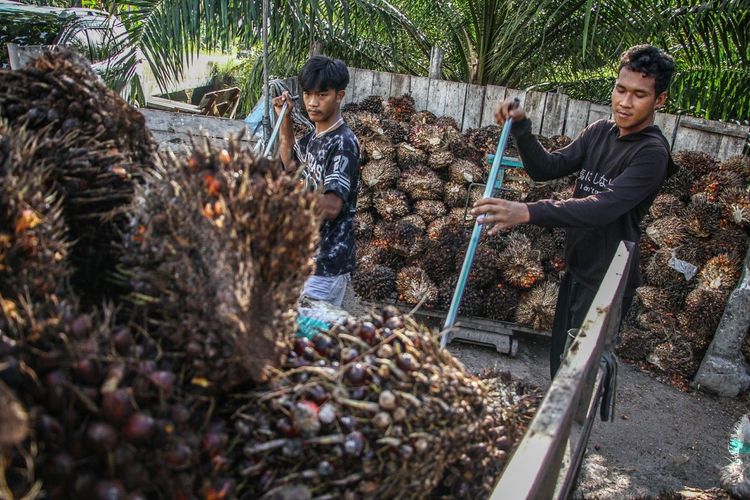
Total exports reached $26.61 billion in August, marking a 6.72 percent increase compared to the same month in 2025, BPS official Ateng Hartono told reporters. The trade performance underscores Indonesia's position as a major global supplier of natural resources, with the country accounting for approximately 58-60 percent of worldwide palm oil production and serving as the world's largest thermal coal exporter.
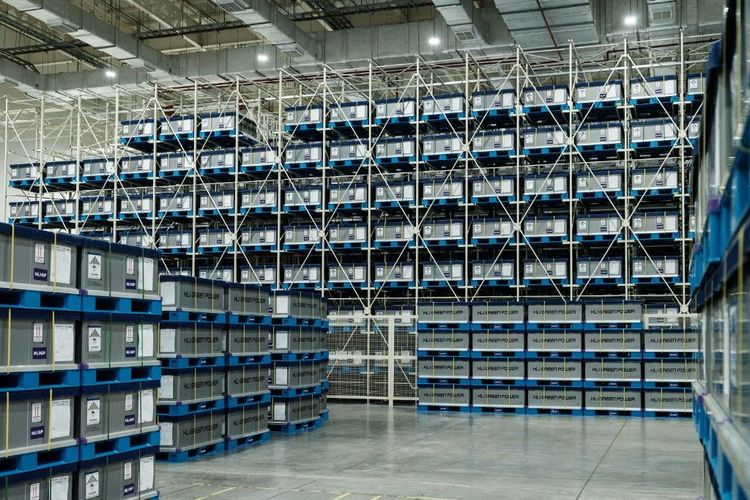
Manufacturing exports delivered particularly strong results, climbing 12.48 percent during the month. The sector, which contributes roughly 18-20 percent of Indonesia's gross domestic product and employs around 15-18 percent of the workforce, has become increasingly central to the government's economic diversification strategy aimed at reducing dependence on raw commodity exports.
Sector highlights
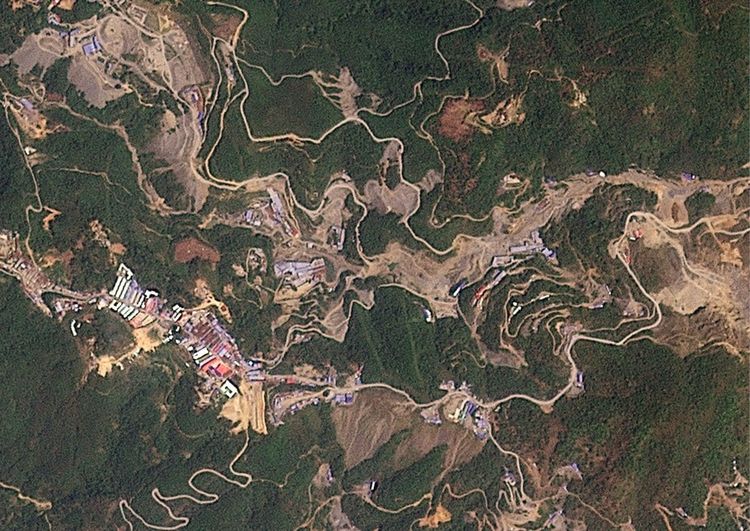
Nine of Indonesia's top ten export categories posted gains in August. Nickel and its derivatives led the surge with a remarkable 50.12 percent increase, adding $2.87 billion in export value. The performance reflects the impact of Indonesia's 2020 nickel ore export ban, a policy designed to encourage domestic processing and value-added manufacturing rather than shipments of unprocessed ore.
Crude palm oil and coal, two pillars of Indonesia's export economy, also contributed significantly to the positive trade figures. Iron and steel exports similarly recorded growth during the period.
However, not all sectors shared in the expansion. Precious metals and jewelry exports fell 42.82 percent, the only decline among major export categories. Agricultural, forestry, and fishery shipments dropped 11.64 percent, primarily due to reduced coffee exports amid volatility in global coffee markets. Mining sector exports declined 19.47 percent as copper ore shipments weakened, affecting a commodity sector that includes major operations in Papua province.
Economic implications
The trade balance serves as a key indicator for Bank Indonesia's monetary policy decisions, with persistent deficits potentially exerting pressure on the rupiah and the country's foreign exchange reserves. The August surplus provides relief after the disruptions earlier in the year and aligns with broader government objectives to strengthen manufactured exports alongside traditional commodity shipments.
Indonesia had maintained an uninterrupted streak of monthly trade surpluses from early 2020 until May 2026, when external energy price shocks temporarily pushed the balance into deficit territory. The data is compiled and published by Statistics Indonesia, the government's official statistical agency established in 1960, which provides trade figures widely utilized by policymakers and economists for economic analysis and planning.