Indonesia mandates B35 biodiesel as palm oil prices decline, while chip shortage hampers auto recovery
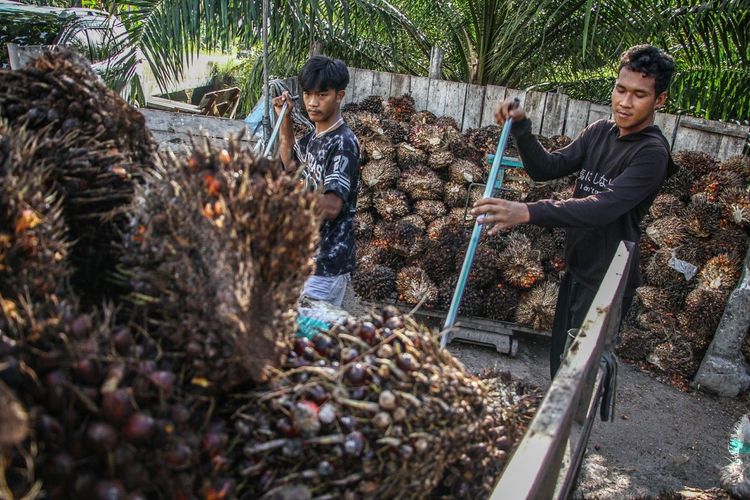
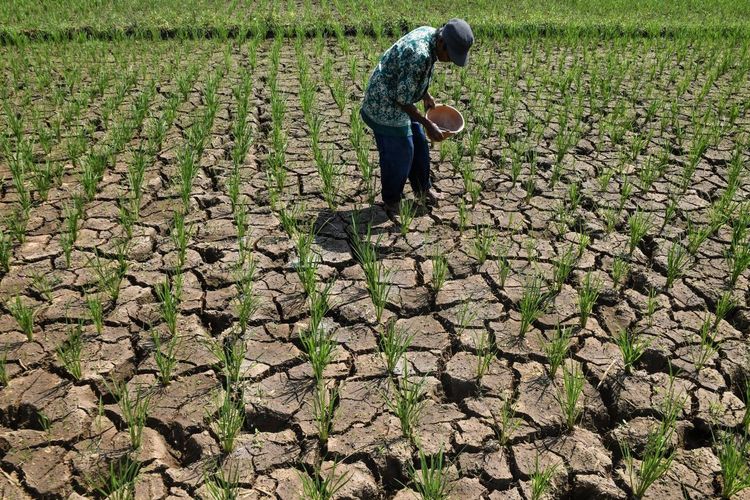
The Indonesian government has adopted a mandatory B35 biodiesel program as crude palm oil prices experience a downturn, marking the latest step in the country's progressive biofuel mandate strategy. The move comes as the world's largest palm oil producer, with output exceeding 48 million tons in 2021, seeks to absorb domestic supply and support the crucial agricultural sector.
The B35 mandate represents an incremental advance from the B30 program introduced in January 2020, requiring a 35 percent blend of palm oil-based biodiesel in all diesel fuel sold domestically. The government plans to reach B40 by the end of 2022 as part of its renewable energy targets. Indonesia's biodiesel program is financed through levies on palm oil exports, with the CPO Fund collecting these fees to subsidize the price differential between biodiesel and conventional fossil diesel.
The timing of the B35 implementation coincides with pressure on crude palm oil markets, as Indonesia's 2021 production of 46.888 million tons marked the fourth consecutive year of stagnant growth due to aging plantations and delayed replanting efforts. With 37 percent of the country's palm oil consumed domestically, the expanded biodiesel mandate provides a critical outlet for absorbing local production.
Semiconductor shortage constrains automotive recovery
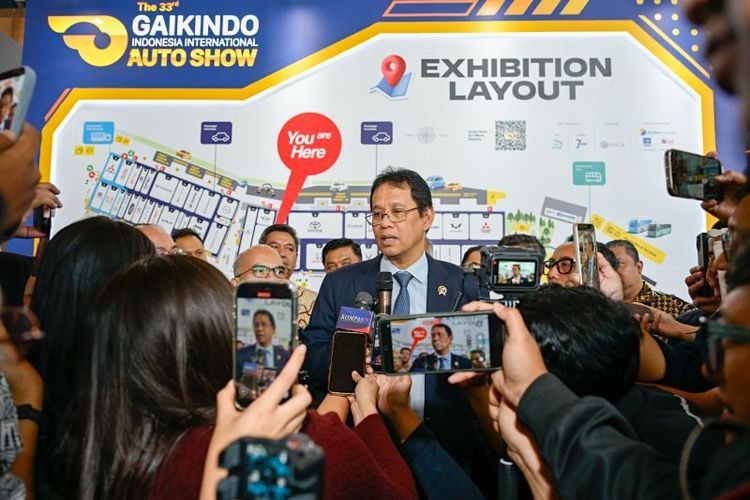
Meanwhile, Indonesia's automotive sector faces continued headwinds from the global chip shortage, which has stunted what had been a robust recovery from pandemic-induced sales declines. The country recorded domestic car sales of 887,202 units in 2021, representing a 66.63 percent increase compared to 2020's 532,407 units, yet the momentum has been curtailed by semiconductor supply constraints.
Indonesian automotive manufacturers encountered particularly acute difficulties starting in October 2021, with industry executives describing October, November, and December as presenting enormous challenges for obtaining semiconductors. The shortage is part of a global crisis that resulted in approximately 2 million vehicles being removed from production schedules worldwide in 2022, with North America experiencing 221,000 vehicles cut from schedules in the first six weeks alone.
Telecom operator profit declines as tower sale income dries up
XL Axiata reported a profit decline in the third quarter as income from tower sales diminished, reflecting the company's strategic pattern of periodically divesting telecommunications infrastructure to reduce debt and fund network improvements. The telecom operator had completed a significant tower sale in February 2020, when it divested 2,782 towers to two local companies—1,728 to Protelindo and 1,054 to Centratama—for Rp 4.05 trillion, with proceeds directed toward expanding 4G coverage and enhancing mobile data network quality.
Tower sales have become a recurring element of XL Axiata's financial strategy, with the company having previously sold 2,500 towers to Protelindo for Rp 3.5 trillion in 2016 and 3,500 towers to Solusi Tunas Pratama for Rp 5.6 trillion in 2014. The absence of comparable transactions in the third quarter accounts for the year-over-year profit decline, as the company no longer benefits from the extraordinary income generated by these asset disposals.
The three developments underscore the diverse challenges and policy responses shaping Indonesia's economic landscape, from agricultural commodity market pressures to global supply chain disruptions affecting manufacturing sectors and telecommunications companies adjusting their business models in a competitive market environment.