Canada imposes retaliatory tariffs as US trade negotiations collapse
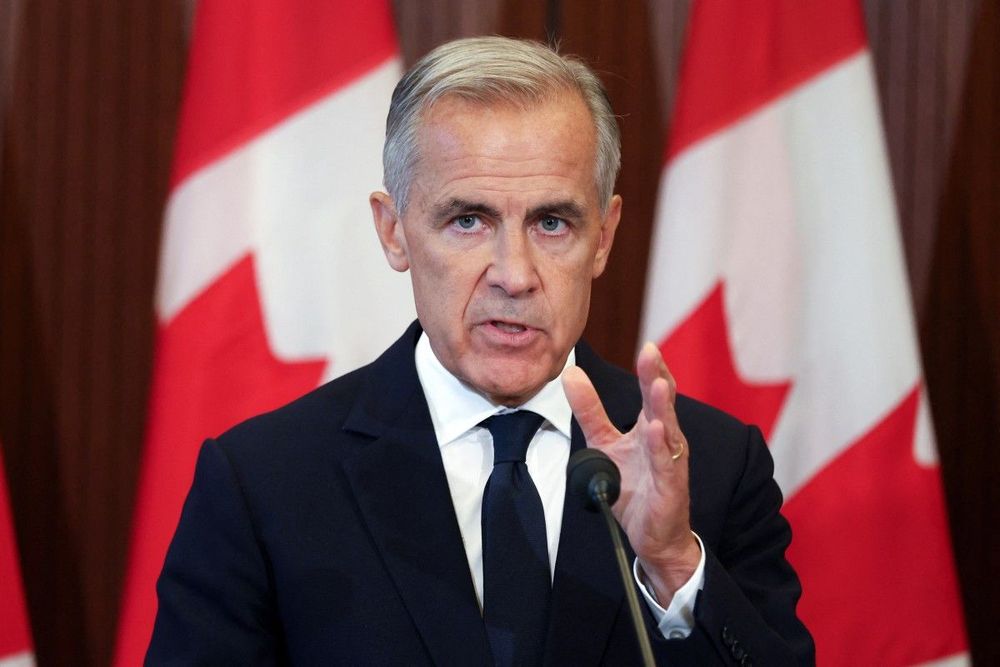
Canadian Prime Minister Mark Carney announced retaliatory tariffs on the United States on Saturday, hours after walking away from trade negotiations in Washington that he characterized as offering unacceptable terms to Canada.
The breakdown in talks triggered the implementation of new 50-percent US tariffs affecting approximately $20 billion worth of Canadian goods, representing 5.5 percent of Canada's exports to its southern neighbor. The impacted products range from hockey sticks to cement, affecting a trade relationship that exceeded $900 billion annually in 2025, making Canada the United States' second-largest trading partner after China.
"You're at war when you get attacked. We got attacked," Carney said during a press conference in Ottawa. The former Bank of Canada governor, who also served as Governor of the Bank of England from 2013 to 2020 before becoming prime minister in early 2026, announced that Canadian countermeasures would specifically target the US steel and dairy industries, taking effect September 8.
US President Donald Trump had expressed optimism earlier in the week, saying Washington "should be able to have a deal with Canada" and citing his "good relationship" with Carney. The White House had initially set the tariffs to take effect Wednesday before issuing a three-day reprieve, citing progress in negotiations.
Deal breaker provisions
According to Carney, negotiations foundered when US negotiators introduced last-minute conditions that Canada found economically unviable. "In recent days, the United States proposed new terms that were uneconomic, unfair and undermined the net benefits for Canada, and called into question the reliability of any deal," Carney stated. "We cannot accept what they've offered, and we will not give what they've asked."
Among the breaking points were US demands that would restrict Canada's ability to negotiate trade deals with other countries. Carney also cited what he termed "threats" to the French language and Quebec culture, issues of particular sensitivity given that Quebec represents approximately 20 percent of Canada's GDP and maintains French as its official language under provincial and federal protections.
US Trade Representative Jamieson Greer told Fox News that Washington was "moving forward with measures that respond to Canadian retaliation," adding that no new talks were currently scheduled. A senior US official characterized the week's discussions as candid but not acrimonious.
Broader implications
The trade conflict extends beyond immediate tariffs to the future of the United States-Mexico-Canada Agreement itself. The USMCA, which replaced NAFTA when it was implemented in July 2020, includes a provision requiring review every six years, with the agreement set to terminate in 16 years unless renewed. Trump has declined to renew the agreement in its current form, leaving the countries to negotiate revisions.
The White House had alleged "discriminatory treatment" by Canada against US alcohol, automobile and dairy products when introducing the duties. The dairy sector has been a particularly contentious issue for decades, as Canada protects its domestic industry through supply management, a system of production quotas, import controls and price supports that US trade officials have long challenged.
The automotive sector faces particularly disruptive impacts given the highly integrated production chains across the border, where vehicles and parts often cross multiple times during manufacturing. The sector supports approximately 1.5 million US jobs directly and indirectly. Canada is also the largest foreign supplier of crude oil to the United States, providing approximately 60 percent of total US crude oil imports and 4.3 million barrels per day as of 2024.
This marks the second major tariff confrontation between the countries in recent years. Canada previously implemented tariffs on $12.8 billion worth of US steel and aluminum products in 2018 in response to Section 232 tariffs imposed by the Trump administration, which were suspended in 2019 but have been reimposed in various forms since then.
Political fallout
The escalation drew criticism from Democratic lawmakers and governors from border states. "Needlessly picking fights with our allies and raising prices here at home. That's Trump's economic policy in a nutshell," New York Governor Kathy Hochul posted on social media.
Ontario Premier Doug Ford, whose province accounts for approximately 38 percent of Canada's GDP and sends over 80 percent of its exports to the United States, spoke bluntly about the situation. "President Trump is the type of person who would steal your lunch money," Ford told reporters, adding that Trump "can't be trusted, simple as that." Ford emphasized the need for Canadian unity in response to the crisis.
Carney has repeatedly stated that relations with the United States have been permanently altered. "We've been under no illusions. We recognized from the start that America has changed," he said Saturday. "We recognize that sometimes, its signature was written in pencil." The prime minister stressed that Canada must reduce its reliance on the United States, which currently accounts for roughly 70 percent of Canadian exports.
The Business Roundtable, representing 200 chief executives of leading US corporations, warned the new tariffs "risk raising costs for American businesses and families" and urged both governments to resume negotiations. While the USMCA includes dispute settlement mechanisms in Chapter 31 providing for panel reviews and binding arbitration, neither country has indicated plans to pursue that avenue.