Domestic needs to guide allocation review
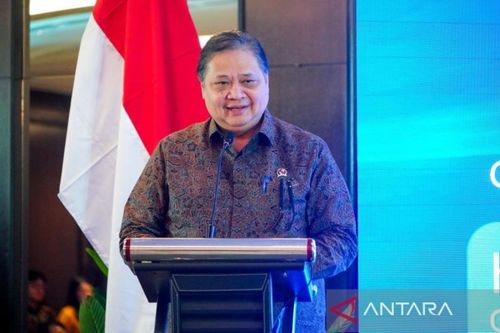
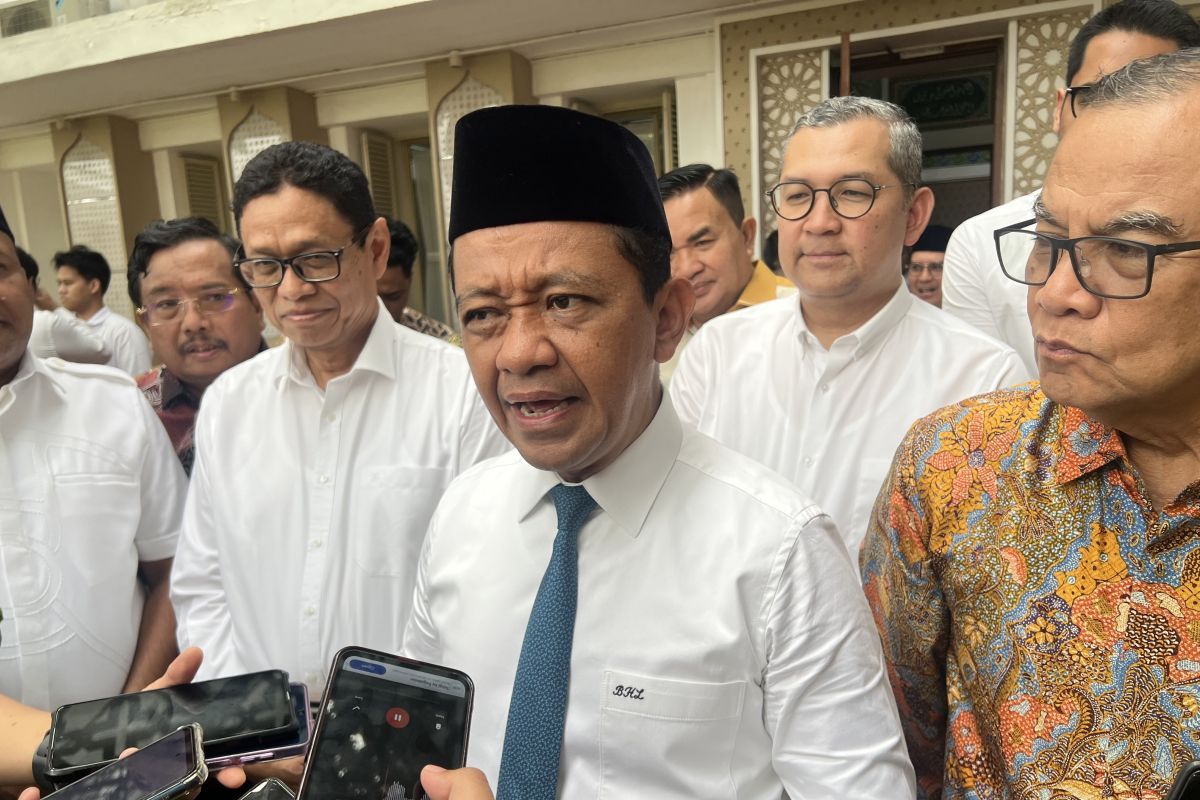
Bahlil, the coordinating minister for downstreaming and energy transition who also serves as energy and mineral resources minister, said the review would examine the balance between exports and domestic use. About 30 percent of Indonesia's natural gas production currently goes abroad, while 70 percent serves domestic needs.
"Moving forward, I intend to conduct a reassessment to optimize gas for domestic consumption, including its use as a raw material," he said.
Asked about potential changes to exports to neighboring countries, Bahlil said Indonesia would consider all relevant factors and maintain mutually respectful relations with its partners.
His remarks followed comments on October 21, a day before the JNE#6 and Maha-South Hub inauguration. The Jakarta Post reported that Bahlil said Indonesia was considering allowing gas export contracts with neighboring countries to expire without renewal. Describing Indonesia as being in "survival mode," he said the country's own requirements had to come first.
Methanol imports and regional development
The export review is intended to support the proposed East Kalimantan petrochemical hub, plans for which were highlighted at the inauguration of the JNE#6 gas project and production facilities at the Maha-South Hub field. Bahlil said industrial processing capacity needed to develop alongside new upstream gas discoveries so that industry would have a dependable supply of raw material.
The hub would turn natural gas into ammonia, "glo ammonia" and methanol, Bahlil said on October 22, according to Kompas.id. He put Indonesia's annual methanol imports at around 2.7 million tons and said the development was intended to replace imports.
The choice of East Kalimantan rather than Jakarta also reflects an effort to spread economic growth more evenly among Indonesia's regions. Bahlil said regional downstream industries would create local jobs and added value, increase non-tax state revenue for the regions and give them greater control over their development.
Gas projects target November supply increase
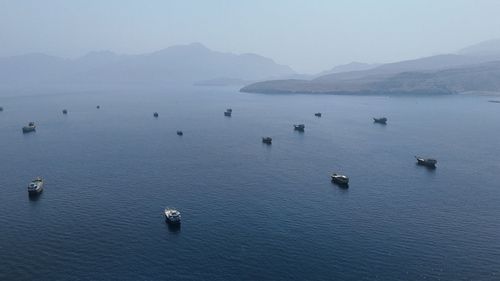
The JNE#6 and Maha gas projects are operated by Searah, a joint venture between Italy's Eni and Malaysia's Petronas, according to Kompas.id and The Jakarta Post. They use an offshore floating production unit in the Kutai Basin in the Makassar Strait.
Bahlil said on October 22 that JNE#6 and the Maha-South Hub field were expected to add about 290 million standard cubic feet per day, or MMSCFD, to East Kalimantan's offshore supply. Regional output, currently about 450 MMSCFD, is targeted to reach roughly 750 MMSCFD starting November 1, 2026.
Work to sidetrack the JNE#6 well had produced significant results since October 9, Bahlil said, according to The Jakarta Post. Output rose from about 10 MMSCFD to 56 MMSCFD, an increase of more than fivefold, while about 100 billion cubic feet was added to the initial Gas-in-Place reserves.
The Maha Field production facilities in Kutai, East Kalimantan, represent an investment of approximately US$891 million, Bahlil said on October 22. They are expected to create more than 700 jobs, with operations targeted to start by the end of October 2026.
Bahlil described the East Kalimantan production as a step toward a national gas output target of 3,000 MMSCFD by 2028-2029. He expects that supply to encourage gas processing through the development of a petrochemical industry in the province.