Indonesia readies contingency measures against EU and UK steel tariffs
Indonesia's Trade Ministry is formulating contingency measures to address the impact of 50 percent steel tariffs recently imposed by the European Union and United Kingdom on Indonesian steel exports, as shifting global trade policies threaten a key sector of the national economy.
The new safeguard measures, which took effect on July 1, 2026, represent a coordinated policy shift by both trading partners. The EU reduced its total duty-free import quotas to 18.3 million tonnes annually, a 47 percent cut compared to the previous system. The UK implemented even stricter measures, slashing tariff-free quotas by 60 percent and doubling the out-of-quota duty from 25 percent to 50 percent across 20 product categories.
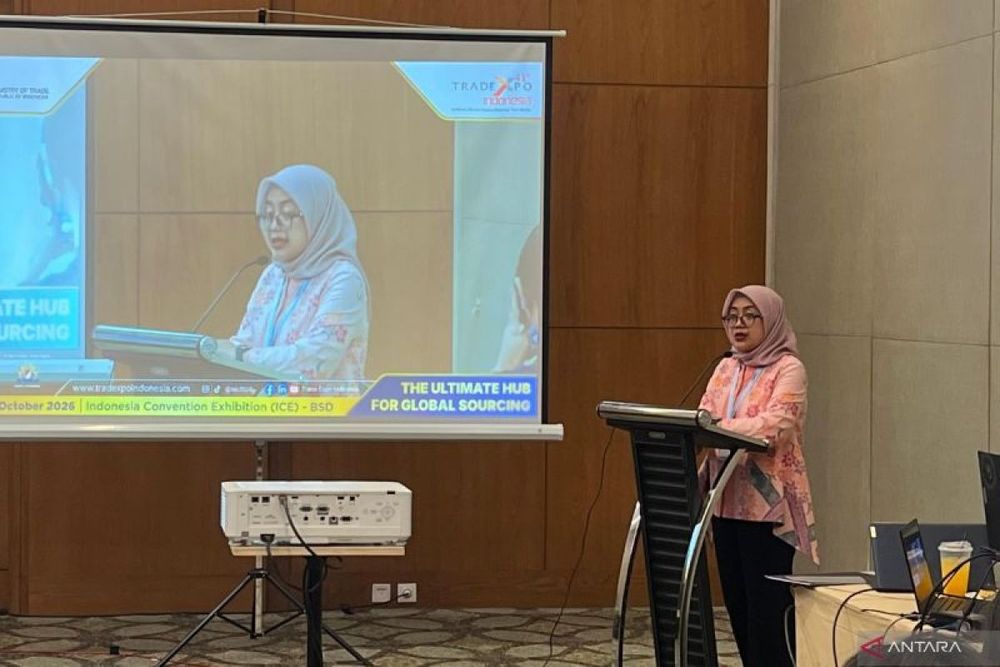
Dina Kurniasari, Director of World Trade Organization Negotiations at Indonesia's Trade Ministry, said the tariff changes have direct implications for market access and the competitiveness of Indonesian steel products. She noted that trading partners have increasingly adopted trade remedy measures to protect domestic industries, address production overcapacity, and meet climate commitments.
Both the EU and UK justify the new tariffs by citing global steel overcapacity, currently estimated at 602 million tonnes and forecast to reach 721 million tonnes by 2027. While the WTO framework allows member states to modify their bound tariffs, Kurniasari emphasized that such adjustments must comply with multilateral trade rules and respect the rights of trading partners.
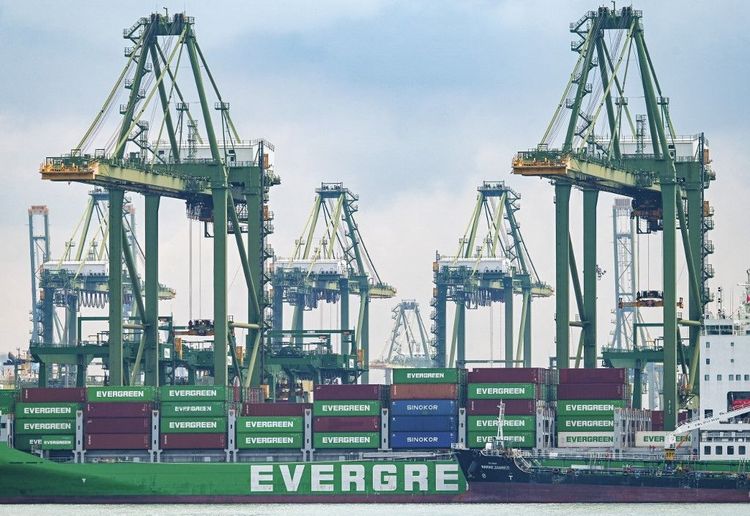
The timing of these measures is particularly challenging for Indonesia, which saw its steel exports to the EU surge 44.2 percent year-on-year in January-July 2026, reaching 1.16 million tonnes compared to 806,570 tonnes in the same period of 2025. EU imports of iron and steel from Indonesia totaled 2.117 billion euros in 2025, representing an 11.3 percent share of total EU imports from Indonesia and marking a 138.4 percent increase from the previous year.
Multiple challenges converge
An analysis by the ministry's Trade Policy Agency identified three main risks facing Indonesia's steel industry. The most immediate concern is reduced price competitiveness for Indonesian steel products in EU and UK markets as tariffs drive up prices. Market access could also be constrained by strict import quotas and increasingly stringent climate policies.
The EU's Carbon Border Adjustment Mechanism, which began full implementation on January 1, 2026, adds another layer of complexity. The mechanism requires importers to purchase CBAM certificates reflecting embedded emissions in steel and other carbon-intensive products. This poses a particular challenge for Indonesia, where approximately 80 percent of steel is produced using blast furnace-basic oxygen furnace technology, the most carbon-intensive method.
The stakes are substantial for Indonesia's economy. Iron and steel exports totaled 27.97 billion dollars in 2025, ranking third among the country's non-oil and gas export commodities. However, exports have already declined 4.9 percent year-on-year to 17.8 billion dollars in January-August 2026. As the world's 14th-largest crude steel producer and fifth-largest steel exporter, Indonesia operates approximately 25 million tonnes of installed capacity but currently utilizes only 50-52 percent of that capacity.
Industry expansion plans at risk
Ismail Mandry, Vice Chairman of the Indonesian Iron and Steel Industry Association, said the association's 189 member companies have a combined annual production capacity of 18 million tons. National steel imports for the 2024-2025 period are projected to reach approximately 8 million tons annually, with imports totaling 7 million tons as of August.
Looking ahead, Indonesia's total operational and planned crude steel capacity is projected to exceed 45 million tonnes, surpassing the government's 2035 target of 25 million tonnes. Major investments from Chinese, South Korean, and Japanese steel producers underscore the importance of maintaining robust export markets to absorb future capacity.
Kurniasari emphasized that Indonesia remains committed to promoting transparent and non-discriminatory international trade rules through diplomatic channels. At the same time, she said, the ministry is preparing for worst-case scenarios to protect the domestic industry. These pricing and regulatory challenges are increasing uncertainty in global trade, underscoring the need for Indonesian steel producers to adopt risk-mitigation strategies.