Oil prices surge over 2% as attacks intensify on Saudi infrastructure and Gulf shipping
Oil prices surged more than 2 percent on Monday as escalating attacks on energy infrastructure and shipping lanes raised concerns about global supply disruptions. The rally followed new Houthi strikes on Saudi Arabia and Iranian attacks on commercial vessels in critical maritime chokepoints.
Brent crude futures climbed $2.90, or 2.77 percent, to $107.51 per barrel at 23:13 GMT, while WTI futures rose $2.27, or 2.27 percent, to $102.32 per barrel. Prices initially jumped more than 3 percent at market open. Both benchmarks serve as global price references, with Brent used to price approximately two-thirds of internationally traded crude oil supplies.
Attacks on Saudi Arabia and Gulf shipping
The price surge came after Saudi Arabian state media released video footage Sunday showing damage to residential buildings and a mosque from what officials described as a Houthi attack on the southern Jazan province. Yemen's Houthi movement, officially known as Ansar Allah, also claimed responsibility for striking a Saudi military installation in a neighboring province. The group has controlled Yemen's capital Sanaa since 2014.
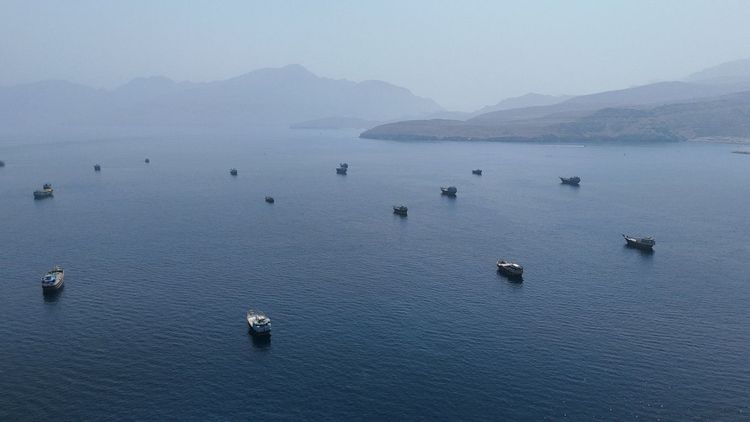
In a separate incident, the British maritime security agency UKMTO reported Sunday that a vessel transiting the Strait of Hormuz was struck by a projectile, triggering a fire and forcing crew evacuation. The UKMTO operates continuous monitoring of merchant vessels in high-risk areas including the Middle East Gulf region and Red Sea. Iranian authorities confirmed one fatality and four crew members wounded aboard an Iranian commercial vessel struck off its coast.
The Strait of Hormuz, a 21-mile-wide waterway at its narrowest point, serves as a critical transit route for approximately 21 million barrels of oil daily, representing about 21 percent of global petroleum consumption.
East-West Pipeline shutdown compounds supply fears
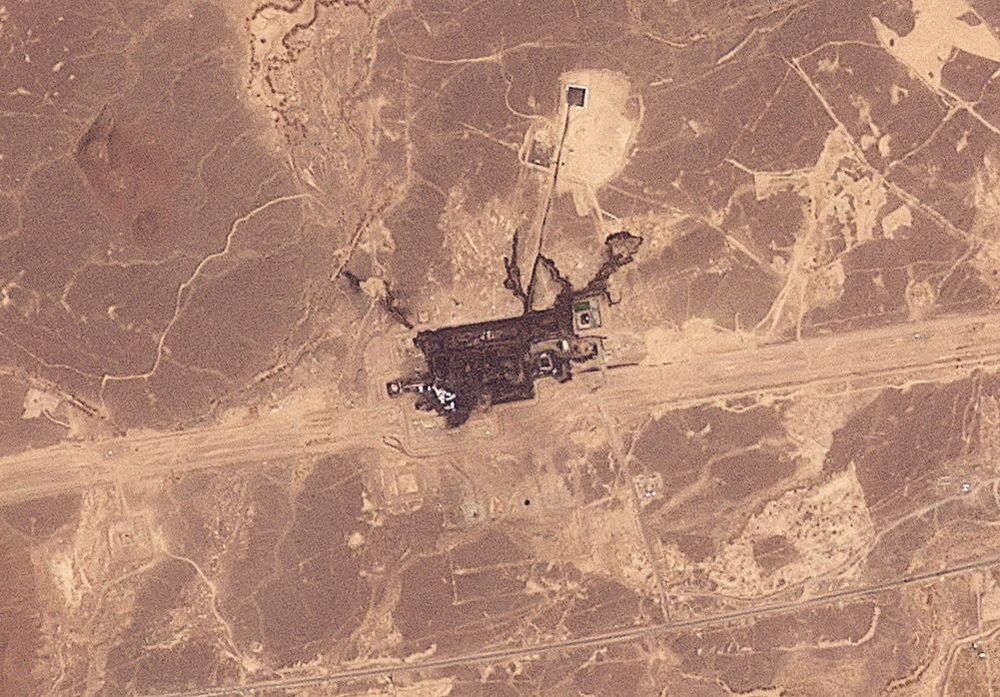
Market concerns had already been elevated following Friday's drone strike that shut down Saudi Arabia's East-West Pipeline. The 1,200-kilometer pipeline, also known as the Petroline, runs from the oil-rich Eastern Province to the Red Sea port of Yanbu with a capacity of approximately 5 million barrels per day. The strike, which originated from Iraq, threatens up to 4 percent of global oil supply. The pipeline has served as a crucial alternative route for Saudi exports, allowing the kingdom to bypass the Strait of Hormuz.
Saudi Arabia, producing approximately 9 million barrels of crude daily and holding the world's second-largest proven reserves at 267 billion barrels, remains a pivotal player in global energy markets.
Strategic chokepoints under threat
Adding to supply concerns, Yemen's Iran-aligned Houthis reportedly reached the strategic island of Perim on Friday, positioning themselves to tighten control over the Bab el-Mandeb Strait. The waterway, approximately 18 miles wide at its narrowest point, connects the Red Sea to the Gulf of Aden and represents another critical maritime chokepoint. Recent months have seen 4-5 percent of global oil supply transit through this strait, making it strategically significant alongside the Strait of Hormuz and Suez Canal.
The pattern of drone strikes on energy infrastructure echoes the September 2019 attacks on Saudi Aramco's Abqaiq and Khurais facilities, which temporarily eliminated about 5 percent of global oil supply and caused prices to spike nearly 20 percent in a single day.
Price trends and market outlook
Oil prices have now climbed 8 percent over the week, breaking above $100 per barrel for the first time since July. The last sustained period above this threshold occurred during the 2022 energy crisis following Russia's invasion of Ukraine, when prices peaked around $120-130 per barrel in March 2022.
IG market analyst Tony Sycamore noted in a Sunday briefing that without operational progress from talks or rapid restoration of the East-West pipeline, crude oil could continue advancing toward the $119.48 high recorded in early March.
Diplomatic efforts stalled
However, diplomatic efforts faced a setback when Omani Foreign Minister Badr Albusaidi announced on X Sunday evening that a scheduled Monday meeting in Oman between Gulf countries and Iran to discuss Strait of Hormuz security had been postponed. Oman has historically served as a neutral mediator in regional conflicts, including facilitating the 2015 Iran nuclear deal negotiations and hosting back-channel talks between Tehran and Western nations.
No peace negotiations have taken place in the conflict, which began six months ago with military action by the United States and Israel, since an interim agreement collapsed in June after several weeks.