Indonesia launches 30 GW solar tender as first phase of ambitious 100 GW renewable energy plan
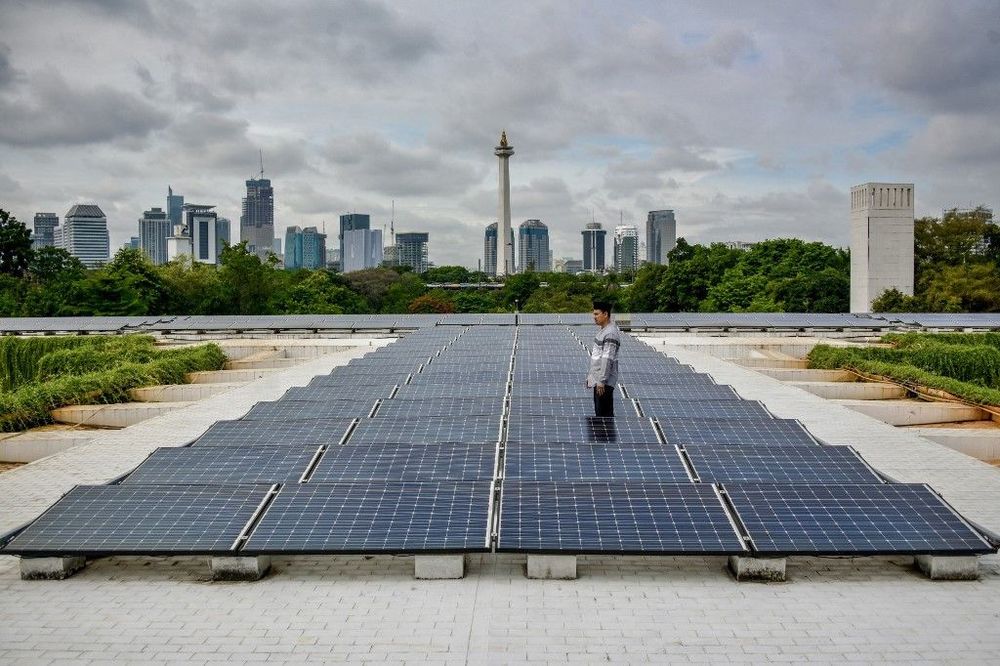
Indonesia is set to launch tenders for 30 gigawatts of solar power projects, initiating President Prabowo Subianto's ambitious plan to build 100 GW of additional solar capacity announced during his Aug. 14 state budget speech and various other events.
Energy and Mineral Resources Minister Bahlil Lahadalia confirmed the timeline during the Indonesia International Geothermal Convention & Exhibition in Jakarta on Wednesday, stating that discussions with PLN president director Darmawan Prasodjo have concluded and the tender process will begin immediately.
The minister emphasized that the direction of electricity system development has been established through PLN's electricity business plan (RUPTL), with the solar capacity target demonstrating the government's commitment to energy transition.
Potential savings and energy independence
President Prabowo has framed the 100 GW solar program as a dual opportunity for fiscal savings and energy self-sufficiency. The initiative could save the state up to Rp 73.9 trillion ($4.14 billion) annually in basic electricity production costs while strengthening energy independence down to the village level.
We have been blessed by God Almighty with sunlight almost all year round. It makes no sense for our islands to keep waiting for ships carrying diesel fuel just to generate electricity.
Indonesia's natural conditions favor solar development, with the archipelago receiving average solar irradiation of 4.5-5.1 kWh/m² per day, providing strong potential across the nation's geography.
Bridging the capacity gap
The ambitious target faces a substantial implementation challenge. Installed solar power capacity stood at approximately 1.6 GW as of April, representing a fraction of predetermined targets and highlighting the scale of expansion required.
The 100 GW addition would represent a transformative change to Indonesia's electricity infrastructure. PLN's total installed power capacity across the country reached approximately 80 GW in 2025, with renewable energy comprising about 13 percent of the electricity mix.
The solar expansion aligns with Indonesia's international climate commitments under its Enhanced Nationally Determined Contribution (NDC), which targets 23 percent renewable energy in the energy mix by 2025 and aims for net-zero emissions by 2060.
Economic and technical considerations
The timing of Indonesia's solar push coincides with favorable global economics for renewable energy. The average cost of solar photovoltaic electricity has declined approximately 89 percent globally since 2010, making solar one of the cheapest sources of new electricity generation.
Implementation of the 100 GW program will require significant land allocation, with utility-scale installations of this magnitude needing approximately 400-500 square kilometers depending on panel efficiency and configuration.
Supply chain dynamics will play a crucial role in the program's execution. China dominates global solar panel manufacturing with over 80 percent market share in 2025, raising questions about supply chain dependencies for Indonesia's massive expansion plan.
The solar initiative directly addresses current costs associated with remote electricity generation. Indonesia's diesel fuel imports for remote areas require substantial government expenditure on subsidies and logistics, with estimates ranging from Rp 150-200 trillion annually, providing economic justification for the transition to distributed solar power.