Import dependence and supply priorities
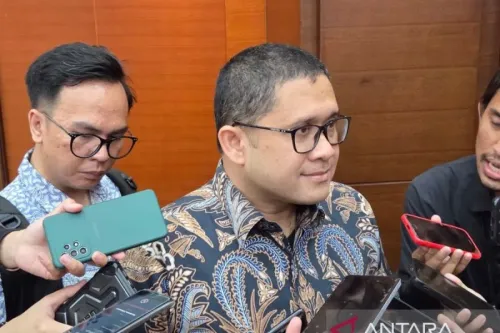
At the National Energy Policy outreach session, Surono warned that excessive dependence on one energy source exposes the system to unnecessary risks. "Diversifying energy sources is crucial to achieving energy security, as it helps reduce the risks associated with dependence on any single source," he said. He said a broader supply base would help cushion price shocks, make better use of domestic resources and improve reliability.
To illustrate Indonesia's supply gaps, he cited projections for 2025 in which imports would meet 38.7 percent of domestic refineries' crude oil needs, 34.2 percent of fuel demand and 80.6 percent of liquefied petroleum gas (LPG) demand.
Surono outlined four priorities: obtaining imports from more sources and through more supply routes, bolstering operational fuel and LPG stocks, optimizing domestic crude oil production, and speeding up the development of national energy buffer reserves, known as CPE.
Reserve targets and government responsibilities
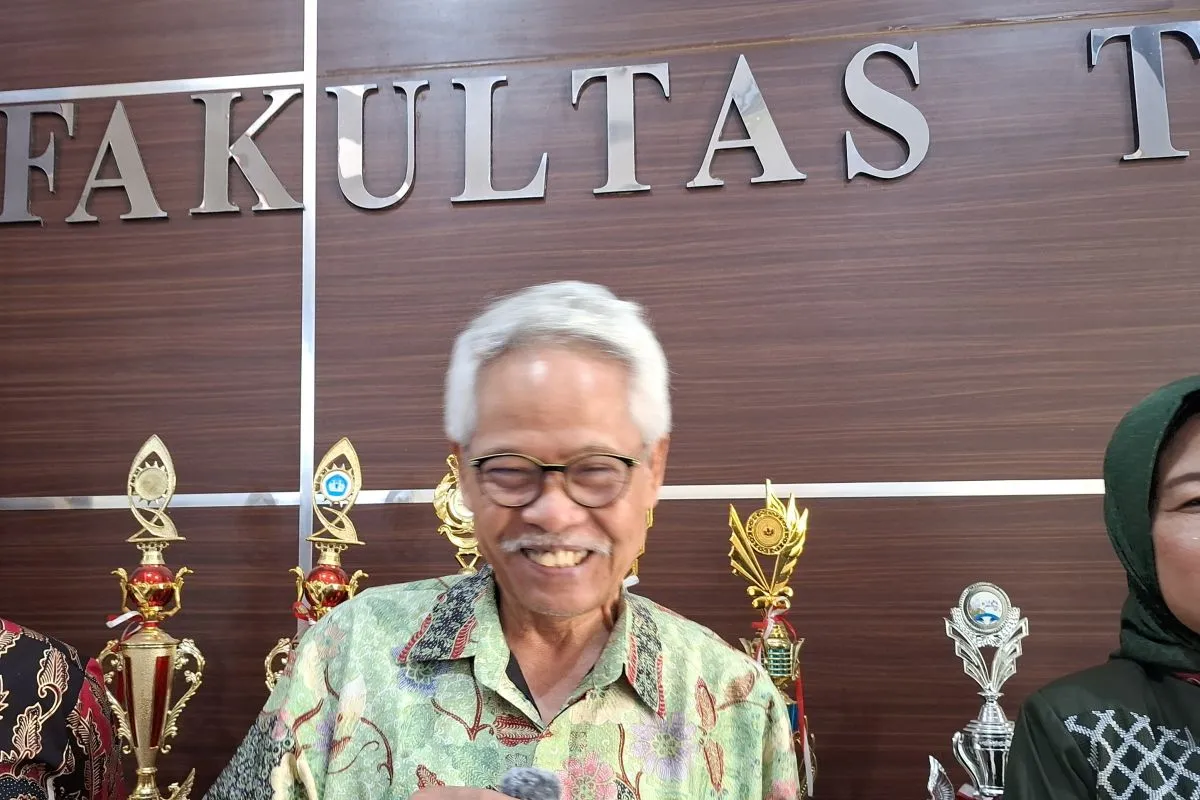
DEN's goal is for CPE to cover 30 days of imports by 2035 and eventually 60 to 90 days. Council member Muhammad Kholid Syeirazi told Tempo that an initial reserve could cover five to ten days, with gradual increases toward the longer-term target.
The legal framework is already in place. Presidential Regulation No. 96 of 2024, enacted on September 2, 2024, remains in force and assigns the government responsibility for providing CPE to safeguard national energy security. It covers decisions on reserve types, quantities, timing and locations, including fuel reserves, as well as procurement, use during an energy crisis or emergency, and subsequent replenishment.
Energy and Mineral Resources Minister Bahlil Lahadalia said on January 28, 2026, that Indonesia's energy reserves then covered only about 21 days. At the inauguration of DEN's daily chair and members, he said the government intended to extend that to three months by building storage facilities. Indonesia still imported approximately 30 million kiloliters of diesel and gasoline, he added.
Bahlil serves as daily chair of the council, which was inaugurated for the 2026-2029 term on January 28. President Prabowo Subianto chairs DEN, with Vice President Gibran Rakabuming Raka as deputy chairperson. Its 15 members comprise seven ministers and eight professionals representing academia, industry, technology, environmental and consumer interests. Surono is among those members.
A gradual shift in the energy mix
Indonesia's long-term decarbonization roadmap calls for new and renewable energy to supply 70-72 percent of its energy mix by 2060. The resources it plans to draw on include solar, hydropower, bioenergy, geothermal, nuclear, tidal and ocean current energy.
DEN's projections show coal accounting for a progressively smaller share of primary energy: 40.7 percent in 2030, 28.9 percent in 2040, 19.1 percent in 2050 and 7.8 percent in 2060.
At the Lampung event, Surono described geothermal energy as a domestic resource that does not need to be imported. He said Indonesia has the world's largest geothermal reserves and potential, totaling around 24 gigawatts. He also stressed that the transition would be gradual because coal still supplies most electricity and coal mining supports many livelihoods.
Biofuel plans require more domestic production
Indonesia currently operates a B35 biodiesel program and plans to move to B50. Following directives from President Prabowo, DEN is also evaluating bioethanol development aimed at an E50 gasoline blend by 2030.
According to Kholid, reaching E50 would require domestic bioethanol production capacity to rise from the current 60,000 kiloliters to 16.5 million kiloliters. Sustaining B50 would require up to 17 million kiloliters of palm oil each year, he said, with that supply to come from plantation intensification and replanting rather than expansion onto more land.