Reducing dependence on single sources
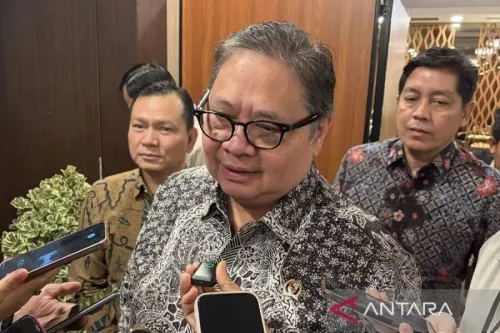
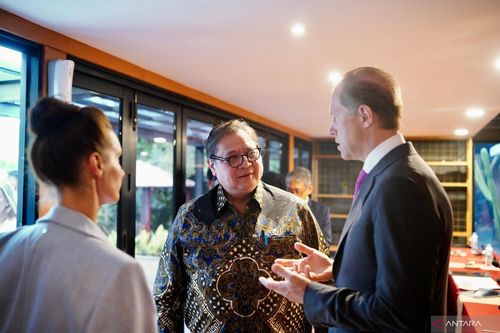
At the outreach session on the National Energy Policy, Surono warned that relying too heavily on one energy source creates risks for the wider system. He said diversification could cushion price shocks, make better use of domestic resources and improve supply reliability.
"Diversifying energy sources is crucial to achieving energy security, as it helps reduce the risks associated with dependence on any single source," he said.
Surono represents the consumer sector alongside one other DEN member. According to Katadata Databoks, President Prabowo Subianto inaugurated the council's 16 members for the 2026–2030 term at the State Palace in Jakarta on January 28, 2026. Eight are government officials and eight represent stakeholders.
Import exposure and supply diversification
Surono cited projections for 2025 that put imports at 38.7 percent of the crude oil needed by domestic refineries, 34.2 percent of domestic fuel demand and 80.6 percent of domestic LPG demand.
He called for action on four fronts: widening the range of import suppliers and routes, bolstering operational fuel and LPG stocks, optimizing domestic crude production and speeding up development of national energy buffer reserves, known as CPE.
A June 29, 2026, strategy note from UOB Kay Hian described efforts by Indonesia's energy ministry, ESDM, to shift crude supplies away from the Strait of Hormuz. Saudi Arabia, which accounts for about 16 percent of supply, was being supplemented by crude from Nigeria, Angola, Gabon and Kazakhstan.
The note also identified Singapore and Malaysia as the dominant refined-fuel suppliers, with shares of 62 percent and 35 percent, respectively. For LPG, Indonesia was diversifying toward the United States and Australia from the United Arab Emirates, which accounted for about 29 percent of imports.
Separately, ANTARA reported in March 2026 that a trade agreement with the United States had secured a $15 billion energy procurement commitment. The allocation was $7 billion for refined fuels, $4.5 billion for crude oil intended for national reserves and $3.5 billion for LPG.
Building reserves beyond operational stocks
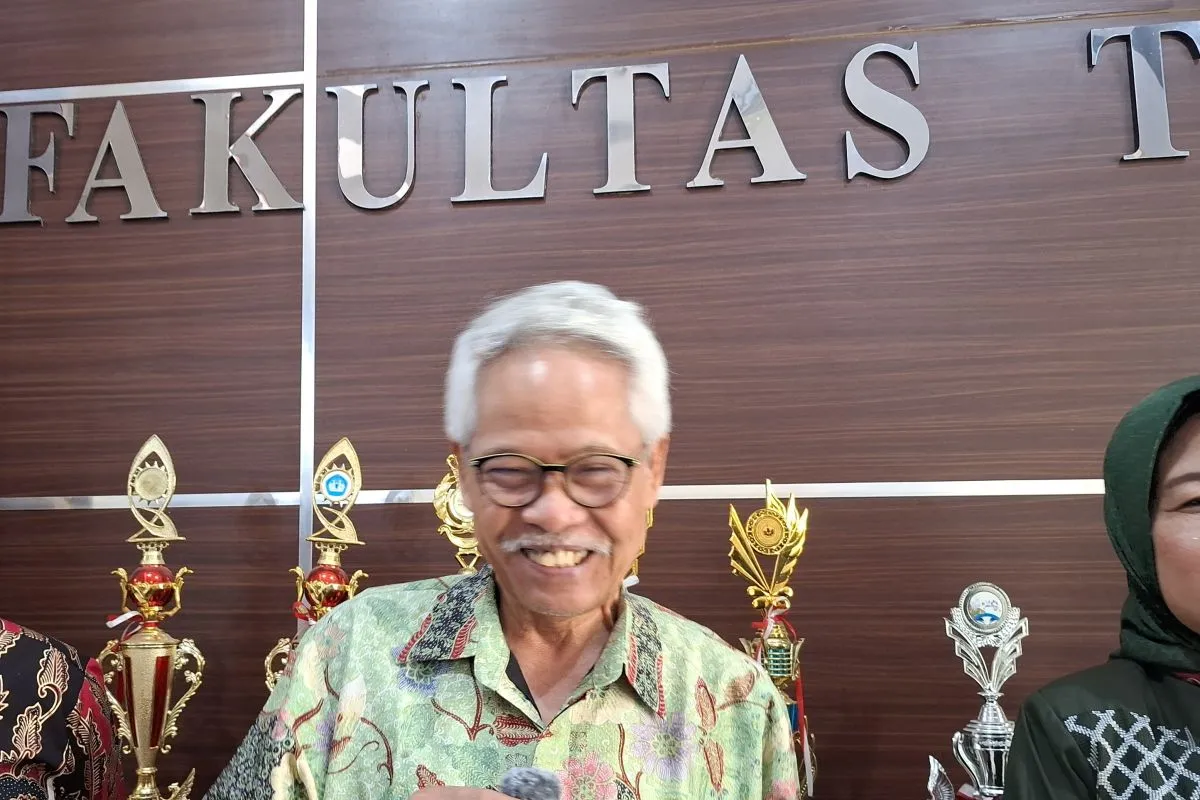
DEN's reserve plans include a CPE target equivalent to 30 days of imports by 2035, with a longer-term goal of 60 to 90 days. DEN stakeholder member Muhammad Kholid Syeirazi said in September 2026 that the reserve might initially cover five to 10 days before being expanded.
Operational fuel stocks were reported at 21 to 25 days in March 2026. ANTARA described that level as secure, supported by an ongoing cycle of domestic production and imports.
A changing energy mix through 2060
Indonesia's long-term decarbonization plans call for new and renewable energy to supply 70 to 72 percent of the energy mix by 2060. The resources identified for that shift include solar, hydropower, bioenergy, geothermal, nuclear, tidal and ocean-current energy.
An ANTARA report published in March 2026 placed the new and renewable energy share at approximately 15.75 percent at that time. The government's target for 2026 was 17 to 21 percent.
DEN projections show coal accounting for progressively less of the primary energy mix: 40.7 percent in 2030, 28.9 percent in 2040, 19.1 percent in 2050 and 7.8 percent in 2060.
Biofuel plans and production requirements
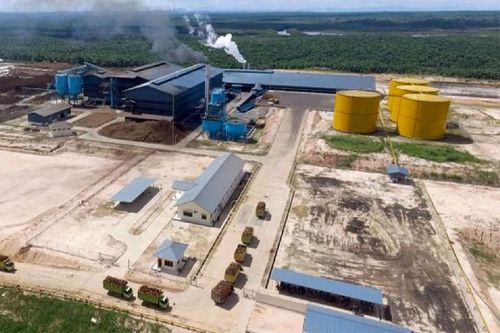
UOB Kay Hian's June note said Indonesia planned to accelerate B50 biodiesel following the B40 rollout. It estimated that B50 would reduce annual diesel consumption by around 4 million kiloliters and cut crude and refined-product imports by about 300,000 barrels per day. The government was also exploring B70 and expanding bioethanol blending to E5–E20 by 2028.
The production requirements are substantial. According to Kholid Syeirazi's September 2026 remarks, reaching Indonesia's E50 bioethanol target would require domestic capacity to rise from 60,000 kiloliters to 16.5 million kiloliters.
He also said maintaining a B50 biodiesel blend would require up to 17 million kiloliters of palm oil each year. That demand was to be met through plantation intensification and replanting, rather than expansion onto more land.