Indonesia records US$4.84 billion in trade with Russia in 2025
Indonesia's trade with Russia climbed to US$4.84 billion in 2025, representing a 21.6 percent increase from US$4.3 billion in 2024, according to government figures announced during high-level discussions on strengthening bilateral economic cooperation.
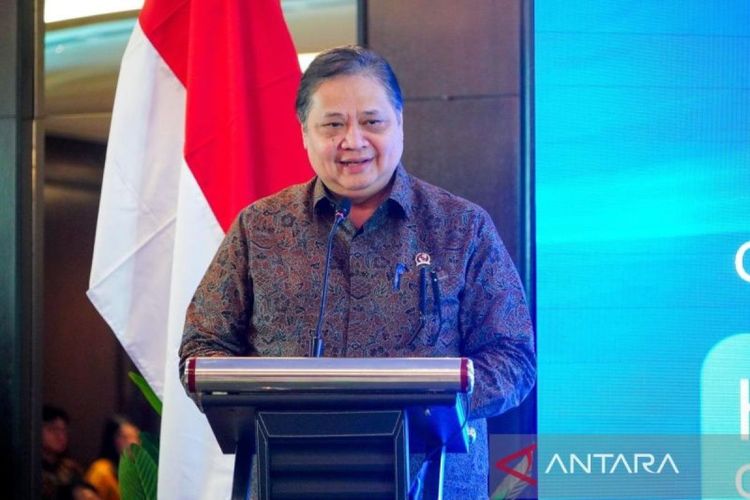
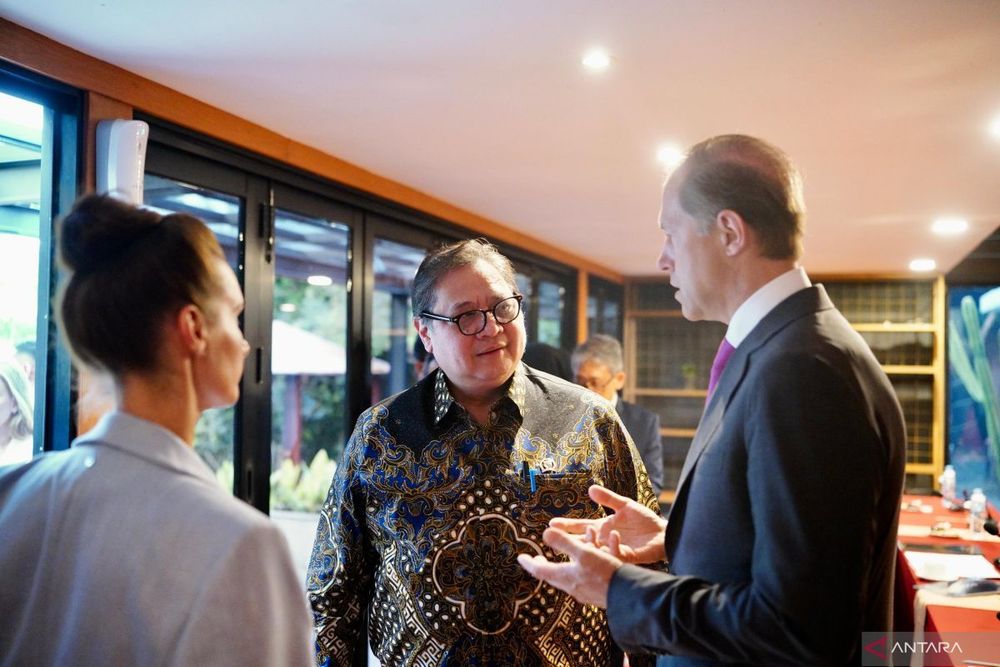
Coordinating Minister for Economic Affairs Airlangga Hartarto disclosed the trade figures during a meeting with Russian First Deputy Prime Minister Denis Manturov in Bogor, West Java, on Friday. The 2025 figure marks significant acceleration from 2024, when trade grew by just 4 percent from the previous year.
Palm oil, coffee, cocoa, agricultural products, and fertilizers constitute the primary commodities exchanged between the two nations. Palm oil exports to Russia reached 792,000 tons valued at US$919 million in 2025, up from 680,000 tons worth US$681 million in 2024. Agricultural trade between the two countries totaled nearly US$1.5 billion in 2024, with palm oil accounting for 49.7 percent of Indonesia's agricultural exports to Russia by value.
Hartarto emphasized the substantial potential for deepening economic cooperation.
Indonesia and Russia possess great potential to strengthen mutually beneficial economic cooperation. We are committed to encouraging increased trade and investment, expanding partnerships between business actors, and ensuring that cooperation opportunities lead to concrete benefits for both countries.
Free trade agreement nears implementation
The two officials discussed progress on the Indonesia-Eurasian Economic Union free trade agreement, with ratification nearly complete. The agreement was signed on December 21, 2025, in St. Petersburg during the EAEU Summit, with Russian President Vladimir Putin among the attending leaders. Russia ratified the agreement on May 27, 2026, when Putin signed the ratification law.
The EAEU comprises five member states—Russia, Belarus, Kazakhstan, Armenia, and Kyrgyzstan—with a combined population of approximately 183.7 million people and a collective GDP of US$3.04 trillion. Negotiations on the FTA began in 2023, culminating in a comprehensive agreement with 15 chapters covering market access for goods and trade facilitation.
Under the agreement, EAEU member states have committed to eliminating or reducing tariffs on 11,882 tariff lines representing 90.5 percent of their total tariff lines, while Indonesia will reduce tariffs on 10,257 domestic tariff lines, or 89.9 percent of its tariff schedule.
Once the FTA enters into force, Indonesian products including palm oil, coffee, cocoa, textiles, and furniture are expected to benefit from expanded market access across the Eurasian Economic Union.
Strategic sector collaboration
Hartarto and Manturov explored collaboration opportunities in strategic sectors, particularly the shipping and aviation industries, as well as initiatives to increase national industrial capacity. Both sides agreed to continue strengthening cooperation in agriculture, technology, industry, and supply chain development.
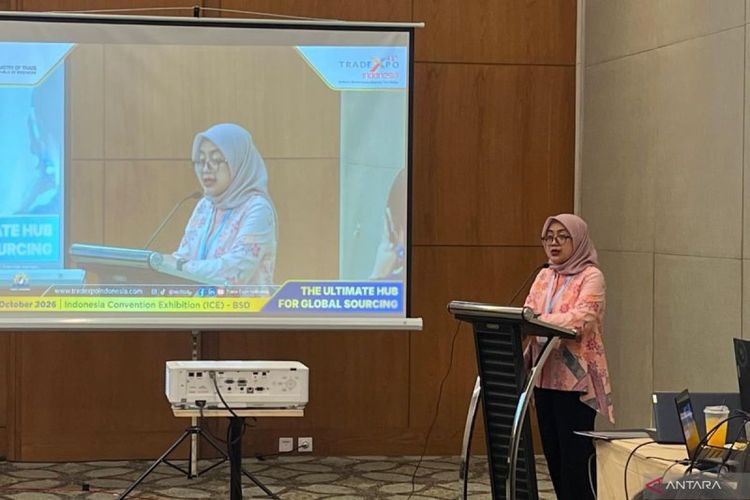
Indonesia welcomed the Russian business delegation's participation at Trade Expo Indonesia 2026, the 41st edition of the country's premier international business-to-business trade exhibition held from October 14-18, 2026, at the Indonesia Convention Exhibition in BSD City, Tangerang.
Manturov emphasized the importance of strengthening business relationships to expand trade cooperation. He noted that the Russian delegation's presence at TEI 2026 continued trade engagement following Indonesia's participation as partner country at the INNOPROM exhibition in Yekaterinburg in July 2026.
Russian companies attended business-to-business meetings with potential Indonesian partners, as well as a business forum with thematic sessions on trade, investment, and industrial cooperation.
The meeting in Bogor underscored both nations' commitment to diversifying economic partnerships and capitalizing on complementary strengths in agriculture, industry, and technology sectors.