Bali Fuel Crisis: Pertamina Restricts Pertalite Purchases
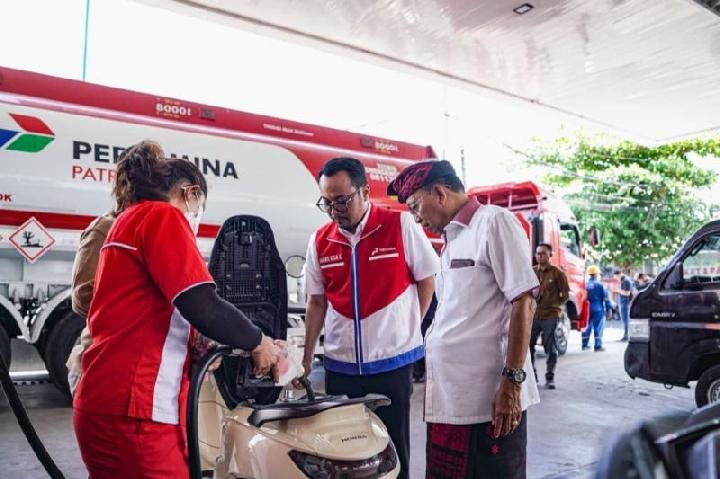
Indonesia's state-owned oil company Pertamina Patra Niaga implemented strict fuel rationing in Bali on Saturday, limiting purchases of subsidized Pertalite gasoline as the tourism-dependent island grapples with severe supply shortages that have persisted for over a week.
Under the new restrictions, four-wheeled vehicles can purchase up to 20 liters of Pertalite, while motorcycles are limited to 3 liters. The measure applies during an odd-even traffic system operating over the weekend, according to Ahad Rahedi, Pertamina's Area Manager of Communication, Relations and CSR.
The rationing policy, outlined in Bali Governor's Circular Number B.21.500.1/16673/V/DISNAKER.ESDM, comes as Bali consumes approximately 2,200 kiloliters of Pertalite daily. Demand has surged following recent price increases for non-subsidized fuel alternatives. Pertalite, priced at 10,000 Indonesian Rupiah per liter, costs significantly less than Pertamax, which sells for 16,250 rupiah per liter.
The fuel crisis has disrupted popular tourist destinations including Uluwatu and Ubud since early October, raising concerns about economic impact on an island heavily reliant on tourism revenue. Hundreds of frustrated motorists protested outside the governor's office on Thursday, October 15, demanding stronger action from authorities to resolve the shortage.
Emergency Response Measures
Beyond fuel rationing, Bali's provincial administration has ordered government offices, schools, and state-owned enterprises to operate remotely from Thursday through Saturday to reduce mobility and ease pressure on distribution networks.
The government also prioritized refueling for emergency vehicles, with ambulances and fire trucks receiving preferential access at public gas stations. Commercial trucks face restrictions allowing refueling only during nighttime hours.
Pertamina deployed 108 fuel tankers supported by 465 crew members, including 100 personnel brought in from other regions, to accelerate distribution across the island. The company operates 66 gas stations around the clock in Denpasar City and Badung Regency, with 100 military personnel assisting nighttime fuel services.
Traffic police provide escorts for fuel tanker convoys to ensure smooth distribution from Bali's two main terminals: the Manggis Fuel Terminal in Karangasem Regency, which operates 72 tanker trucks, and the Sanggaran Fuel Terminal in Denpasar, which maintains 25-30 tanker trucks.
Hopefully, these measures could speed up the recovery of fuel services in Bali by strengthening supplies, extending gas stations' operational hours, and bolstering personnel's readiness
Rahedi stated in a written announcement on Saturday.
Nationwide Supply Challenges
The Bali crisis forms part of broader fuel supply difficulties affecting 10 provinces across Indonesia, according to Abdul Ghoffar, coordinator for the economy sector at the Ombudsman. The affected regions include West Papua, Banten, West Kalimantan, West Sumatra, North Sumatra, West Sulawesi, North Sulawesi, Southeast Sulawasi, Aceh, and West Java.
In West Sumatra, motorists wait two to three hours to refuel. West Papua faces more severe conditions, with overnight queues stretching up to one kilometer from gas stations, Ghoffar reported at an October 14 press conference.
The Ombudsman identified logistical and distribution challenges as the primary causes, including scheduling issues for deliveries and loading complications. In Bali specifically, investigators found delays in shipping and unloading operations at the Pertamina Patra Niaga fuel terminal in Manggis District, Karangasem.
The shortages emerge as Indonesia confronts broader challenges securing fuel imports amid disruptions to global shipping routes linked to tensions in the Middle East. Indonesia's government allocated 315.7 trillion rupiah, approximately 20 billion US dollars, for energy subsidies and compensation in its 2026 state budget, based on oil price assumptions of 82 dollars per barrel.
Similar fuel purchase restrictions were previously implemented in other Indonesian cities earlier in 2026. In May, Palangkaraya limited private cars to 20 liters of Pertalite and motorcycles to 5 liters per day during comparable supply disruptions.
The Ombudsman continues conducting in-depth investigations based on initial findings collected on October 13 to determine systemic issues affecting fuel distribution nationwide.