South Jakarta establishes three Red and White Cooperative outlets
Three Red and White Cooperative outlets have commenced operations in South Jakarta, marking the area's entry into a nationwide economic development initiative launched by President Prabowo Subianto. The outlets opened on Friday in Cipedak, Bintaro, and Petukangan Utara as part of a program that has brought 10,070 cooperatives into operation across Indonesia as of October 16, 2026.
Djaharuddin, head of the South Jakarta Industry, Trade, Cooperatives, and Small and Medium Enterprises Agency, confirmed that the three outlets are functioning in accordance with established standards. The cooperatives are part of a presidential priority program targeting 35,000 operational outlets by year's end, with an ultimate goal of 80,000 cooperatives nationwide.
Coordination with state-owned enterprises
"To support smooth operations and ensure stock availability, we are coordinating with PT Agrinas and other state-owned enterprises to distribute goods to the cooperatives,"
PT Agrinas Pangan Nusantara, a state-owned company formed in May 2025 through the transformation of PT Yodya Karya, is specifically tasked with developing and distributing cooperative infrastructure to support food security and rural economic development.
Services and funding
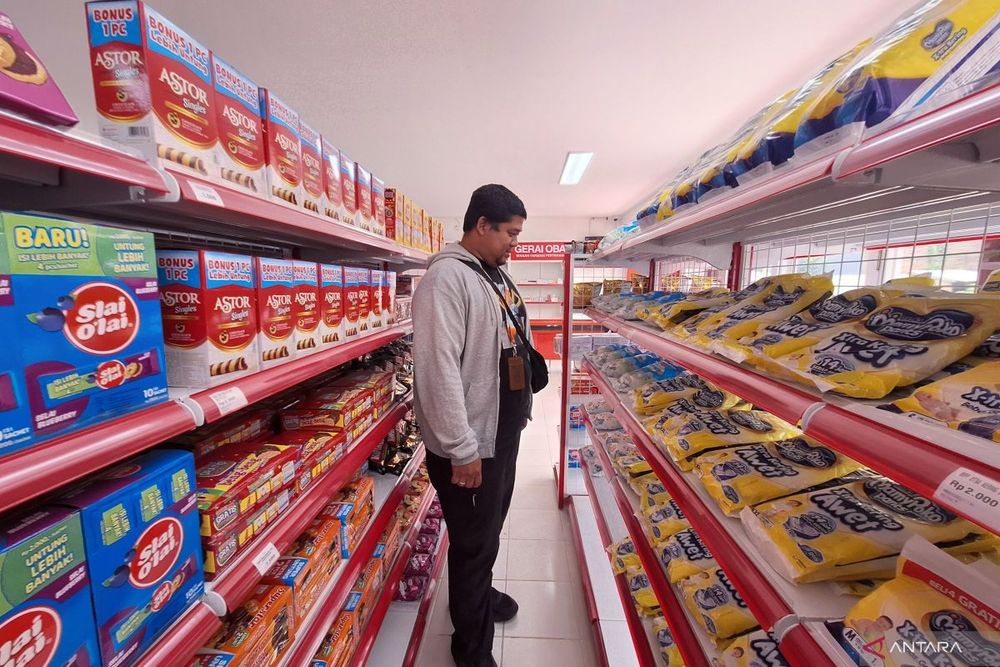
The cooperatives will distribute government-subsidized staple goods including fertilizer, cooking gas, groceries, and rice under the Stabilisasi Pasokan dan Harga Pangan program, while also serving as banking service points for residents. Each cooperative receives approximately Rp 3 billion in funding, with Rp 2.5 billion allocated for physical construction and Rp 500 million for operational costs, drawn from state budgets, regional budgets, village funds, and state-owned enterprise support.
Supporting local MSMEs
Beyond meeting residents' daily needs, the initiative strategically involves micro, small, and medium enterprises located near the outlets. Local MSMEs gain opportunities to market their products through the cooperatives, creating additional economic pathways for small-scale entrepreneurs.
"As supervisors, we hope they will continue to grow and operate across all sub-districts, contributing to the success of the President's priority programs,"
"We also expect the cooperatives' stock to prioritize local MSME products and provide them with dedicated space."With South Jakarta subdivided into 10 districts, the expansion plan envisions establishing a total of 10 cooperative outlets across the administrative city.
Multiple economic functions
The cooperatives are designed to serve multiple economic functions beyond retail distribution. They are intended to act as offtakers for agricultural, fishery, and livestock products from their host communities, supplying them to kitchens operating under the Free Nutritious Meals program, another key Prabowo administration initiative.
Nationwide monitoring and progress
The South Jakarta launch coincides with an intensive eight-day government monitoring operation that began October 15, involving cross-ministerial coordination, local governments, and the Indonesian military to assess stock availability, fleet readiness, and identify operational obstacles across 8,000 cooperatives nationwide.
By September 14, 2026, a total of 24,701 Red and White Village Cooperatives had completed physical construction nationwide, with 10,866 still under construction, according to Ministry of Cooperatives data. The program represents one of President Prabowo Subianto's eight priority programs for 2026, focused on strengthening Indonesia's people's economy and village development.
Going forward, the cooperative development initiative is intended to expand service coverage while giving local MSMEs greater opportunities to contribute to the supply chain for essential goods, creating an integrated economic ecosystem that connects producers, distributors, and consumers at the community level.