From a youth event to a business boycott
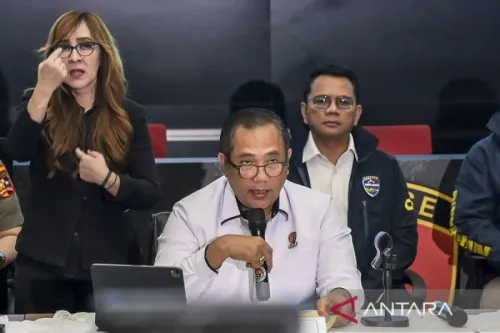
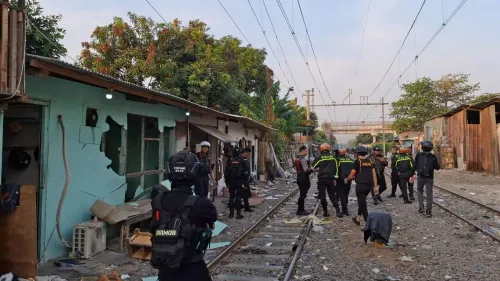
The controversy began with Raffi's attendance at the Indonesian Student Youth Pledge Declaration at Jakarta's Hotel Indonesia Roundabout on October 29, 2026. Metro Jaya Regional Police initiated the event, which took place one day after the annual October 28 Youth Pledge commemoration, according to detikEdu and The Jakarta Post.
It was later established that students had been paid to attend and represent certain campuses, detikEdu reported. The police apologized to the public over the controversy. Raffi also offered a clarification, but criticism extended to his entertainment business.
Ahead of the October 31-November 1 weekend, at least a dozen food vendors announced on Threads that they would pull out of the RANS Carnival stop at Maguwoharjo Stadium in Sleman regency, Yogyakarta, The Jakarta Post reported. Three main musical acts, including ska band Tipe-X, canceled their performances.
The boycott also prompted support for the businesses that withdrew. According to detikEdu, social media users competed to buy up goods from the participating micro, small and medium enterprises as a gesture of solidarity.
The office behind the celebrity
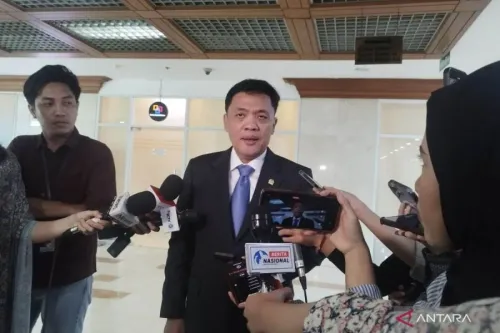
Raffi became known as an actor, presenter and singer before entering government. President Prabowo Subianto swore him in on October 22, 2024, as Special Envoy of the President for the Development of the Young Generation and Arts Workers for the 2024-2029 term. RayaTimes and Indonesia's Cabinet Secretariat identify Presidential Decree No. 76/M of 2024 as the basis for the appointment.
The position is distinct from a cabinet post. Under Presidential Regulation No. 106 of 2025, an envoy carries out specific assignments for the president outside the responsibilities of ministries and government agencies, RayaTimes reported. An envoy is not a minister and lacks a ministry's structural authority, but receives financial rights and facilities at the highest ministerial level.
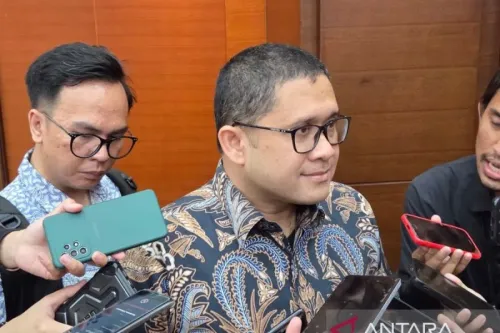
Scrutiny of Raffi's connections has also reached state-linked industry. Indonesia Business Post reported that his longtime aide Mufli Budi Ananda was appointed a commissioner of PT Krakatau Posco, renewing debate about governance and recruitment based on merit. The company was established in 2010 as a joint venture between state-owned steel producer PT Krakatau Steel (Persero) Tbk and South Korean steelmaker POSCO, with an initial investment of approximately $2.66 billion.
The same outlet reported that the RANS group, co-founded by Raffi and Nagita Slavina, was preparing to enter Indonesia's capital market. Its IPO prospectus disclosed politically connected shareholders, including Kaesang Pangarep, former President Joko Widodo's youngest son, and Dony Oskaria, chief operating officer of Indonesia's sovereign investment holding Danantara.
How fame becomes political influence
Hasfi places Raffi's experience within a broader change in Indonesian politics: celebrities do more than attract campaign crowds or endorse candidates; some now exercise formal power themselves.
The 2014 presidential election offered prominent examples of celebrity endorsements. Sting backed Joko Widodo on his official Facebook account, while a video circulated on YouTube showing Diego Maradona supporting Prabowo Subianto. Singer Sherina Munaf's #AkhirnyaMilihJokowi post also went viral before election day. Hasfi notes that the credibility of some material, particularly the Maradona video, was disputed, while emphasizing the ability of famous figures to attract attention and rally support quickly.
To explain the conversion of visibility into influence, Hasfi draws on Olivier Driessens's 2013 concept of celebrity capital. Fame and media exposure can become resources in business, social relationships and politics, offering a shortcut to power. The rise of figures such as Donald Trump and Volodymyr Zelenskyy has, in this analysis, prompted concern that democratic politics increasingly sidelines expertise and competence.
Hasfi also discusses celebrities' epistemic power: their capacity to shape what people know and believe. That influence can distort public understanding and decision-making, weakening democratic deliberation. The concern echoes Neil Postman's 1985 book Amusing Ourselves to Death, which warned about entertainment and image-making taking precedence in public life. Although Postman wrote in a television-dominated era, Hasfi argues that the warning remains relevant as communication technology brings politics and entertainment together in everyday life.
Fame does not guarantee trust
The audience can also constrain celebrity influence. Hasfi cites Caleb George Hubbard's 2026 study, "Trust, Fame, and Celebrity Politics: Audience Perception and Celebrity Credibility in Political Discourse," which found that credibility tends to fall when a celebrity's political message clashes with the audience's views. Political agreement and an emotional connection, by contrast, can strengthen credibility.
Hasfi interprets the Raffi boycott as an example of that accountability. Entertainers who take political roles cannot fully insulate their commercial identities from the responsibilities of public office.
For Hasfi, the appropriate test is not simply how much attention celebrities command, but whether they demonstrate competence, integrity and responsibility toward the public interest. That requires understanding the issues they address, exercising influence cautiously and remaining receptive to public criticism.