Local supplies fall short of national assurances
Energy and Mineral Resources Minister Bahlil Lahadalia has put national Pertalite and diesel inventories at 16 to 20 days of supply. But Tempo argues that national totals obscure regional shortages, while limited public access to inventory data makes the full extent of the problem difficult to assess.
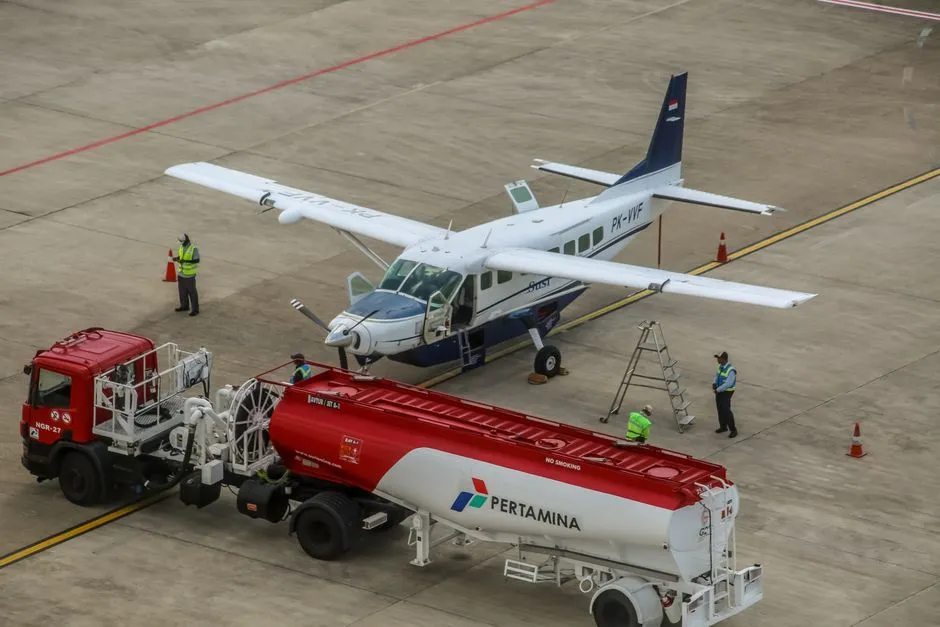
In East Java's Greater Malang area, reported Pertalite inventories cover just 1.3 days. At the Tuban fuel terminal, diesel occupies about 5 percent of tank capacity. Several depots in the province also have Pertamax tanks below 10 percent capacity, despite government assurances that national supplies of that fuel cover 27 days.
East Java Governor Khofifah Indar Parawansa said 51 of the province's 972 gas stations were susceptible to long queues as of October 2026, according to Kompas.id. In Bali, Bahlil ordered seven additional fuel distribution vessels and directed that reserves be increased from 11 to 15 days after chairing a coordination meeting on October 19.
Tempo disputes the government's treatment of the shortages as a distribution problem, arguing that fragile reserves and insufficiently transparent data leave authorities without a comprehensive view of fuel availability.
Price changes put pressure on subsidized fuel quotas
East Java had distributed more than 86 percent of its diesel quota before October ended. More than a dozen of its cities and regencies are expected to exhaust their allocations in November 2026, according to Tempo.
Demand for Pertalite increased after Pertamina raised non-subsidized fuel prices on June 10. Pertamax rose from Rp12,300 to Rp16,250 per liter, Pertamax Green from Rp12,900 to Rp17,000, and Pertamax Turbo to Rp20,750.
At an August 26 hearing before parliament's Commission XII, BPH Migas head Wahyudi Anas said average daily Pertalite distribution had risen from 75,735 kiloliters at the start of 2026 to 82,700 kiloliters after the price increase. It reached 85,589 kiloliters on July 1, Kompas.id reported.
The price of subsidized diesel, known as Solar, remained fixed at Rp6,800 per liter as of October 21, while compensated Pertalite remained at Rp10,000. Non-subsidized fuel prices were allowed to fluctuate, according to Kompas.id.
Tempo warns that consumers switching from Pertamax could soon deplete already limited Pertalite stocks. It also criticizes the quota-setting process for failing to account for changes in consumption.
B50 mandate faces production constraints
President Prabowo Subianto has said Indonesia no longer imports diesel because it uses B50, a blend containing equal proportions of palm oil-based fuel and fossil fuel. Tempo says biodiesel is nevertheless not yet widely available.
The mandate took effect in July 2026, when the government raised the required blend from B40 to B50, according to the USDA Foreign Agricultural Service's Biofuels Annual report, published August 14. Retailers received a three-month transition period to sell their remaining B40 stocks through September; B50 became mandatory after that period.
The Energy and Mineral Resources Ministry allocated 16.7 million kiloliters of biodiesel among 26 producers for 2026, Argus Media reported on July 29, citing a document it reviewed. That replaced the initial allocation of 15.6 million kiloliters for the B40 target. The revised total assigned 8.2 million kiloliters to the subsidized public service obligation, or PSO, sector and 8.5 million to the non-PSO sector.
Tempo attributes disrupted supplies of fatty acid methyl ester, or FAME, the feedstock for B50, to producers' financial difficulties. It says the government's withholding of tax refunds has left companies short of the capital needed to operate their plants.
Subsidy costs outstrip available funding
The initial allocation for this year's energy subsidies and compensation was Rp376 trillion, calculated using oil at US$70 a barrel and an exchange rate of Rp16,500 per dollar. Tempo reports that the government's latest estimate puts the funding requirement at Rp900.5 trillion, assuming oil at US$96 and an exchange rate of Rp17,600.
Only Rp490.9 trillion can be allocated, according to the editorial. More than Rp400 trillion owed to Pertamina and PLN would be deferred until next year, subject to budget availability. Tempo says depleted cash reserves are limiting Pertamina's ability to secure fuel.
Separately, Finance Minister Suahasil Nazara said on October 9 that energy subsidy and compensation payments through September had totaled Rp376.8 trillion. ANTARA News reported that this represented a 54.1 percent increase from a year earlier and 84.3 percent of the 2026 state budget target. Subsidized fuel oil consumption reached 13,408.6 thousand kiloliters, up 9.1 percent year over year.
Measures intended to restrain demand and the subsidy bill have been in force since early April, according to the USDA report. They include a strict daily subsidized-fuel purchase cap of 50 liters for private and public vehicles, a requirement that civil servants work from home one day a week, and reductions in official state travel.
Import constraints and currency risks
Tempo says tensions in the Persian Gulf continue to constrain overseas supplies of crude oil and refined fuel. Indonesia remains a net oil importer, and Statistics Indonesia data reported by The Jakarta Post on November 2 showed a September oil and gas trade deficit of US$2.31 billion, with petroleum products and crude oil contributing most to the shortfall.
The report put oil and gas imports at US$631.4 million, an increase of 23.94 percent from a year earlier, driven by a 37 percent rise in refined petroleum products.
Tempo warns that further rupiah depreciation would complicate efforts to address the supply and funding problems. The editorial attributes part of the currency's decline to the government's management of fiscal conditions and the investment climate.