Brent crude nears $100 as Middle East conflict intensifies
Brent crude rallied towards $100 per barrel on Wednesday as intensifying attacks across the Middle East stoked inflation concerns and kept Asian stock markets subdued ahead of closely watched US consumer price data.
Oil prices jumped for a fourth straight session, with Brent crude futures rising $1.57 to $99.49 a barrel in early trade, the highest level since late June. US West Texas Intermediate crude climbed $1.60 to $94.63 a barrel. The gains reflect mounting anxiety over supply disruptions in a region that accounts for roughly 34% of global crude oil trade.
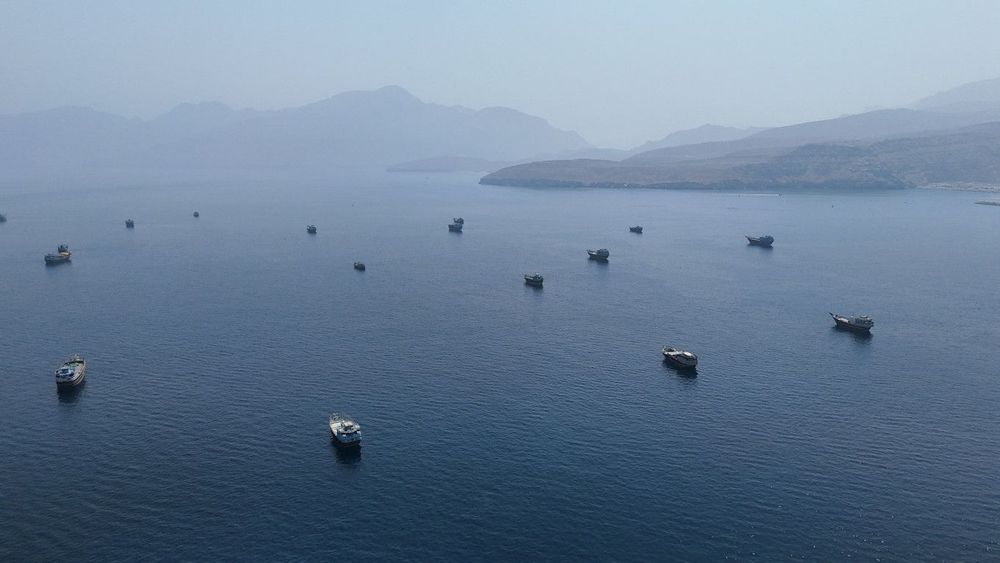
Strait of Hormuz traffic plummets
The Strait of Hormuz, through which nearly 15 million barrels per day of crude oil normally transit, has seen traffic plummet from more than 100 vessels daily to just five by late August, with approximately 90-95% of maritime traffic diverted since the outbreak of the conflict. The waterway handles about 25-27% of all global seaborne oil trade, making it a critical chokepoint for world energy markets.
Attacks on Saudi facilities
Iranian-backed Houthi forces in Yemen launched strikes on multiple Saudi cities on Tuesday, wounding at least 73 civilians and striking Saudi Aramco oil facilities in Abha, Jazan, Najran, and Khamis Mushait. The attacks caused fires that temporarily halted operations at several energy sites, further embroiling a key US ally in the conflict. The assaults come after weeks of escalating clashes between Houthis and Saudi-backed government forces shattered a four-year truce in Yemen's civil war, displacing approximately 18,500 people in Taiz and Hodeidah provinces.
US-Iran military confrontations escalate
Meanwhile, US forces destroyed five Iranian crude oil carriers on Tuesday in response to Iran targeting an American warship with ballistic missiles on two occasions over the preceding days. The US Navy vessel successfully evaded both attacks.
Iran's Revolutionary Guards struck back Wednesday, attacking a US military base in Al Azraq, Jordan with ballistic missiles. Jordanian air defenses intercepted 18 of 20 missiles, according to reports. Tehran vowed further retaliation for American strikes on its oil infrastructure.
The United States and Iran remain locked in a six-month stalemate, with Iran maintaining control over the Strait of Hormuz while Washington pursues a campaign targeting Iran's ports and economy.
Asian economies face acute vulnerabilities
The conflict's impact extends far beyond the immediate region. China, India, Japan, and South Korea—which collectively received 69% of all crude oil flowing through the Strait of Hormuz in 2024—face particularly acute supply vulnerabilities. This exposure helps explain the subdued mood across Asian equity markets as investors assess the economic fallout.
Saudi Arabia, which accounts for approximately 38% of crude exports through the strait at about 5.5 million barrels per day, holds the vast majority of the world's spare crude oil production capacity at over 4 million barrels per day. Any major disruption to Saudi output could eliminate most of this cushion, leaving global markets with little buffer against further supply shocks.
Price volatility and market outlook
Oil price volatility has been pronounced throughout 2026, with Brent crude averaging $87.26 per barrel in the first eight months of the year while trading in a wide range between $59.96 and $118.35. Prices spiked to an average of $117.29 per barrel in April during peak conflict escalation, underscoring how quickly geopolitical tensions can reshape energy markets.
Currency markets are also reacting to the crisis. The yen strengthened towards a nearly seven-month high against the dollar as traders unwound short positions in the Japanese currency. Market participants anticipate faster interest rate increases from the Bank of Japan, which raised its key rate to 0.75% in December 2025—the highest level since September 1995—and is considering more aggressive hikes as soon as September, potentially moving beyond its current pace of roughly twice yearly.
The euro edged higher ahead of Thursday's European Central Bank policy decision, with markets widely expecting a rate increase amid inflationary pressures from the Iran conflict.
As military confrontations continue to intensify, energy analysts warn that the combination of restricted shipping through Hormuz, attacks on production infrastructure, and limited spare capacity creates conditions for further price surges that could ripple through the global economy.