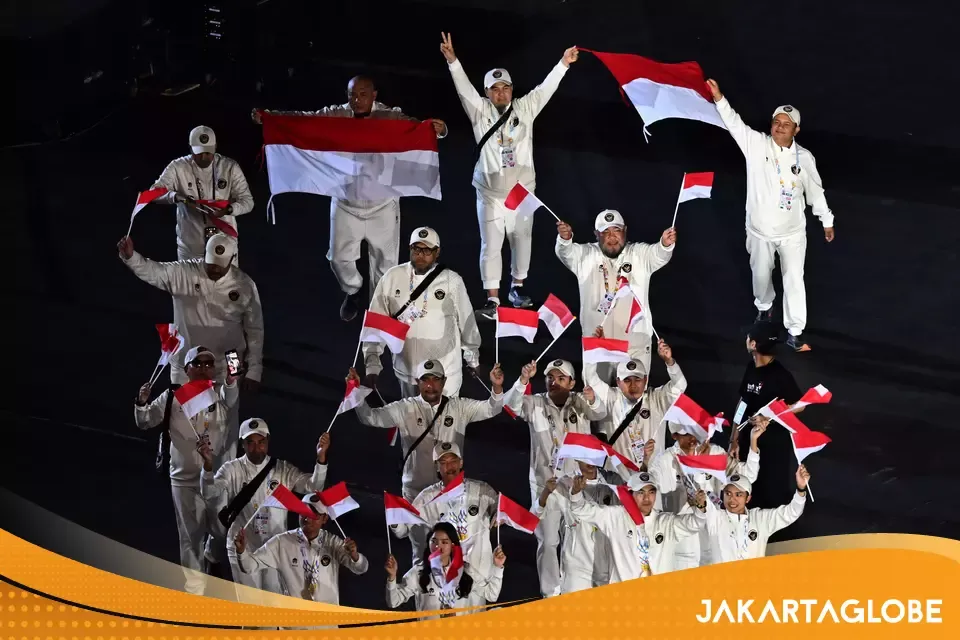
Calls for talks amid boycott demands
Lalu, deputy chairman of the House of Representatives' education and sports commission, urged the Youth and Sports Ministry to avoid confrontation and negotiate over the omissions.
"I don't think a boycott is necessary. We should act in the spirit of sportsmanship. If certain events have been dropped to Indonesia's disadvantage, there is still room for diplomacy and discussion," he told reporters in Jakarta.
The National Awakening Party (PKB) lawmaker said Indonesia still had athletes capable of winning many medals. He called for defending the country's sporting interests through diplomacy while thoroughly preparing its competitors.
Others in Indonesian sport favor withdrawal. Indonesian Sambo Federation President Krisna Bayu, also an executive committee member of the Indonesian Olympic Committee (NOC Indonesia), has called for a boycott and structural changes to the Southeast Asian Games Federation (SEAGF).
NOC Indonesia chairman Raja Sapta Oktohari said the country respects the federation's authority and procedures for choosing the program, but argued that those decisions must also provide balance, equal opportunity and support for athlete development throughout ASEAN.
Medal opportunities and development at stake
The program approved by the SEAGF on Oct. 30 contains 43 sports and 473 medal events. That is seven sports and 100 events fewer than at the 2025 Games in Thailand.
Rowing, canoeing, traditional boat racing, wrestling, chess, kickboxing, jujitsu, sport climbing and triathlon are among the sports left out. The cuts also cover beach volleyball and both the men's and women's badminton team competitions. Bowling, by contrast, has expanded from six events to 22.
Kompas estimates that the exclusions cost Indonesia at least 24 potential gold medals, equivalent to about 26 percent of its 2025 gold haul. Indonesia placed second at those Games with 91 golds, behind Thailand's 233.
The Indonesian Rowing Association (PODSI) said the loss of rowing would prevent some leading athletes from defending their titles after the sport delivered nine Indonesian gold medals in 2025. It also warned of disruption to national training and athlete development programs.
PODSI questioned how the omission aligned with discussions at a May 2024 SEAGF meeting, where rowing was included as members considered the programs for the 2025, 2027 and 2029 editions.
Indonesia's triathlon and sport climbing communities have voiced similar concerns. Triathletes earned seven golds in 2025, while sport climbers won four of the six events. The Indonesian Sport Climbing Federation described the regional Games as a step toward higher-level international competition for young athletes.
Kompas also noted Malaysia's limited results in several excluded sports at the 2025 Games: three bronze medals in canoeing, none in rowing or dragon boating, no medals in sport climbing, and three bronzes in triathlon.
Vietnam faces losses as well. According to VOV, eight omitted sports produced 24 of its 87 gold medals in 2025, or about 27.6 percent. Wrestling accounted for 10 of those golds. Including individual events removed from the program, VOV estimated that Vietnam would be unable to defend around 30 titles.
Indonesia seeks an explanation
Youth and Sports Minister Erick Thohir said on Nov. 12 that he had written to his Malaysian counterpart to ask why sports that had supplied a substantial share of Indonesia's gold medals were excluded. He also sought assurances on fairness and sportsmanship.
Malaysian Youth and Sports Minister Mohammed Taufiq Johari said the letter proposed adding events to the 2027 program. It was sent on Nov. 6 and received by Malaysia on Nov. 13, 2026. Taufiq said the selection was not Malaysia's alone: all 11 member countries participated through SEAGF procedures.
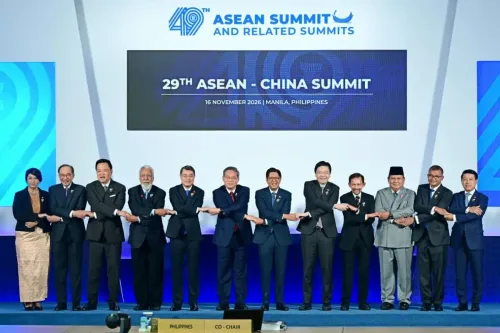
Erick said he planned to discuss the dispute on the sidelines of the ASEAN Summit in the Philippines and seek backing from neighboring countries' sports officials. Philippine Sports Commission Chairman Patrick Gregorio had already expressed support for Indonesia's position, according to Erick.
The minister pointed to a successful intervention in 2019, when he chaired the Indonesian Olympic Committee. He led a walkout over the Philippines' proposal to leave badminton out of that year's Games; diplomatic pressure ultimately secured its inclusion.
Malaysia says members agreed on the program
Olympic Council of Malaysia Vice President Nur Azmi Ahmad said no participating country objected when the proposed lineup came before the Oct. 30 meeting. Utusan reported that he considered the program final, with too little preparation time remaining to accommodate more events.
On Nov. 14, 2026, Olympic Council of Malaysia and SEAGF president Tan Sri Mohamad Norza Zakaria said all 11 member nations had collectively agreed to the 43-sport program under SEAGF Charter Regulation 34.
Norza outlined a process that began April 8 with 38 proposed sports. Appeals sought another 29; five were accepted, bringing the list to 43 sports approved in July, followed by the 473 events.
The five additions were padel, dancesport, teqball, ice hockey and kabaddi, according to Bernama's account of Nur Azmi's remarks. Six countries expressed interest in padel, which will debut at the SEA Games in the Kuala Lumpur cluster. Dancesport is assigned to Sarawak.
The Games are scheduled for Sept. 18-29, 2027, with competitions across Kuala Lumpur, Sarawak, Penang and Johor.