A regional hub for creators
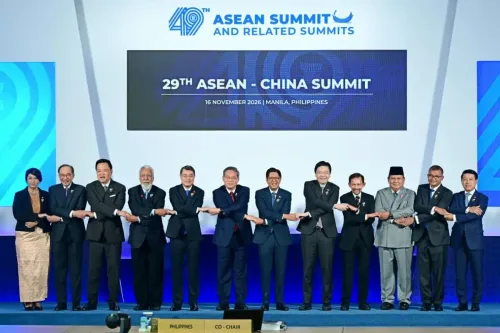
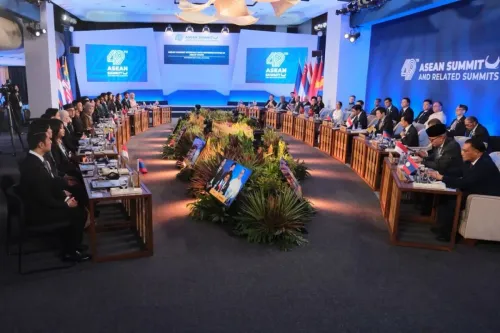
The declaration, adopted at the 49th ASEAN Summit in Manila, commits member states to making the creative economy a primary driver of economic growth, innovation, employment and social inclusion.
"We mandate ACE-CI to serve as a regional knowledge and policy hub," states the declaration, accessed on the 2026 ASEAN Philippines Chairmanship website on November 16.
Under the ASEAN Creative Economy Sustainability Framework, the center is intended to help build an inclusive, competitive and sustainable environment for the region's cultural and creative industries. Its work will include helping creators adopt emerging technologies, develop entrepreneurial skills and navigate digital transformation.
Small-scale creators are a particular focus of plans to strengthen understanding and protection of intellectual property rights so they can find more commercial opportunities for their work.
Research, connections and market access
ACE-CI will carry out research and help member states share best practices to inform policymaking. That work must respect national laws and each country's development priorities.
The center is also expected to bring together creative-economy organizations, networks and practitioners, helping goods, services, talent and investment move within Southeast Asia under each country's regulations. The declaration encourages members to use ACE-CI to responsibly broaden access to regional and global markets for ASEAN creative products and services.
The intended beneficiaries range from micro, small and medium enterprises (MSMEs) and startups to artists, artisans, creative workers and freelancers. The initiative also seeks opportunities for women, young people, local communities and Indigenous peoples, while safeguarding tangible and intangible cultural heritage and traditional knowledge.
The sector's economic footprint
A study led by Isla Lipana & Co./PwC Philippines put the combined value generated by creative industries in selected ASEAN economies at about $300 billion in 2025, the Daily Tribune reported. It estimated their exports of creative goods and services at around $150 billion in 2024.
The study cautioned that those figures are directional estimates: countries differ in how they define the creative economy and in the statistical systems they use to measure it.
For the Philippines, the Philippine Statistics Authority reported that the creative economy accounted for 7.6% of gross domestic product in 2025, generating 2.12 trillion Philippine pesos and supporting 8.71 million jobs.
From ministerial groundwork to summit agreement
Economic ministers had reviewed the proposed center before leaders adopted the declaration. At their 58th ASEAN Economic Ministers' Meeting in Manila on September 19, 2026, they welcomed progress on the document. The ASEAN Secretariat's joint media statement described ACE-CI as a means to realize the sector's economic potential, encourage innovation and cultural entrepreneurship, and spread growth more inclusively across the region.
At that meeting, ministers also welcomed the completion of negotiations on the ASEAN Digital Economy Framework Agreement (DEFA), with signing planned on the sidelines of the 49th ASEAN Summit. They said the agreement would strengthen the basis for an integrated, inclusive, competitive and trusted digital economy, making regional digital participation easier for businesses, especially MSMEs.
The Philippines is hosting the summit from November 15 to 17, 2026, for discussions on closer cooperation and regional and global challenges. The Philippine News Agency reported that leaders approved and noted at least 150 documents. Its account listed the creative industries center declaration among the publicly issued leaders' declarations, alongside those addressing cross-border movement of digital talent, AI-powered MSME growth and MSME development.