Technology and youth participation
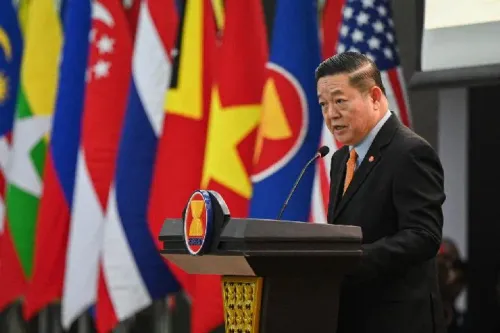
In a statement released November 16, Indonesia's Foreign Ministry said Arrmanatha called for young people to use technology wisely and help create a digital environment that is safe, inclusive and centered on people's needs. Technological advances, he said, should bring practical improvements to communities' quality of life.
His appeal extended beyond technology use to a larger role for youth in policymaking and decision-making. He urged continued support for their innovations so they can contribute more to the region.
"Now is the time for the younger generation to step forward, not only as future leaders, but also as partners in shaping ASEAN today," he said.
Arrmanatha also linked regional resilience to new ideas from young people and to strength at the individual and community levels. He encouraged youth to strengthen their mental resilience, help one another, oppose discrimination and inequality, and respect people from different backgrounds.
A direct dialogue with regional leaders
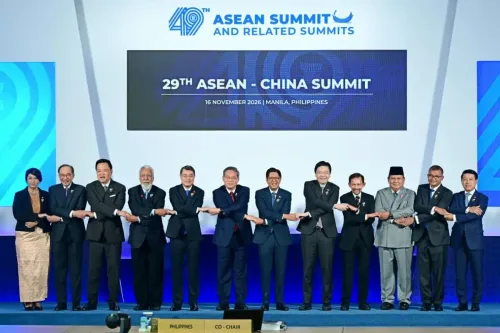
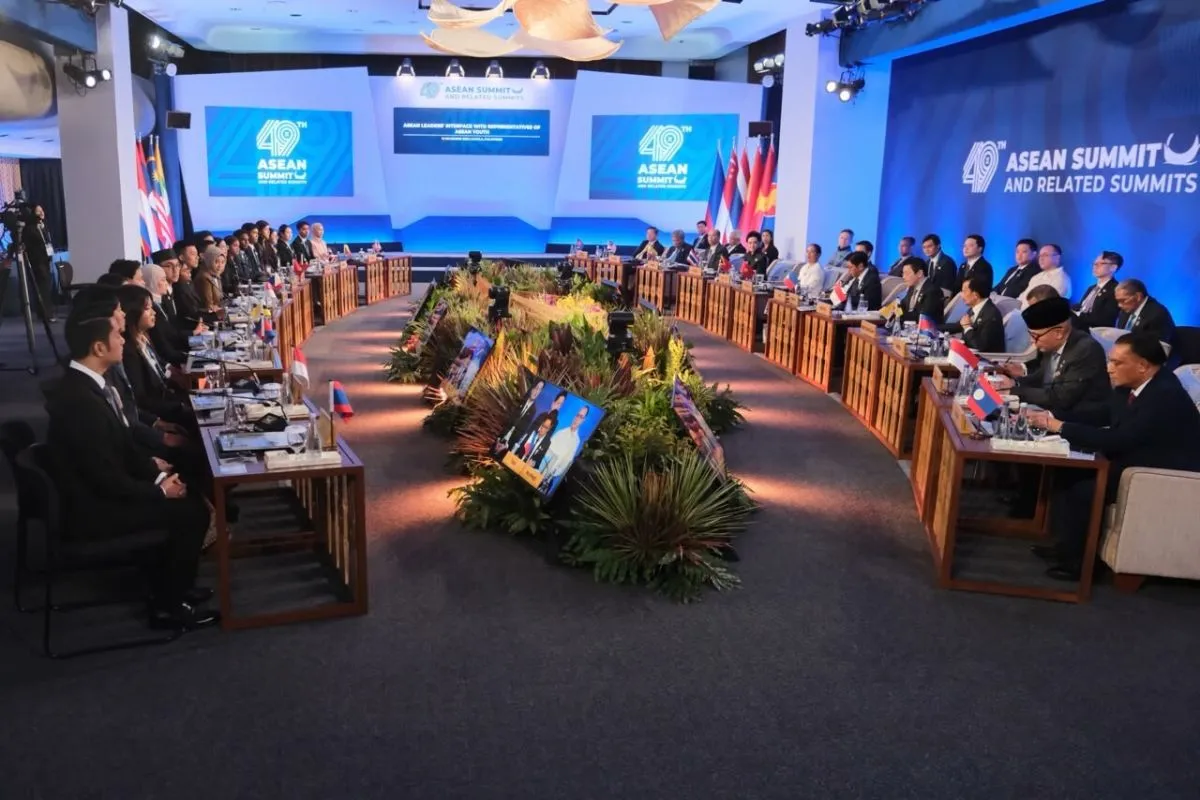
The ASEAN Leaders' Interface with Representatives of ASEAN Youth brought leaders into direct discussion with youth delegates from every member state. According to the Philippine Presidential Communications Office, it took place at the Philippine International Convention Center in Pasay City. The Philippines chaired the 2026 summit under the theme "Navigating Our Future, Together."
The Indonesian representatives were Yogyakarta Investment Club co-founder Jadid Purwaka Aji and Isabella Damaiyanti Widyaputri, who works as a research assistant at the Economic Research Institute for ASEAN and East Asia (ERIA). Indonesia's Foreign Ministry described Arrmanatha's attendance as part of its commitment to developing capable, resilient youth as partners in inclusive, sustainable development under the Golden Indonesia 2045 national development vision.
Opening the meeting, Philippine President Ferdinand Marcos Jr. said youth should help determine the region's direction rather than simply observe its discussions. He pointed to obstacles that still limit their participation, financing, access to relevant education and prospects for decent work, alongside insecurity, exclusion and harmful online environments.
Marcos also outlined the Youth Statement presented at the meeting. It seeks sustained, meaningful youth participation, including in peacebuilding and security, as well as stronger protections and opportunities for people working in emerging industries. On digital transformation, it calls for an approach that is ethical, safe and accessible to everyone.
Digital trade agreement signed before the meeting
The youth dialogue followed the November 14 signing in Manila of the ASEAN Digital Economy Framework Agreement (DEFA) by the bloc's 11 member countries. Rappler described it as the world's first region-wide digital economy agreement, setting shared digital trade rules for a market of nearly 680 million people.
Its scope includes cross-border e-commerce, electronic payments and source code protection, along with cybersecurity and safeguards for online consumers. It also provides for cooperation on emerging technologies, including artificial intelligence.
Rappler reported that DEFA is projected to help expand ASEAN's digital economy from an estimated $1 trillion to $2 trillion by 2030. ASEAN expects the agreement to take effect in 2027, with May identified as the implementation target. The full text is expected to be published on the ASEAN Secretariat's website by early 2027.