Indonesia sets out its conditions
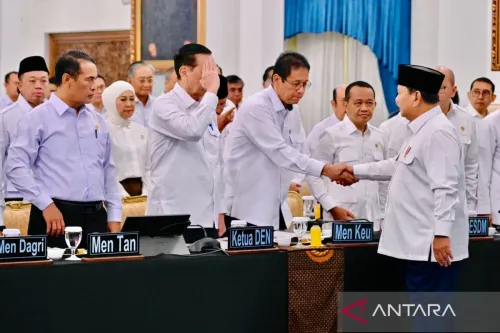
For Jakarta, sustainable regional electricity integration rests on cooperation that respects domestic rules and national interests, Coordinating Downstream and Energy Transition Minister Bahlil Lahadalia said.
"In discussions regarding the ASEAN Power Grid, Indonesia emphasizes the importance of the principle of mutual benefit, while ensuring that the regulations and national interests of each country are respected," Bahlil said in a statement released Sunday by the Energy and Mineral Resources Ministry.
Indonesia finished adjusting its domestic regulations before signing the enhanced memorandum of understanding. After the agreement takes effect, several task forces under the ASEAN Power Grid Consultative Committee will carry out the cooperation. Draft work plans for those groups were scheduled for presentation at the summit.
The summit's electricity agenda also includes the committee's work plan, the ASEAN Power Grid Regional Planning Framework and the ninth ASEAN Energy Outlook.
A framework for the 2045 grid
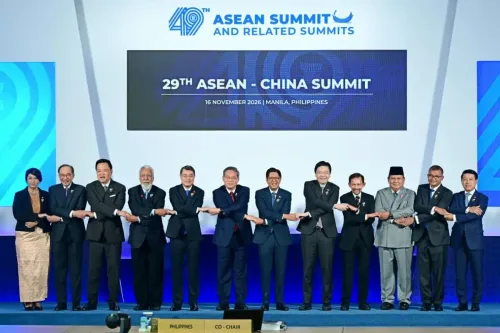
Signed on Nov. 15, 2026, on the sidelines of the Manila summit, the enhanced memorandum strengthens the framework for linking national power systems and trading electricity among multiple countries. Philippine President Ferdinand Marcos Jr., the summit host, described the signing as a major step toward a regional network that has been under discussion for decades.
The ASEAN Power Grid was conceived in 1997, with a goal of connecting every member state's electricity network by 2045. Those connections would allow countries with excess power to supply countries facing shortages and help cushion localized disruptions. The grid is also a flagship program in the ASEAN Plan of Action for Energy Cooperation 2026–2030.
Financing remains part of that effort. The memorandum is intended to complement the APG Financing Initiative, through which ASEAN, the Asian Development Bank and the World Bank Group support project preparation and seek investment. The World Bank Group estimates that about $800 billion in generation and transmission investment is needed to support the grid.
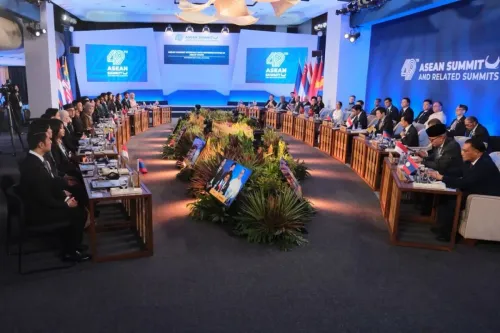
At the summit's opening plenary at the Philippine International Convention Center, Marcos described the Prosperity Corridors as a way to connect markets, energy systems, infrastructure, technology and finance in pursuit of more resilient, sustainable and inclusive growth. He said changes in technology, trade, energy demand and supply chains would test ASEAN's economic competitiveness, and called on members to turn political goodwill into practical cooperation built on mutual benefit.
Cross-border electricity projects
At the summit's close, Marcos announced plans for an undersea power cable connecting Sabah in Malaysia with Mindanao in the southern Philippines. The announcement comes as several ASEAN countries pursue agreements to share energy across borders.
One operating example is the Lao PDR–Thailand–Malaysia–Singapore Power Integration Project, or LTMS-PIP. A tripartite Phase 2 Energy Wheeling Agreement signed on Jan. 14, 2026, completed implementation of LTMS-PIP 2.0, increasing total electricity trading capacity from 100 MW to as much as 200 MW.
The two-year agreement covers renewable electricity from Lao PDR and additional Malaysian supply delivered to Singapore through the Thai and Malaysian grids.
Fuel reserves also on the regional agenda
Efforts to accelerate electricity connections and regional fuel-sharing come against a Middle East energy crisis that has disrupted global fuel supplies and pushed up energy costs in Southeast Asia. The Philippines declared a national emergency earlier in 2026, prompting Marcos to seek closer regional cooperation against future supply shocks.
Singapore, Indonesia, Malaysia and the Philippines support a proposed regional oil-stockpiling mechanism that would give participants access to fuel reserves held in neighboring countries during emergencies. The United Arab Emirates, an ASEAN sectoral dialogue partner, has also expressed interest in participating.
The Philippines is already exploring access to emergency oil reserves in Indonesia and Thailand. On Nov. 13, 2026, state-run PNOC Exploration Corporation signed preliminary agreements with companies in both countries.