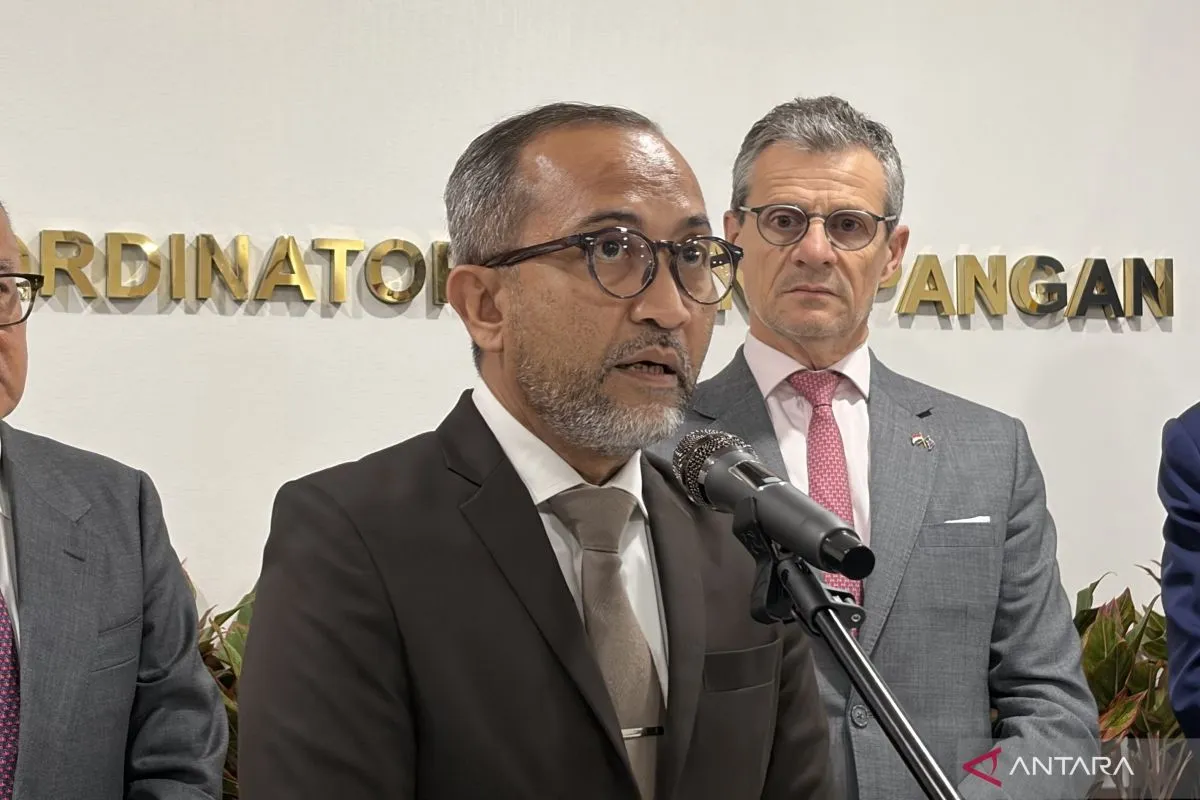
Jakarta prepares for implementation
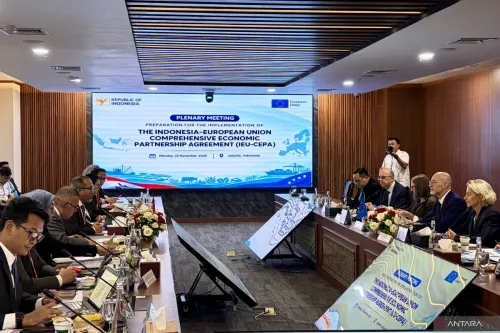
Speaking in Jakarta on November 23, Dandy Satria Iswara, the ministry's deputy for coordination of maritime resources, pointed to the quality of Indonesia's agricultural and fisheries products as grounds for confidence in meeting EU requirements.
"Regarding the European Union's SPS regulations, we are very confident Indonesia can meet most of these provisions, as we produce high-quality fisheries and agricultural goods," he said.
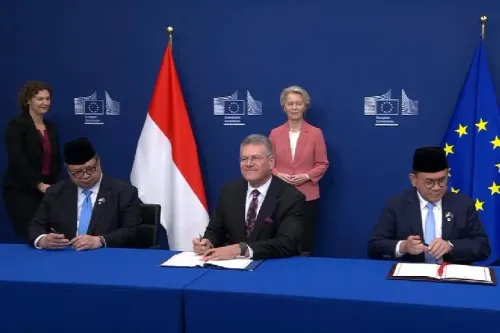
Indonesia and the EU signed the Indonesia-European Union Comprehensive Economic Partnership Agreement (IEU-CEPA) and an Investment Protection Agreement in Brussels on November 21, 2026. The agreements are intended to strengthen legal certainty and investment flows between Indonesia and the 27-member bloc. A November 24 analysis by Access Partnership described the signing as following nine years of negotiations that began in July 2016.
Iswara said Indonesian exports must satisfy requirements covering the products themselves, how they are produced and how they are handled. He noted that both sides regulate imports to protect health and safety.
Discussions between Jakarta and Brussels have addressed tracing goods through supply chains, audit arrangements, and closer cooperation between technical bodies and institutions to bring Indonesian oversight into line with EU benchmarks. The Indonesian government, including the Ministry of Marine Affairs and Fisheries and other relevant ministries, will hold a technical meeting with an EU delegation.
Safety rules remain in force
Sanitary and phytosanitary (SPS) measures address food safety and animal and plant health. The World Trade Organization's SPS Agreement allows governments to set those protections but requires that they not serve as disguised trade barriers.
The European Commission's description of the IEU-CEPA says its SPS chapter reaffirms those WTO principles without changing how the EU adopts or enforces food-safety rules for imported or domestically produced goods.
The chapter also provides for closer cooperation when emergencies affect agricultural and fisheries trade. That work includes greater transparency, prompt exchanges of information, technical consultations, and cooperation both bilaterally and internationally. It also encompasses official controls, certification and import checks at the border.
For tuna exporters, a June 2026 letter from the Commission's Directorate-General for Maritime Affairs and Fisheries explicitly said the agreement gives Indonesia no SPS exemption. Frozen tuna shipments must meet conditions set by EU-authorized establishments. The letter said existing EU sanitary requirements would remain and that the Commission would audit freezing operations aboard fishing vessels.
The agreement does provide a route for recognizing equivalent protections. According to an EU-Indonesia Cooperation Facility handbook for EU exporters, Article 6.14 requires the importing side to accept the exporting side's SPS measures as equivalent when objective evidence shows that they achieve the importing side's appropriate level of protection. The handbook says this could ease recognition of food-safety control systems and registration of testing laboratories, reducing paperwork for exports of plants and plant products.
January target and broader trade requirements
Iswara referred to January 1, 2027, as the agreement's start date and said he hoped the compliance work would remove obstacles facing exporters, businesses and farmers. Access Partnership's November 24 analysis reported that Jakarta had drafted a presidential regulation to accelerate ratification and wanted tariff cuts to begin that day, when Indonesia leaves the EU's tariff preference scheme.
The planned tariff reductions cover more than 98% of tariff lines and nearly all trade by value, according to the European Commission. It says 80% will be liberalized when the agreement enters into force, with liberalization reaching 96% of trade after a five-year phase-out.
Access Partnership also cited Commission estimates that the agreement could add €27 billion to Indonesia's economic output and €16 billion to the EU's by 2042.
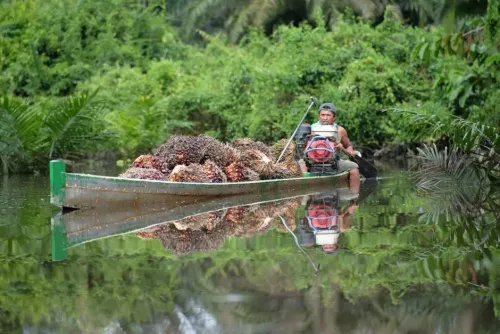
Separately, the analysis said large and medium-sized EU importers of covered Indonesian products, including palm oil, coffee and rubber, will face deforestation checks beginning December 30, 2026. They must trace those goods to the plots where they were grown and submit a statement confirming legal production and that no forest on those plots was cleared for farming after December 31, 2020.