Market access and safety procedures
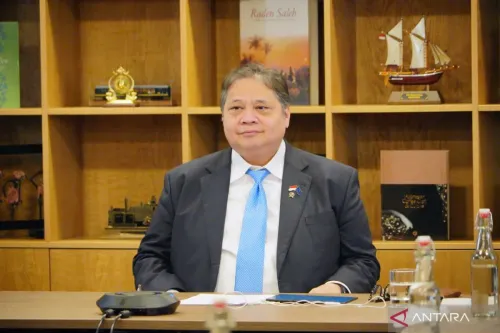
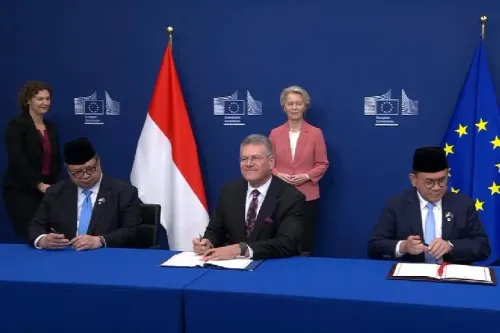
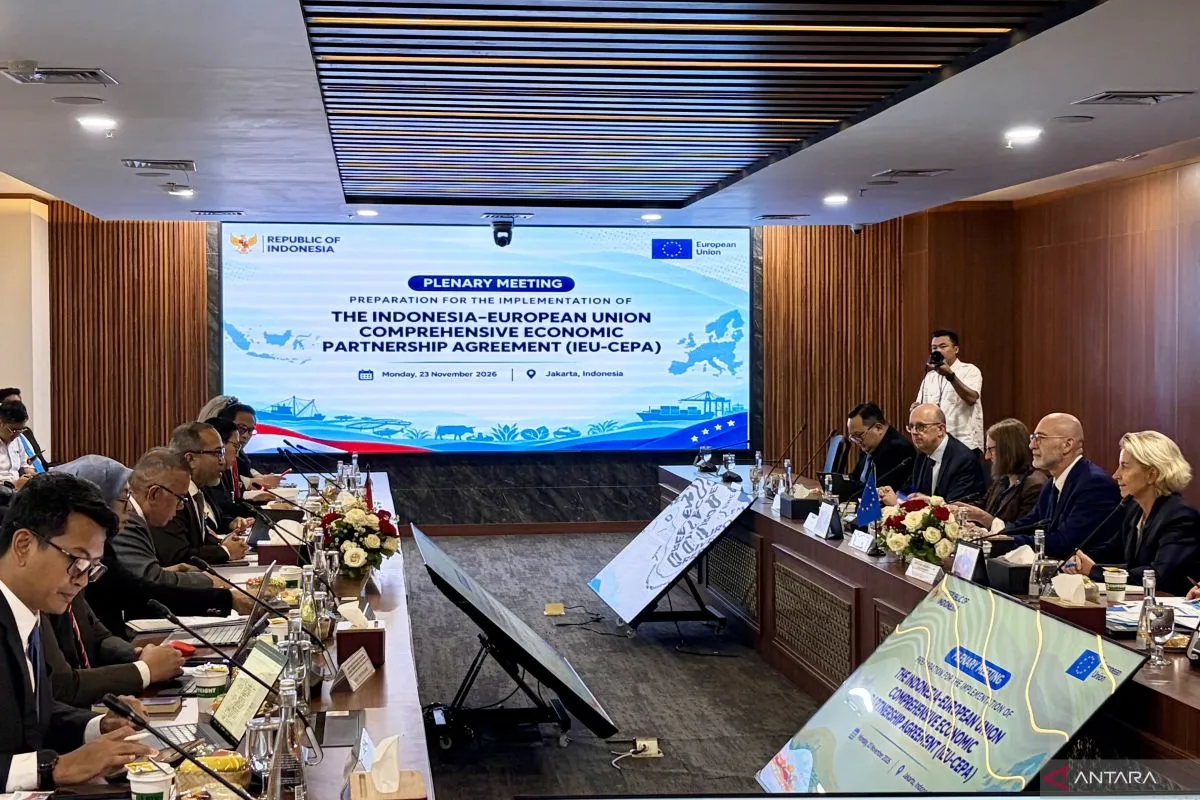
The meeting at Indonesia's Coordinating Ministry for Food followed the November 21 signing in Brussels of the Indonesia-European Union Comprehensive Economic Partnership Agreement (IEU-CEPA) and a separate Investment Protection Agreement (IPA).
Bara Krishna Hasibuan, the ministry's expert staff member for digital transformation and inter-institutional relations, said the Jakarta discussions focused on market access arrangements for EU and Indonesian food, agricultural and fisheries exports. Alongside import requirements, the agenda covered procedures for approving facilities, audit mechanisms and closer cooperation between technical bodies and institutions.
Indonesia called for transparent, science-based and inclusive procedures that respect each side's food safety standards and safeguards for animal and plant health, Bara said. He described the aim as finding common ground on persistent market access obstacles and agreeing on practical steps to address them.
The agreement's sanitary and phytosanitary provisions, set out in Chapter 6, preserve the EU's system for adopting and enforcing food safety rules for both imported and domestically produced goods. According to the European Commission's proposal to the Council of the European Union, the chapter also reaffirms the principles of the World Trade Organization's SPS Agreement and commits both sides to closer cooperation so they can respond quickly to emergencies affecting agricultural and fisheries imports and exports.
The Commission says the deal will bring greater clarity and predictability to SPS procedures through specified timelines for audits and imports, risk-based decisions, transparency and regionalization. It also provides for treating the EU as a single entity for export certification and controls.
Agri-food trade and the next meetings
EU Ambassador to Indonesia Herve Delphin said agri-food products account for about 20 percent of the value of goods traded between the two sides. He projected roughly 40 percent growth in overall two-way trade over the next few years and described the agri-food discussions scheduled for November 23 and 24 as crucial.
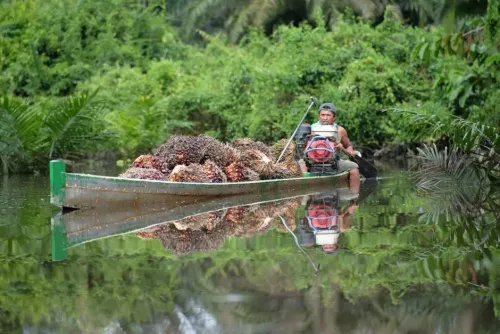
Delphin said the CEPA would give Indonesian agri-food companies more opportunities to sell in Europe while opening opportunities in Indonesia for European exporters. European Commission figures put EU agri-food exports to Indonesia at €960 million in 2025. Those shipments consist mainly of dairy and other animal products, while Indonesia's leading agricultural exports to the EU are palm oil, cocoa and coffee, which the EU does not produce.
Bara said he hoped the partnership would expand opportunities for businesses, including micro, small and medium-sized enterprises, as well as farmers, entrepreneurs and fishers. He also expressed hope that it would strengthen economic ties on a fair, balanced and sustainable basis.
Indonesian officials from the Ministry of Marine Affairs and Fisheries (KKP) and other relevant ministries will follow up with technical meetings with the EU delegation.
Tariffs, quotas and product protections
The CEPA's tariff reductions will take effect in stages. Once implementation is complete, duties will be lowered or removed on 98.35 percent of EU tariff lines covering Indonesian goods and 98.5 percent of Indonesian tariff lines covering EU goods. The Commission's proposal sets out 80 percent liberalization at entry into force, reaching 96 percent of bilateral trade after a five-year phase-out.
For palm oil exports to the EU, Indonesia will waive export duties and levies under initial quotas of up to 1.9 million tons of palm oil and 140,000 tons of palm kernel oil. The agreement also directly protects 221 EU and 72 Indonesian geographical indications, including those for European meats and cheeses and Indonesian spices and coffees.
The European Commission estimates that the CEPA could add €27 billion to Indonesia's economic output and €16 billion to the EU's by 2042.
EU Trade Commissioner Maroš Šefčovič signed the CEPA with Indonesian Trade Minister Budi Santoso and the IPA with Indonesia's Coordinating Minister for Economic Affairs Airlangga Hartarto. The CEPA negotiations began on July 19, 2016, and formally ended on September 23, 2025, following nine years of talks and 19 negotiating rounds.
Separate deforestation requirements
Separate from the CEPA, EU deforestation checks will apply from December 30, 2026, to large and medium-sized EU importers handling covered Indonesian products, including palm oil, coffee and rubber, according to Access Partnership.
Importers will have to trace those goods to their growing plots and submit a statement confirming that production was legal and that no forest on those plots was cleared for farming after December 31, 2020.