Gulf states face strategic dilemma as Houthis seize Red Sea chokepoint
The Iran-aligned Houthi movement's seizure of Yemen's Red Sea coastline has fundamentally altered the regional security landscape, strengthening Tehran's position and presenting Saudi Arabia and neighboring Gulf states with a stark choice between absorbing escalating economic damage or pursuing diplomatic engagement with Iran.
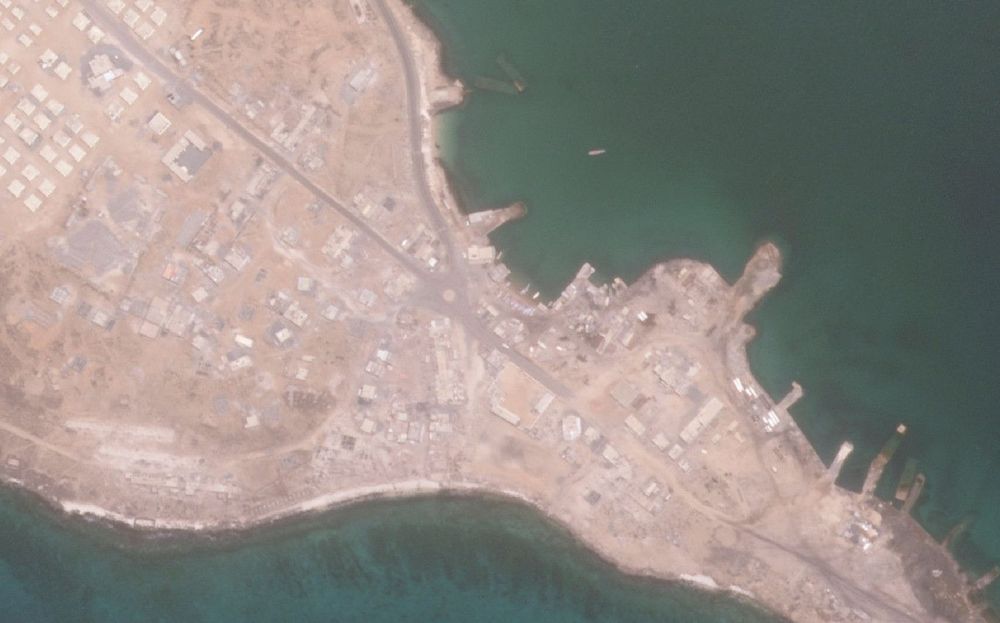
The Houthis' advance culminated in their capture of Perim Island, also known as Mayyun, which sits at the center of the Bab el-Mandeb Strait and divides the critical waterway into two channels. This strategic position, combined with their September 10 seizure of the coastal port city of Mocha approximately 50 miles north, gives the group unprecedented control over one of the world's most vital shipping corridors.
Strategic importance of the Bab el-Mandeb Strait
The geographic significance of the strait cannot be overstated. At its narrowest point, Bab el-Mandeb spans just 18 miles, with tanker traffic confined to two channels each only two miles wide. Oil flows through the waterway have surged dramatically in 2026, rising from 5.6 million barrels per day in the first quarter to 8.1 million barrels per day in the second quarter, representing approximately eight percent of global oil supply.
This increase reflects Saudi Arabia's strategic pivot away from the Strait of Hormuz following intensified conflict with Iran. Before the 2026 war, nearly 15 million barrels per day of crude oil passed through Hormuz in 2025, accounting for 34 percent of global crude trade, with most shipments destined for Asian markets. As that route became increasingly vulnerable, Riyadh redirected substantial volumes through Red Sea ports using the East-West pipeline, also known as Petroline, which was originally constructed in 1981 during the Iran-Iraq War with a capacity of seven million barrels per day specifically to provide an alternative export route during maritime emergencies.
Coordinated pressure on Gulf energy exports
By establishing control over Bab el-Mandeb while Iran maintains pressure on Hormuz, Tehran and its Houthi allies have created a coordinated squeeze on Gulf energy exports. The strategy appears designed to elevate oil prices, fuel global inflation, and narrow the region's options for resolving the crisis through American military intervention alone.
Regional officials and analysts describe the calculation as straightforward: force Gulf states to choose between enduring growing economic pain from constricted oil exports and Iranian attacks, or engage diplomatically with Tehran to preserve trade flows, energy security and economic stability.
The Houthi capture of strategic islands near Bab el-Mandeb is a game changer. It changes the balance of power and gives them far greater geopolitical and geoeconomic leverage over Saudi Arabia, the Gulf, the United States and global trade.
Middle East analyst Fawaz Gerges explained the significance of the Houthi advance.
The pipeline carrying rerouted Saudi crude through Red Sea ports was shut down Friday after coming under attack, further constraining Riyadh's export options. President Donald Trump's reported refusal to authorize American strikes against Houthi positions, despite Saudi requests, has reinforced perceptions in some Gulf capitals that negotiations with Iran may no longer be optional but essential for self-preservation.
Diplomatic efforts and regional tensions
A planned meeting Monday in Oman between Gulf Arab foreign ministers and Iranian Foreign Minister Abbas Araqchi to discuss arrangements for the Strait of Hormuz was postponed due to disagreements over terms, according to a Gulf source. Omani Foreign Minister Badr Albusaidi confirmed the delay, stating the gathering had been rescheduled "in the interests of consensus" while remaining committed to fostering regional dialogue.
The diplomatic maneuvering reflects decades of unresolved tensions. The Houthis, drawn from Yemen's Zaydi Shi'ite minority, captured the capital Sanaa in September 2014 after advancing from their northern stronghold. Before this recent coastal offensive, the group controlled approximately one-third of Yemeni territory. Saudi Arabia and a regional coalition launched military intervention in March 2015, but years of air strikes and cross-border warfare failed to dislodge the movement, which instead expanded its capabilities and emerged as one of Iran's most effective regional partners.
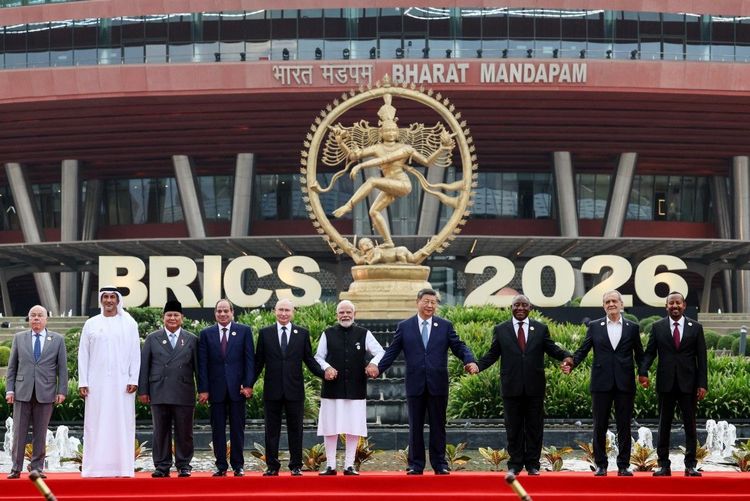
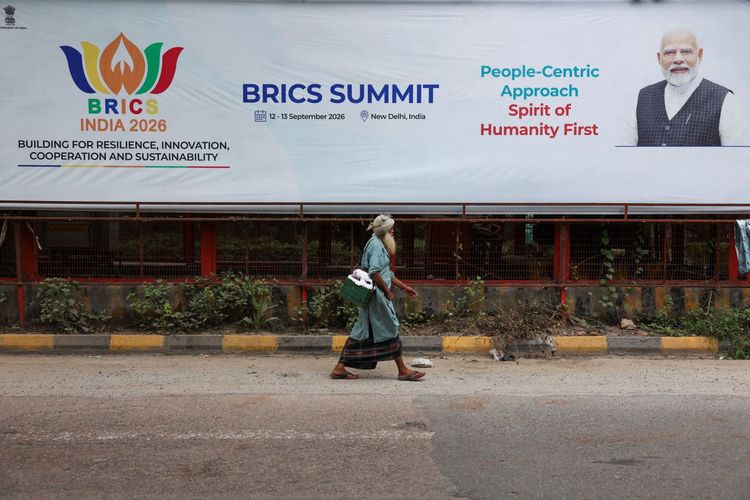
Iranian President Masoud Pezeshkian told reporters Sunday he held constructive talks with UAE Crown Prince Sheikh Khaled bin Mohamed bin Zayed Al Nahyan at the BRICS summit in New Delhi.
We agreed to put the past aside and look forward to the future, and how we can build a future together.
When asked Sunday about Gulf states meeting with Iran, Trump indicated the decision was theirs to make, signaling limited American involvement in potential regional negotiations.
Shifting regional dynamics
Alex Vatanka of the Middle East Institute suggested Gulf states increasingly face a question less about trusting Iran than protecting their interests amid hostilities Washington appears unable to rapidly resolve. This dynamic could drive them toward parallel diplomacy with Tehran and, over time, a broader security framework less dependent solely on American guarantees.
The Gulf states are contemplating the basic reality that they might have to cut a deal with the Iranians on their own, regardless of whether they hurt American feelings or not, because America can't get them out of this quagmire.
Former US negotiator Aaron David Miller emphasized the Houthis' unique position.
The Houthis are not traditional proxies. They can weaponize geography and have a dramatic impact on the international economy and on the global oil economy.
One regional official characterized Tehran's approach as methodical rather than reactive.
For Iran, this is a chess game. They plan what comes next. They don't push all their buttons at the same time out of panic. The Houthis are the only proxy Iranian ally with formidable operational capabilities left.
Washington's economic sanctions on Iran continue to impose costs, but a Gulf source noted an unintended consequence: the pressure campaign is simultaneously squeezing America's Gulf partners into reconsidering whether sustained confrontation with Tehran remains viable. The immutable reality of geography means Iran's position alongside the region's energy and trade arteries makes it an unavoidable factor in any Gulf security equation, regardless of political preferences in regional capitals.