India, Russia pledge deeper partnership as Putin urges BRICS to challenge Western dominance
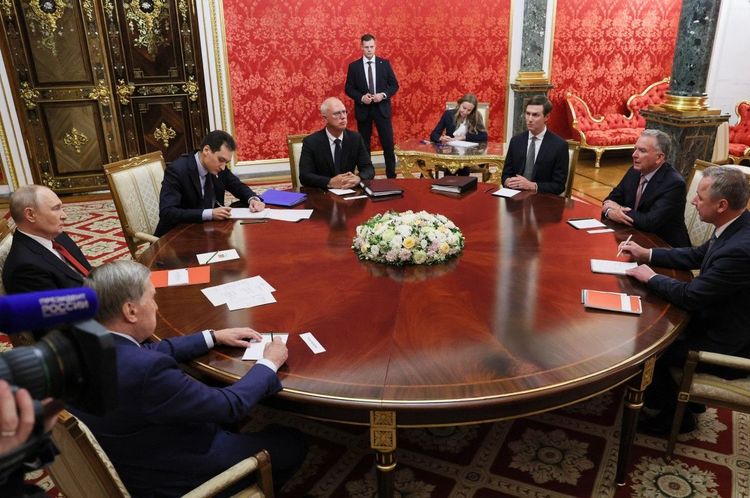
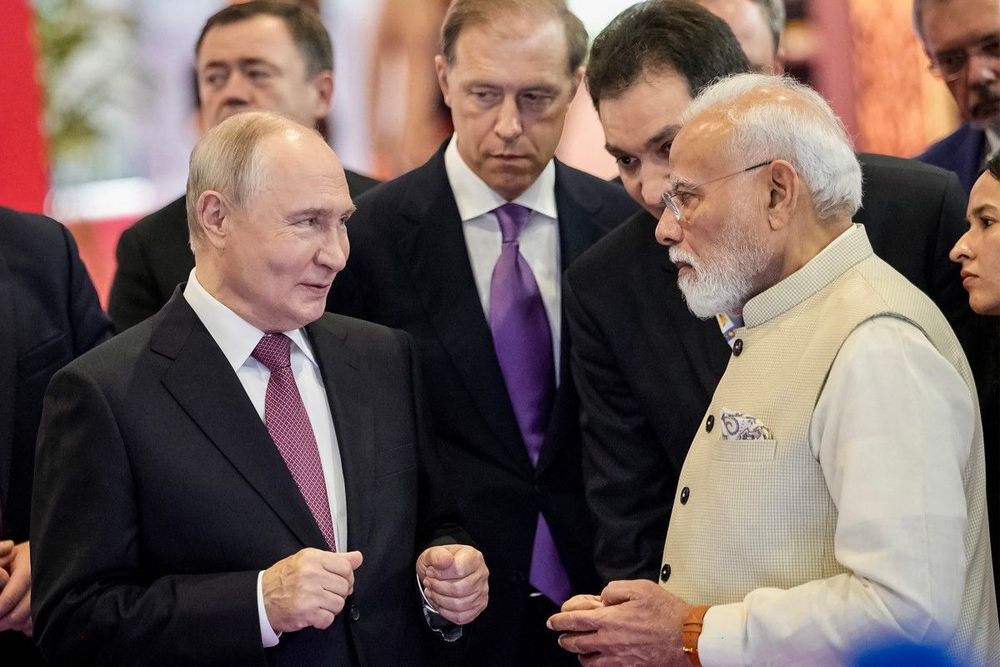
Indian Prime Minister Narendra Modi and Russian President Vladimir Putin agreed on Friday to significantly deepen their nations' strategic partnership, with Putin declaring that the BRICS grouping must establish a new framework for global economic growth independent of Western rules and restrictions.
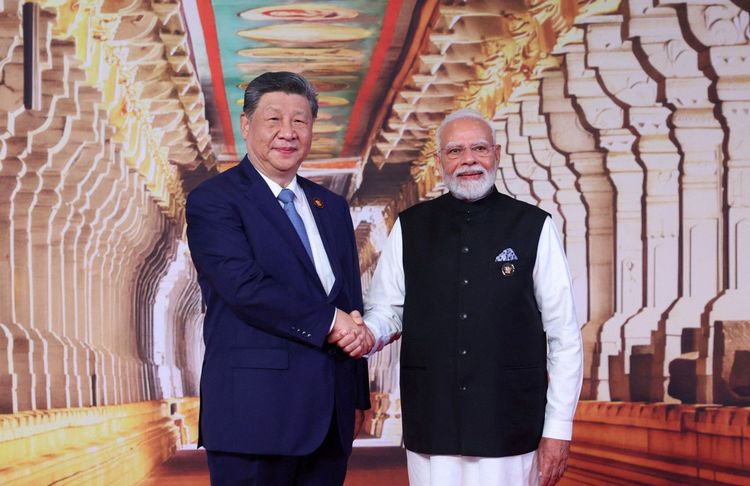
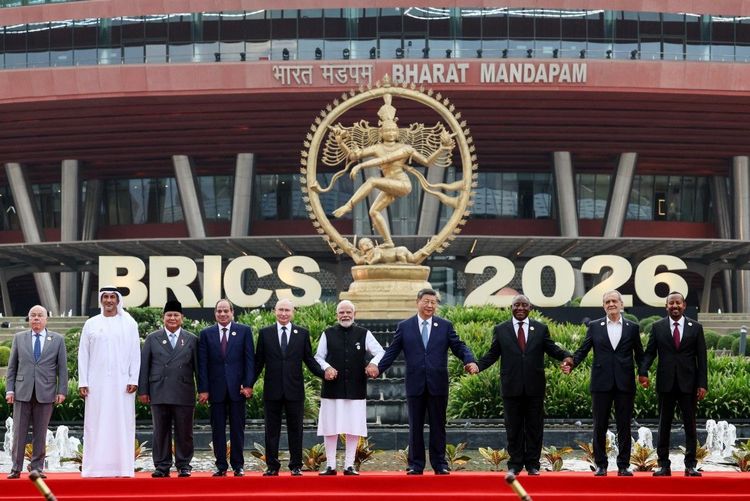
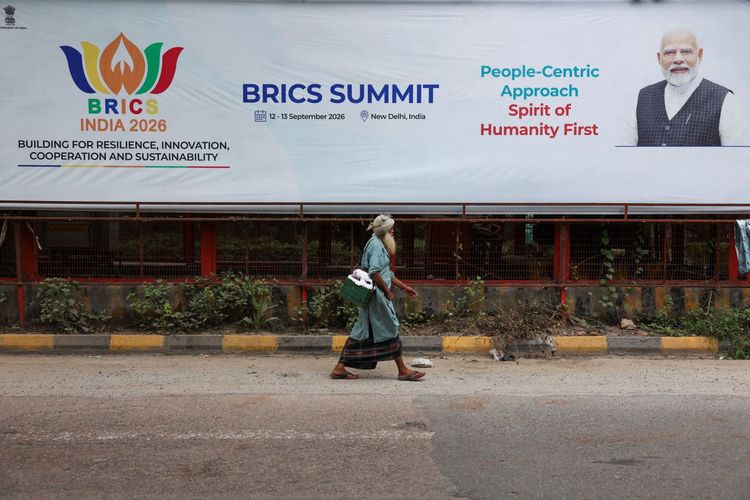
The two leaders held bilateral talks in the Indian capital ahead of the 18th BRICS Summit at Bharat Mandapam on September 12-13, 2026, themed 'Building for Resilience, Innovation, Cooperation and Sustainability.' The summit is drawing Chinese President Xi Jinping, Iranian President Masoud Pezeshkian, South African President Cyril Ramaphosa, and other world leaders.
India assumed the BRICS chairship on January 1, 2026, succeeding Brazil, marking New Delhi's fourth time leading the bloc after previous stints in 2012, 2016, and 2021. The summit comes as New Delhi navigates complex diplomatic waters, attempting to maintain robust relationships with the United States, Gulf Arab states, Russia, Iran, and Israel while managing the fallout from shipping and trade disruptions caused by conflicts in Ukraine and Iran.
Expanded BRICS challenges Western order
The gathering represents a significantly enlarged coalition, with BRICS expanding to 11 full members from its original five. Beyond Brazil, Russia, India, China, and South Africa, the bloc now includes Egypt, Ethiopia, Iran, Saudi Arabia, the United Arab Emirates, and Indonesia. Ten additional partner countries joined in 2025: Belarus, Bolivia, Cuba, Kazakhstan, Malaysia, Nigeria, Thailand, Uganda, Uzbekistan, and Vietnam.
This expanded BRICS now represents approximately 45% of the world's population and around 41% of global GDP by purchasing power parity, with its combined economic output exceeding that of the G7.
Speaking at a BRICS business forum, Putin directly criticized Western economic practices.
We have always been told that competition is a sacred cow, something that must not be touched. Yet, unfortunately, today your Western competitors are trying by any means necessary to regain their former leadership.
This competition is sometimes assuming unsightly forms. They even include direct physical attacks or the destruction of industrial and logistical facilities, pipelines, and so forth.
Putin alleged that attempts were being made to obstruct international transport corridors and seize vessels, without providing specifics.
Illegal restrictions are also being imposed, accompanied by threats of so-called secondary sanctions against those who refuse to act in others' interests and instead defend their own national interests,
a new, sustainable platform for global growth.
Energy trade drives India-Russia partnership
The Modi-Putin discussions addressed regional conflicts and maritime security concerns.
The two leaders shared perspectives on the conflicts in West Asia and the Black Sea region which have impacted maritime trade and the safety and security of Indian seafarers,
The two leaders agreed to remain engaged in an effort to strengthen further the special and privileged strategic partnership between the two countries,
The relationship has been particularly strengthened by energy cooperation. Russia became India's largest crude oil supplier in 2023, with Russian crude accounting for approximately 40% of India's total crude imports by 2024. India imports around 4.8 to 5.0 million barrels per day of crude oil, with Russian supplies consistently representing one-third to 40% since January 2024.
India-Russia bilateral trade reached approximately $66 billion in 2024, representing a fivefold increase over five years and positioning Russia as India's fourth-largest trade partner and second-largest exporter after China. However, the relationship faces structural imbalances, with India's imports from Russia approximately 12 times greater than exports between January and August 2024, primarily due to energy purchases. The trade deficit stands at roughly $25 billion.
Despite these imbalances, both nations have set an ambitious target to raise bilateral trade to $100 billion by 2030 from nearly $70 billion in 2024-2025.
U.S. pressure mounts
India, alongside China, remains among the largest purchasers of Russian oil, purchases widely seen as helping Moscow replenish its budget since launching its full-scale invasion of Ukraine in 2022 and facing sweeping Western sanctions.
New Delhi has resisted pressure to curtail this trade, arguing that its large population and economy require secure, affordable, and reliable energy supplies.
In July 2025, U.S. President Donald Trump threatened an additional 10% tariff on
any country aligning themselves with the Anti-American policies of BRICS,stating that BRICS members would face the tariff
just for that one thing — and they won't be a member long.
Washington has also threatened to impose 100% additional tariffs on countries continuing to purchase Russian oil and gas, explicitly targeting major buyers including India and China. Trump had previously warned of 100% tariffs on BRICS nations if they pursued a shared currency to replace the U.S. dollar.
BRICS finance ministers and central bank governors have expressed serious concerns regarding what they termed the unilateral imposition of trade and finance-related actions, including tariff increases and non-tariff measures they characterize as distorting trade and inconsistent with World Trade Organization rules.
The summit marks Chinese President Xi Jinping's first visit to India since 2019, adding diplomatic significance to the gathering. Other leaders attending include Indonesian President Prabowo Subianto and Egyptian President Abdel Fattah El-Sisi.
Russian special envoy Kirill Dmitriev told reporters that BRICS is transitioning from primarily a geopolitical grouping into a more practical economic partnership focused on enabling cooperation between businesses, technology companies, and investors, while improving payment systems and developing joint infrastructure projects.