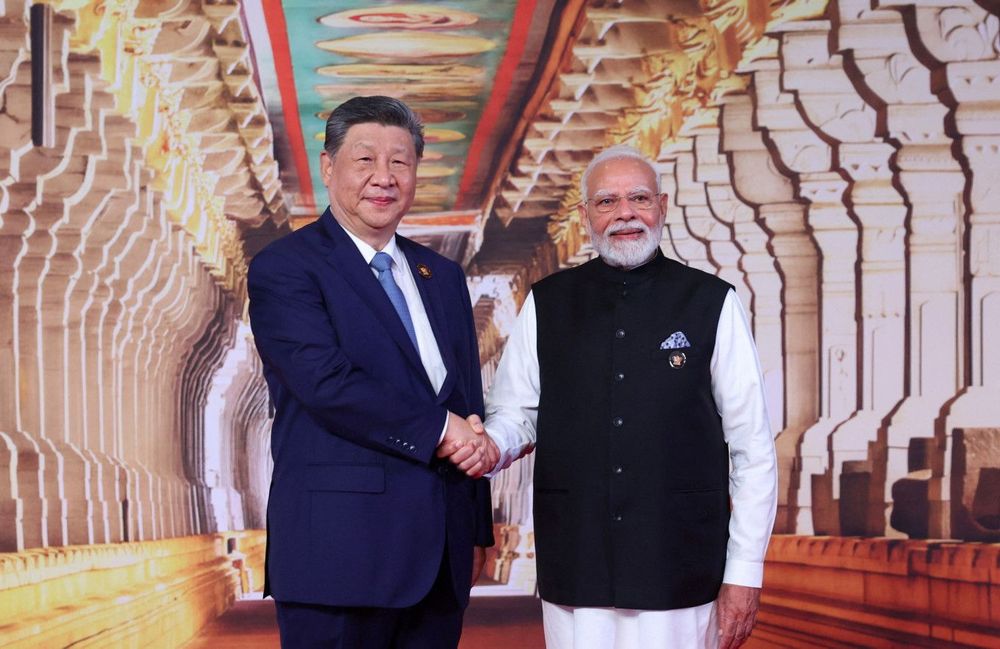
Modi and Xi commit to stronger economic ties and border stability at BRICS summit
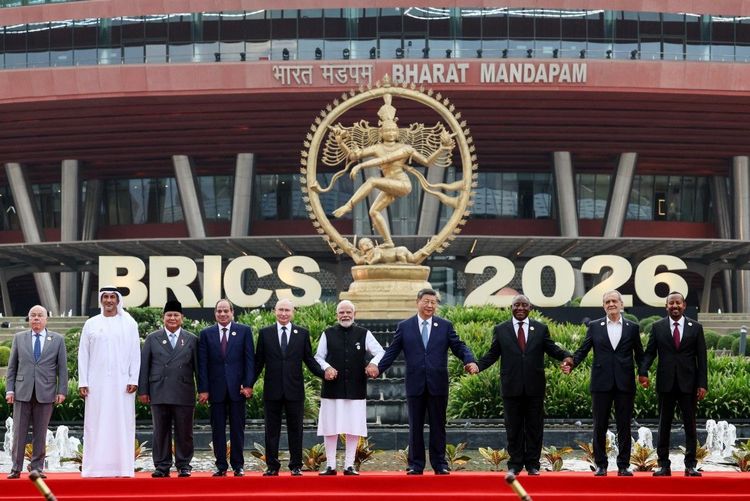
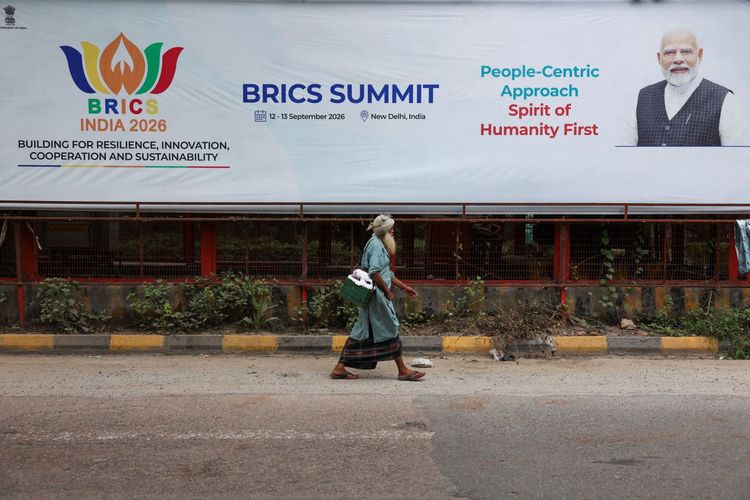
India and China pledged to strengthen economic cooperation and maintain border stability on Saturday, as leaders from both nations met for the first time in seven years at the BRICS summit in New Delhi.
Prime Minister Narendra Modi and President Xi Jinping held bilateral talks on the sidelines of the summit, which marked the first time India has hosted the expanded BRICS grouping since the organization welcomed Egypt, Ethiopia, Iran, Saudi Arabia, and the UAE in 2024. The meeting represents a significant diplomatic re-engagement following Xi's last visit to India in October 2019 for an informal summit in Chennai and Mamallapuram.
According to India's foreign ministry, the leaders emphasized the importance of promoting cultural exchanges, business linkages, and greater mobility between their countries. They specifically addressed concerns over structural trade imbalances, supply chain issues, and market access facilitation.
The commitment to revive economic ties comes as bilateral trade reached a record $155.6 billion in 2025, according to Chinese customs data. China has become India's largest import source, accounting for approximately 15-18% of India's total imports, with Indian purchases reaching about $132 billion in the 2025/26 fiscal year. Key imports include electronics, machinery, chemicals, and pharmaceutical ingredients. However, India's exports to China remain significantly smaller, leaving New Delhi with a trade deficit exceeding $100 billion.
Business connections between the two nations have faced considerable obstacles since the border crisis. Following the Galwan Valley clash in June 2020, which killed 20 Indian and four Chinese soldiers in the deadliest confrontation in over four decades, India imposed sweeping restrictions on Chinese investments. New Delhi banned over 200 Chinese mobile applications, including TikTok and WeChat, and introduced additional scrutiny for Chinese foreign direct investment. Companies in both countries continue to report hurdles including red tape, visa delays, and restrictions on selling industrial equipment.
Border tensions ease but challenges remain
The relationship between the nuclear-armed neighbors, which together account for over 35% of the world's population and approximately 18% of global GDP, began improving at the end of 2024 when both countries agreed to end their military stand-off in the western Himalayas. Following an October 2024 disengagement agreement, troops withdrew from friction points in eastern Ladakh, including Pangong Tso lake and the Gogra-Hot Springs area, though tens of thousands of soldiers remain deployed on both sides.
Modi emphasized that peace in border areas remains essential for the continued development of bilateral relations, according to the Indian statement. Xi, as reported by state-run Xinhua news agency, said China has always viewed and developed relations with India from a strategic and long-term perspective.
The Chinese president noted that institutional exchanges between the countries are gradually being restored, cooperation areas are expanding, and bilateral trade has reached new heights.
Despite the warming atmosphere, irritants persist. Both nations maintain substantial military deployments in the Himalayas, and border negotiations progress slowly. The roughly 3,800-kilometer-long Line of Actual Control, the de facto border largely unmarked since the brief but brutal 1962 war, has multiple areas where both nations hold differing perceptions of boundary lines. This includes regions in Ladakh, Arunachal Pradesh, and Sikkim, where periodic standoffs continue to occur.
The 1962 Sino-Indian War, which lasted approximately one month from October to November, resulted in China capturing significant territory in eastern and western sectors, though China later withdrew from some areas, leaving the fundamental border dispute unresolved.
The BRICS summit in New Delhi focused on multipolarity, economic cooperation, and reform of global financial institutions, providing a neutral venue for the two leaders to rebuild one of the most significant bilateral relationships in international affairs.