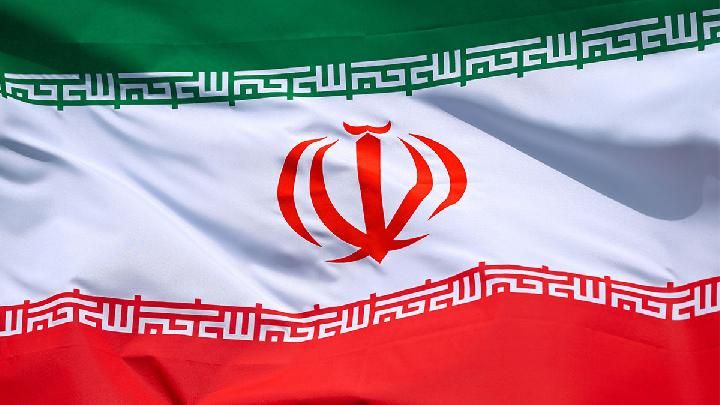
Iran Denies Trump's Allegations of Planned Attacks on US Cities
Iran's government has strongly rejected President Donald Trump's allegations regarding potential attacks on U.S. cities, characterizing the claims as unfounded election campaign rhetoric with no basis in reality.
Kazem Jalali, Iran's Ambassador to Russia who has held the position since November 2019 under three successive Iranian presidents, told the TASS news agency on Wednesday that Trump's warnings about possible destruction of American cities are entirely without merit.
"Mr. Trump's allegations about the possible destruction of American cities are completely unfounded, unrealistic, and amount to nothing more than campaign rhetoric," Jalali stated in the interview.
Iran Emphasizes Defensive Military Posture
The ambassador emphasized that Iran's military doctrine centers on defense and deterrence, noting the country has never initiated armed conflict. However, he pointed to Iran's substantial military capabilities, which include the largest ballistic missile stockpile in the Middle East with ranges reaching up to 2,000-2,500 kilometers.
"Iran's capabilities and missile power are an indisputable, undeniable, and frightening fact," Jalali explained, adding that he suspects Trump is attempting to deflect from domestic political challenges and settle scores with Democratic opponents in California.
Background of Ongoing Tensions
The comments come against the backdrop of ongoing tensions following military operations that began in February 2026, when the United States and Israel launched strikes against Iran in operations code-named Epic Fury and Roaring Lion. Despite a ceasefire agreement reached in April and a Memorandum of Understanding signed in June, the diplomatic accord collapsed and formally expired in August amid renewed hostilities.
Trump's original remarks, delivered at an October 7 rally, suggested that Iran taking out Los Angeles or San Diego would constitute "a small price to pay" to prevent Iran from obtaining nuclear weapons. The comments drew bipartisan criticism, including from California Governor Gavin Newsom, a potential 2028 presidential contender, who called Trump "deranged" and declared that no American city is expendable.
Foreign Ministry Response
Esmaeil Baqaei, Iran's Foreign Ministry Spokesperson appointed in October 2024 after serving as the country's Permanent Representative to the United Nations Office in Geneva from 2018 to 2022, expanded on Tehran's response via social media platform X.
"To frighten their own people, they conjure up an imaginary enemy in the sky to overshadow the real threat on the ground," Baqaei wrote, arguing that the genuine danger stems from what he called an illegal war with global consequences rather than from external threats.
Baqaei characterized Trump's willingness to describe the destruction of Los Angeles and San Diego as "a small price to pay" as a textbook example of fear-based politics designed to distract citizens from substantive issues.
"This is a textbook example of the politics of fear: frightening people with an imaginary threat, portraying the destruction of their own cities as an acceptable price to pay, and diverting their attention from the real danger," the spokesperson asserted.
Political Context
The Iranian rebuttals come as the United States approaches midterm elections scheduled for November 3, 2026. Trump has stated the U.S. will not resume strikes on Iran before the elections, citing concerns about high gas and grocery prices affecting voters.
The exchange underscores the continued deterioration of U.S.-Iran relations following the collapse of diplomatic efforts earlier this year and the persistence of military tensions in the region.