Congress approves comprehensive Russia sanctions package targeting energy and defense sectors
The United States Congress has approved comprehensive sanctions legislation targeting Russia's war economy, marking the most significant American legislative action against Moscow since President Donald Trump's return to the White House.
The Republican-controlled House of Representatives passed the measure Wednesday by a vote of 262-159, following Senate approval last month by 86-11. Trump has indicated he will sign the legislation into law.
The package takes aim at Russia's energy and defense industries, President Vladimir Putin and senior officials, and Moscow's so-called shadow fleet of tankers used to circumvent existing restrictions. This shadow fleet comprises an estimated 600-1400 aging vessels that operate with minimal insurance and often obscured ownership to evade sanctions, creating environmental and safety hazards alongside their economic function.
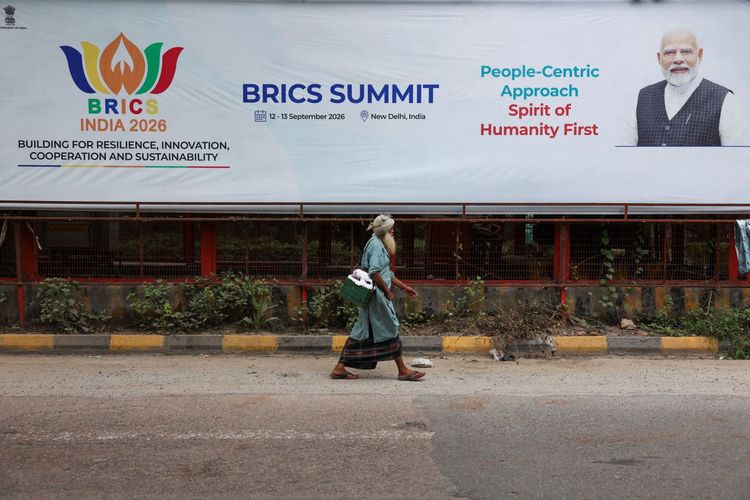
A particularly significant provision grants Trump authority to impose tariffs as high as 100 percent on nations purchasing substantial quantities of Russian oil and gas. China and India, which together account for approximately 60 percent of Russia's seaborne crude oil exports in 2025-2026, represent the primary markets that could face such measures. Russia's energy exports generated roughly $180-200 billion in revenue during 2025, providing crucial funding for military operations in Ukraine.
Bipartisan tensions over tariff powers
The sweeping tariff authority created an unusual rift among Democrats, who broadly support Ukraine but expressed concern about expanding Trump's trade powers. Gregory Meeks, the ranking Democrat on the House Foreign Affairs Committee, characterized the bill as "deeply flawed."
"White House lawyers drafted the current text to maximize President Trump's authority to impose new import taxes on the American people, and to minimize any obligation to actually impose new sanctions on Russia or its enablers," Meeks stated. He indicated willingness to support the measure if secondary tariff provisions were removed, though Republicans rejected such amendments.
Despite these objections, numerous Democrats voted for the legislation, offsetting opposition from a handful of Republicans who opposed the sanctions on free-market or non-interventionist grounds.
Historical context and pressure campaign
The sanctions build upon previous Western measures that began in 2014 following Russia's annexation of Crimea, with major escalations after the February 2022 full-scale invasion of Ukraine. Supporters argue intensified economic pressure remains necessary as the conflict enters its fifth year without resolution.
Ukrainian President Volodymyr Zelensky advocated for the package during a July visit to Washington, meeting with Trump to emphasize the need for greater pressure on Moscow. "So now Putin is losing 30,000 his soldiers per month... it's many losses, but he doesn't want to stop this war," Zelensky said. "So now initiative [is] not in the hands of Putin." Western intelligence agencies estimate total Russian casualties at 400,000-600,000 killed and wounded since February 2022, though these figures are disputed and Russia does not regularly release casualty data.
The legislation also targets companies and foreign actors supporting Russia's military capabilities and extends sanctions involving Iran.
Legislative journey and timing
The bill's sponsor, Senator Lindsey Graham, who died in July at age 71, had championed the legislation since April 2025. Graham had been a prominent voice on foreign policy and national security issues for decades.
Trump typically prefers maintaining control over sanctions and tariff policy rather than accepting congressional mandates, contributing to delays exceeding one year. Wednesday's vote occurred just before House members departed Washington to campaign for November's midterm elections, which will determine control of both chambers for the final two years of Trump's term.
"Once the bill is quickly signed and becomes law, we hope for strong US enforcement to finally end the cash flows to the Kremlin's war chest," said Svitlana Romanko, executive director of Ukrainian energy advocacy group Razom We Stand. "Every day of delay is a day we in Ukraine must bury more people."
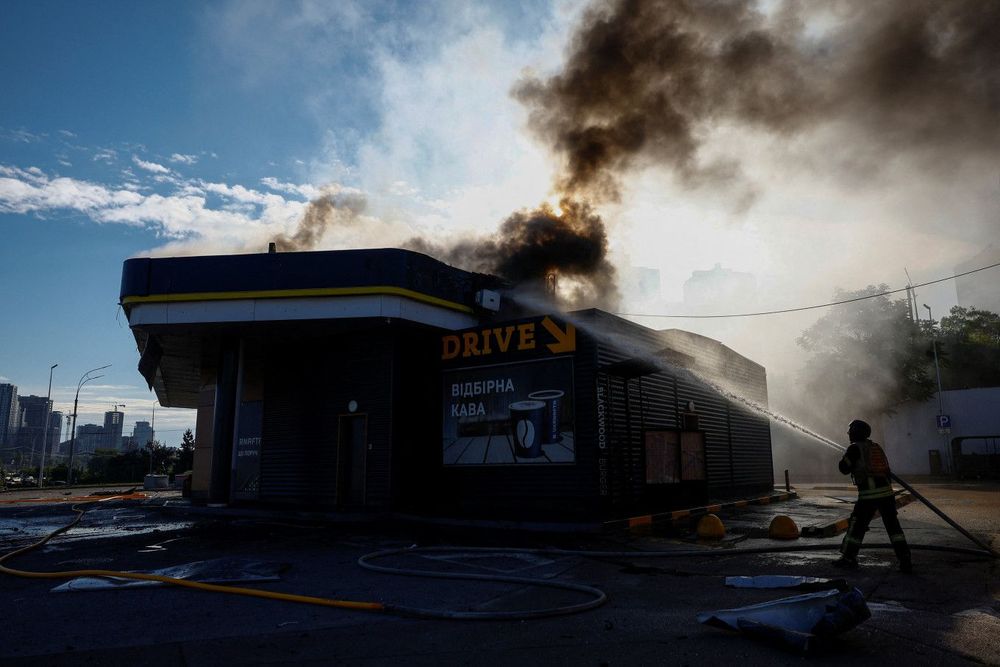
The Wednesday drone strikes in southern Ukraine that killed five people, part of an intensified Russian aerial campaign targeting energy infrastructure ahead of winter, underscored the continued urgency of the conflict driving the sanctions effort.