Rallies restored for the final weekend
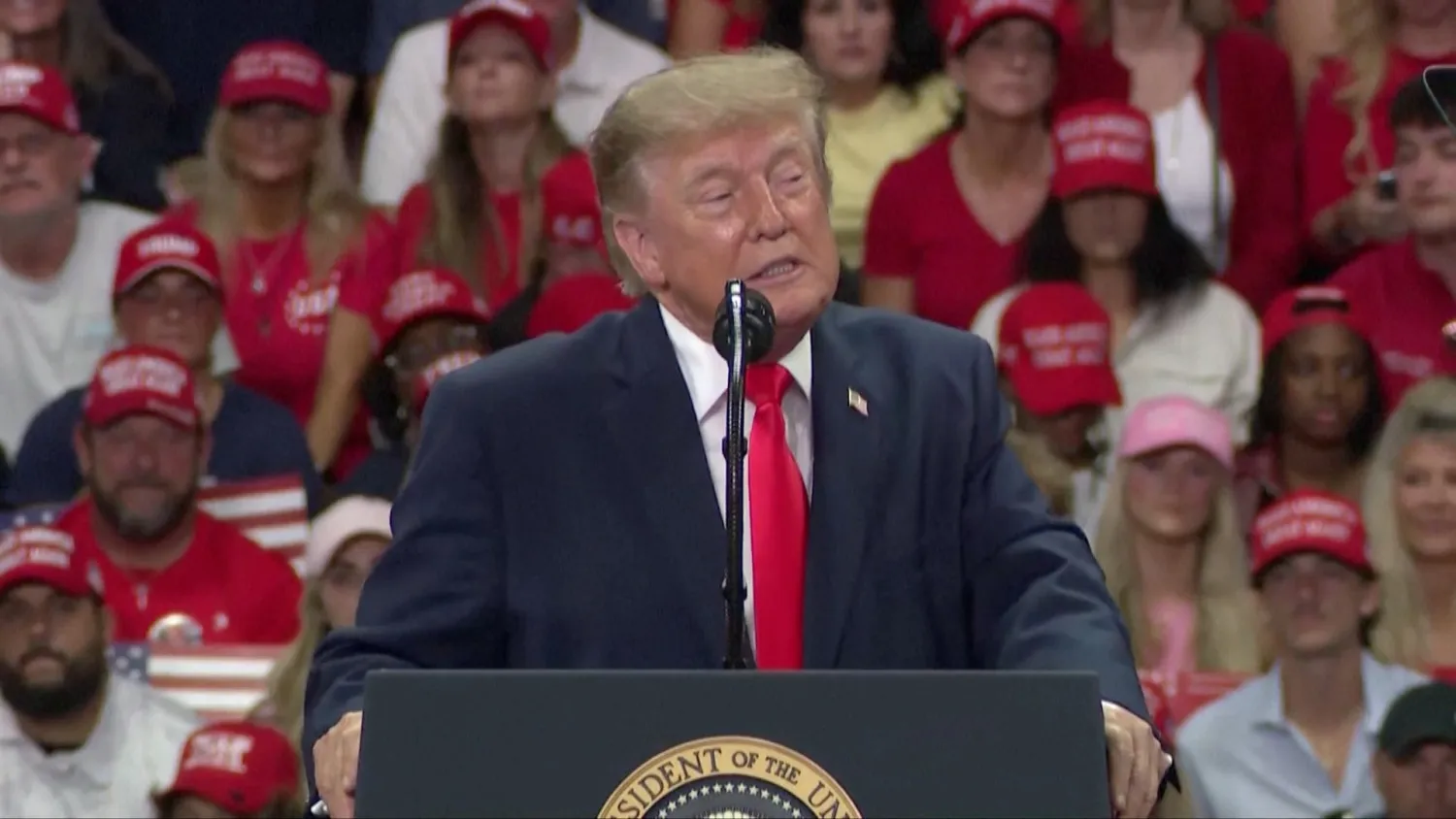
Trump reversed a decision to cancel weekend rallies in Kansas and Iowa, Al Jazeera reported. The White House confirmed that both would take place Sunday, November 1. The events had been canceled Thursday in favor of nearly 20 telephone campaign events.
Voting was already well underway. An Associated Press analysis released October 30 put the number of Americans who had voted in person early or returned mail ballots at more than 43 million five days before Election Day. According to Al Jazeera's account of the analysis, that exceeded the tally at the equivalent point in the 2022 midterms by nearly 10 million.
The seats that will decide control
The election is scheduled for Tuesday, November 3, 2026. All 435 voting House seats and 35 of the Senate's 100 seats will be on the ballot, with those elected becoming part of the 120th US Congress, according to a European Parliamentary Research Service (EPRS) briefing.
Republicans hold a 53-47 Senate majority. Democrats need a net gain of four seats to reach the 51-seat threshold for control, the EPRS says. Of the seats being contested, Republicans are defending 22, including 20 regular-election seats and two seats subject to special elections in Florida and Ohio. Democrats are defending 13.
The House margin is narrower: the Republican side holds a 219-214 advantage, counting one independent who caucuses with the party. Two seats are vacant, according to the briefing.
Polling and the midterm record
Democrats led Republicans 51.4% to 43.2% in RealClearPolling's national congressional ballot average as of October 31, Al Jazeera reported. That put the gap at 8.2 percentage points.
The EPRS briefing placed Trump's job approval at 39% in mid-September, linking that rating to voters' concerns ahead of the election.
The briefing also describes a historically difficult pattern for the party holding the presidency: it lost ground in the House in 20 of the past 22 midterm elections dating to 1938. The exceptions were 1998, during President Clinton's impeachment, and 2002, following the September 11, 2001, attacks. EPRS characterized both as unusual circumstances.