Rubio issues a summary of the talks
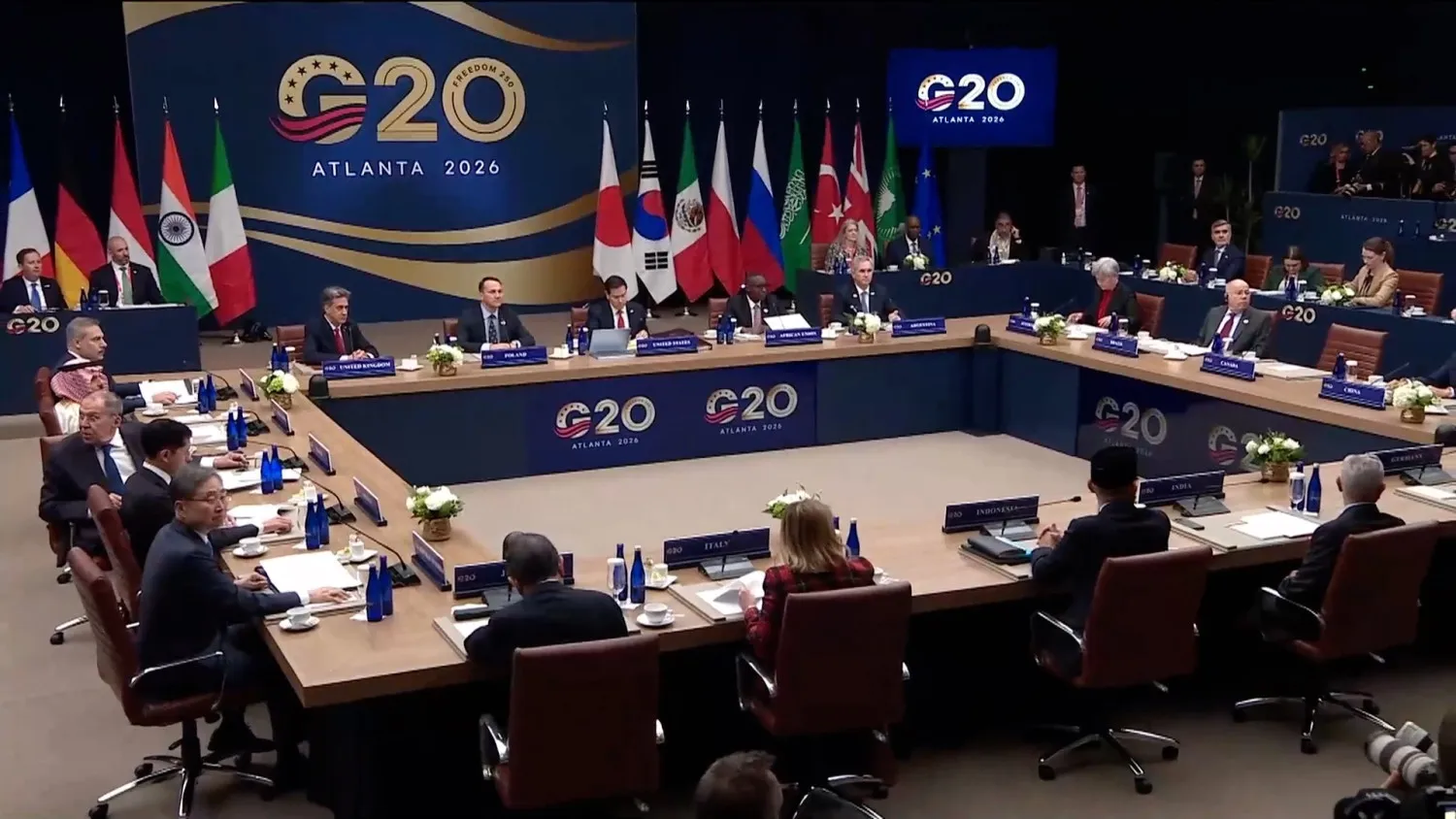
U.S. Secretary of State Marco Rubio released a chairman's statement after the October 30-31 meeting rather than a communiqué agreed upon by the group. According to Associated Press reporting carried by PBS NewsHour, the document identified priorities including energy security, food security and freedom of navigation, but did not cite any agreements reached.
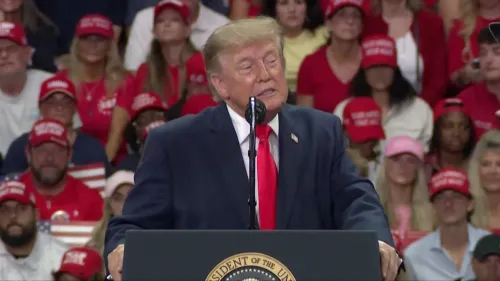
Despite the divisions, diplomats said they had agreed to work toward a successful G20 leaders' summit. President Donald Trump is scheduled to host that gathering at his Miami golf club in December 2026.
Ukraine divisions extend beyond the negotiating table
Objections to Russian Foreign Minister Sergey Lavrov's presence also disrupted the meeting's customary group photo. U.S. hosts canceled it after several European diplomats threatened to skip the photograph or walk out rather than pose with him, AP reported.
Diplomats characterized Russia's stance on Ukraine as unyielding and said Moscow also opposed Poland joining the G20.
Speaking on October 31, Rubio expressed uncertainty about whether negotiations could produce peace in Ukraine. He said nobody at the meeting was suggesting that a negotiated settlement was imminent.
A day earlier, the State Department announced its approval of a proposed sale to Ukraine of Patriot air defense interceptors worth $2.1 billion.
South Africa and Ukraine left off the invitation list
Ukraine did not receive an invitation to Atlanta, although it had attended previous meetings as a guest. U.S. officials said they had deliberately limited invitations to formal G20 members; Ukraine is not a member.
South Africa was also not invited, despite being a founding G20 member and the group's only African country. Phindile Kunene, spokesperson for South African Foreign Minister Ronald Lamola, said the country's nonparticipation "is not voluntary."
Separate Asia-Pacific statement uses U.S. terminology for AI
While the full G20 meeting produced no joint communiqué, Rubio's talks with Asia-Pacific ministers resulted in a separate joint statement. It used the term "Super Intelligence (SI)" six times in discussing economic growth.
A footnote explained that Australia, India and Japan use "artificial intelligence" for what the document called "Super Intelligence." Trump had renamed AI during the UN General Assembly in September 2026 and directed the U.S. government to adopt the term. No other country has taken that step.