Indonesia pledges support for India's BRICS chairmanship ahead of New Delhi summit
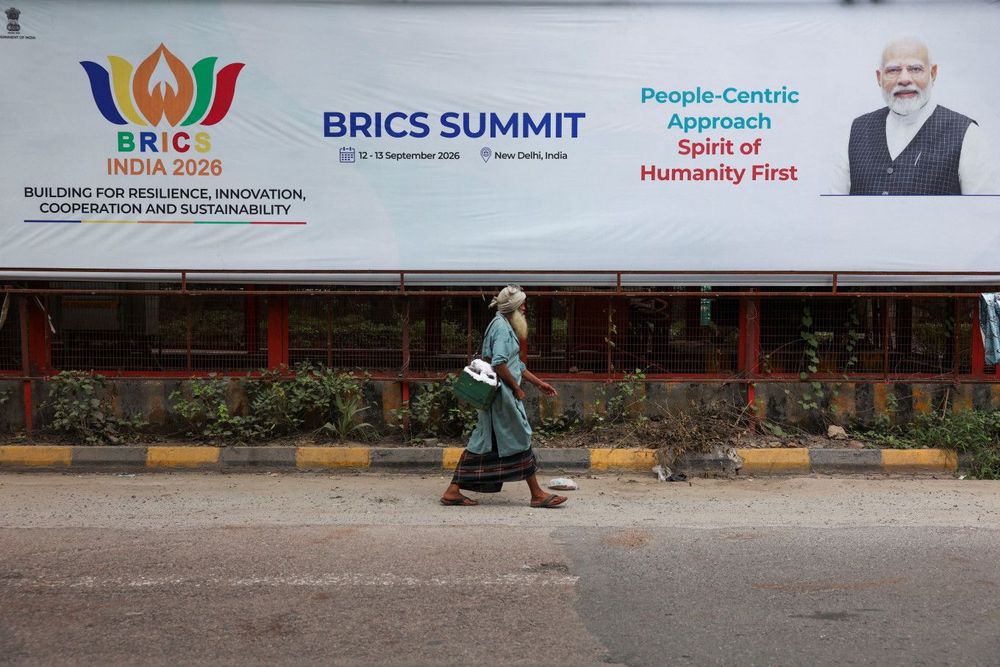
Indonesia has expressed strong support for India's chairmanship of BRICS as the grouping prepares for its 18th summit in New Delhi, scheduled for September 11-13, 2026. As the bloc's newest full member and the first from Southeast Asia, Indonesia is positioning itself as a key partner in advancing BRICS priorities amid growing global fragmentation.
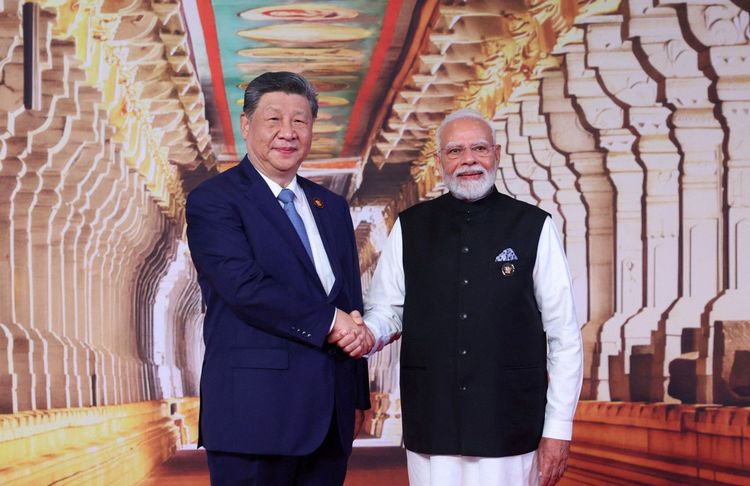
India assumed the BRICS chairmanship on January 1, 2026, marking its fourth time leading the grouping after previous terms in 2012, 2016, and 2021. Under the theme "Building for Resilience, Innovation, Cooperation and Sustainability," unveiled by External Affairs Minister S. Jaishankar on January 13, India has organized over 350 meetings and high-level engagements across more than 25 cities to strengthen the strategic partnership.
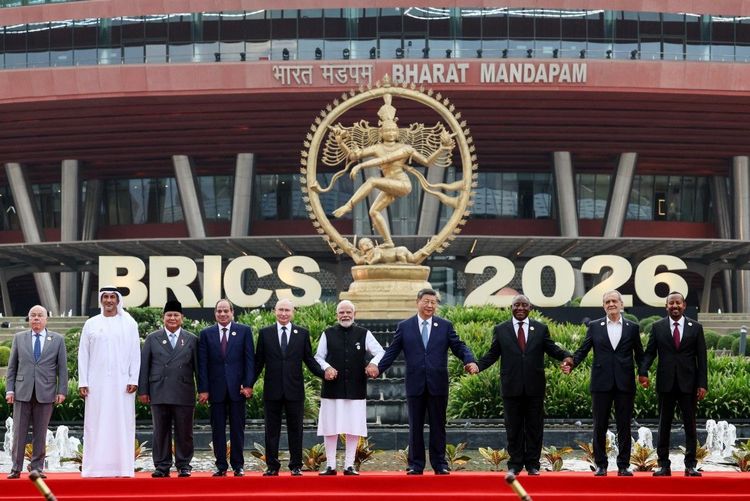
The upcoming summit will take place at Bharat Mandapam in New Delhi, with September 11 dedicated to the BRICS Business Forum, followed by the Leaders' Summit on September 12-13.
Indonesia's historic BRICS membership
Indonesia formally joined BRICS as a full member on January 6, 2025, becoming the first Southeast Asian nation to enter the bloc. The membership, initially approved at the Johannesburg Summit in August 2023, was delayed due to Indonesia's presidential election in February 2024. President Prabowo Subianto finalized the accession shortly after taking office in October 2024, prioritizing BRICS membership as a foreign policy objective.
Prabowo attended the BRICS summit in Rio de Janeiro, Brazil, on July 6-7, 2025, where he urged member states to revive the Bandung Spirit in confronting global tensions and trade conflicts.
Foreign Ministry special staffer for multilateral policy Tri Tharyat noted that BRICS was founded on the principle that countries outside traditional centers of power deserve a voice in global decision-making. The grouping's foreign ministers first gathered on the margins of the United Nations General Assembly in September 2006 to advance this proposition.
Expanded membership and economic weight
BRICS now consists of 11 full member countries: Brazil, Russia, India, China, South Africa, Egypt, Ethiopia, Iran, Saudi Arabia, the United Arab Emirates, and Indonesia. The bloc has also established 10 partner countries in 2025, including Belarus, Bolivia, Cuba, Kazakhstan, Malaysia, Nigeria, Thailand, Uganda, Uzbekistan, and Vietnam.
Collectively, BRICS member countries account for approximately 40 percent of global GDP measured at purchasing power parity and represent roughly half of the world's population in 2026. This economic heft underscores the bloc's growing influence as an alternative voice in international affairs.
Addressing global fragmentation
Tharyat emphasized that the world has become increasingly fragmented, with countries unilaterally establishing trading rules and reconfiguring global supply chains based on political considerations rather than economic comparative advantage. He argued that BRICS offers a platform for countries to pursue cooperation outside traditional Western-dominated institutions.
Indonesia's support for India's chairmanship reflects Jakarta's commitment to advancing BRICS cooperation across the grouping's three core pillars: political and security cooperation, economic and financial cooperation, and people-to-people exchanges. Indonesian officials have indicated particular interest in governance reform and ensuring technology serves as a public good rather than a tool of geopolitical competition.
Access to development financing
As a BRICS member, Indonesia gains access to the New Development Bank, established by the bloc in 2015 and headquartered in Shanghai. The NDB has approved $42.9 billion across 139 projects as of April 2026, providing an alternative channel for infrastructure financing. Indonesia and Ethiopia are currently under review for NDB membership, which would further integrate Jakarta into BRICS financial mechanisms.
The upcoming New Delhi summit is expected to produce concrete outcomes on expanding economic cooperation, strengthening financial institutions, and coordinating positions on global governance reform. Indonesia's participation as a full member for the first time at a summit hosted by India signals the deepening partnership between the two largest democracies in their respective regions.