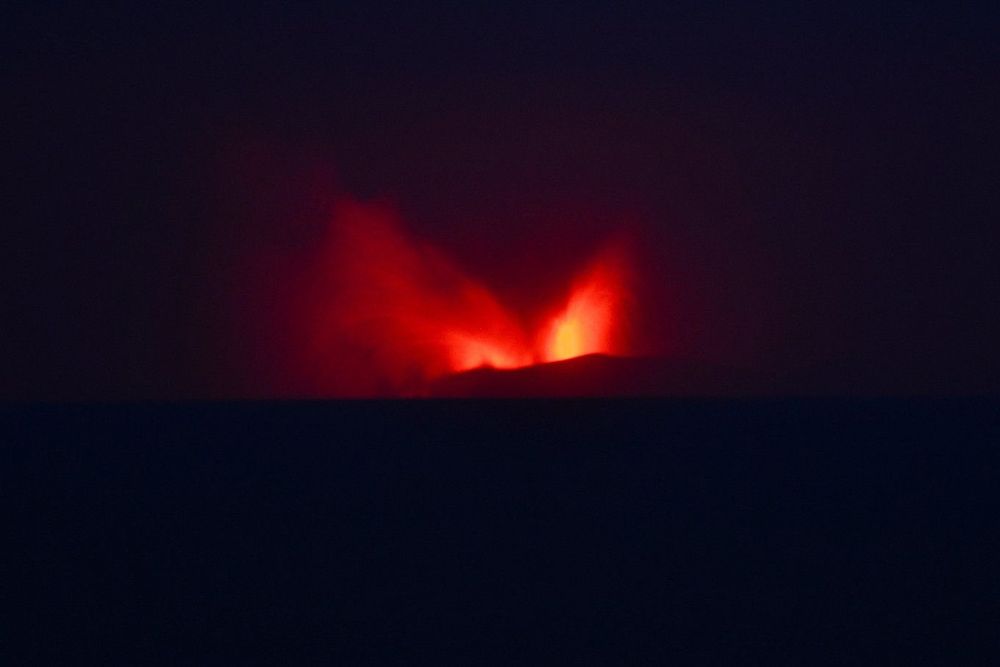
Jakarta airport halts operations as Anak Krakatau eruption blankets runways in volcanic ash
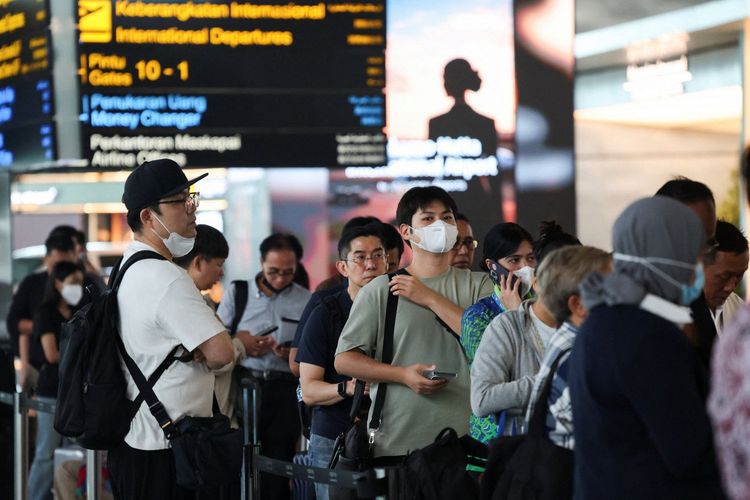
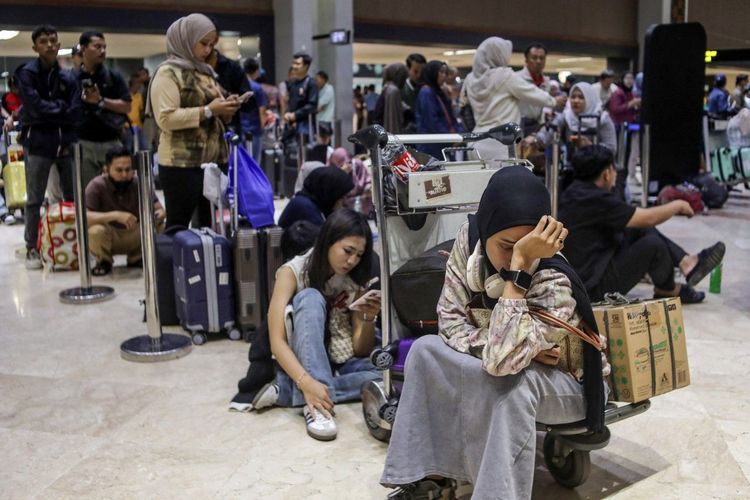
Jakarta's Soekarno-Hatta International Airport suspended all flight operations until 9:30 a.m. local time on Sunday following the detection of volcanic ash from Mount Anak Krakatau, extending an earlier halt that had been scheduled to end at 5:30 a.m., the airport announced via Instagram.
The disruption affected 33 flights, including 16 international departures and arrivals. Routes to Singapore, Hong Kong, Sydney, Seoul, Doha, Amsterdam, and Kuala Lumpur were among those cancelled, according to the Transportation Ministry.
Airport authorities confirmed the presence of volcanic ash through paper tests conducted between 12:35 a.m. and 1:05 a.m. Sunday morning. The simple but effective detection method triggered immediate safety protocols, grounding aircraft at Indonesia's busiest aviation hub.
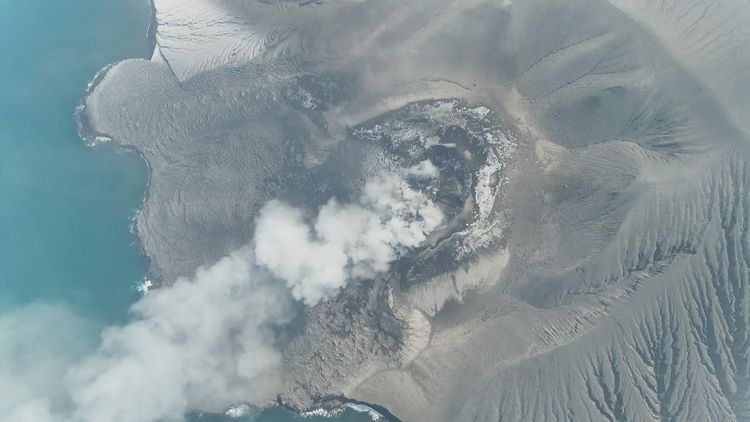
Anak Krakatau's ongoing eruption
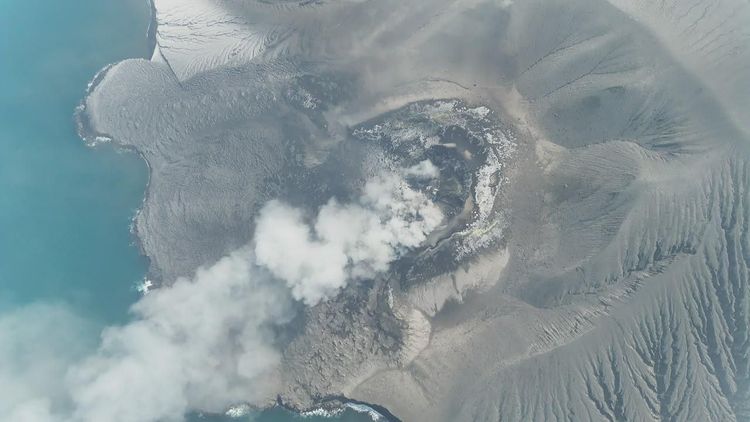
Mount Anak Krakatau, located in the Sunda Strait between Java and Sumatra approximately 100 to 160 kilometers from Jakarta, has been erupting continuously since late Friday. The volcano's proximity to the capital makes Soekarno-Hatta Airport particularly vulnerable to ash disruptions during periods of volcanic activity.
Volcanic ash poses severe hazards to aircraft operations. The fine particles can damage jet turbine engines, potentially causing flame-out, while also abrading cockpit windows and contaminating critical flight systems. These dangers necessitate strict aviation safety protocols requiring flight suspensions when ash is detected in airport airspace.
The National Disaster Mitigation Agency stated Saturday that there was no imminent tsunami risk from the current eruption, seeking to allay public concerns following the volcano's history of generating deadly waves.
Historical context and deadly legacy
Anak Krakatau emerged from the sea between 1927 and 1930, rising within the massive caldera left by the catastrophic 1883 Krakatoa eruption that killed more than 36,000 people, mostly from tsunamis. That historic blast produced the loudest sound ever recorded in human history, heard up to 4,653 kilometers away in Australia and on Rodriguez Island across the Indian Ocean.
The volcano has remained highly active since its formation, with eruptions occurring frequently over nearly a century. Authorities currently maintain the volcano at Alert Level 3 on a four-point scale, with exclusion zones of several kilometers enforced around the crater.
In December 2018, Anak Krakatau experienced a major flank collapse that triggered a devastating tsunami, killing at least 437 people and injuring over 30,000. The disaster demonstrated the volcano's continued capacity for deadly events and reinforced the importance of comprehensive monitoring and swift safety responses.
Wider implications for aviation
Indonesia sits along the Pacific Ring of Fire and contains numerous active volcanoes, making volcanic ash disruptions a recurring challenge for the country's aviation sector. The phenomenon is not unique to Indonesia—the 2010 Eyjafjallajökull eruption in Iceland grounded over 100,000 flights for six days, affecting 10 million passengers and demonstrating the severe global economic impact volcanic ash can have on air travel.
The Transportation Ministry said it would continue monitoring ash levels and coordinate with volcano observation posts to determine when safe flight operations could resume at Soekarno-Hatta.