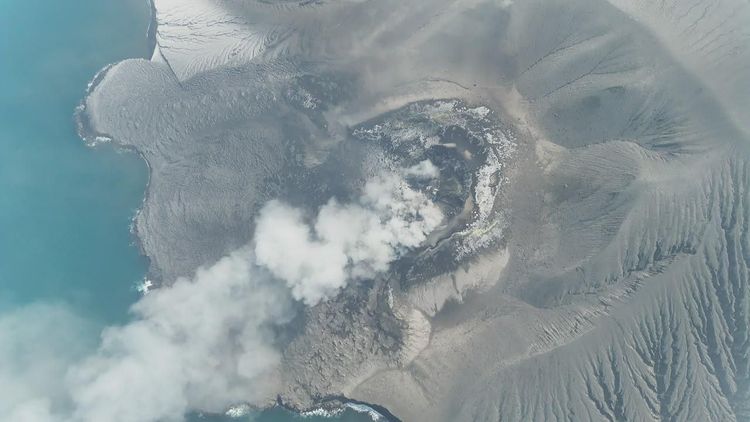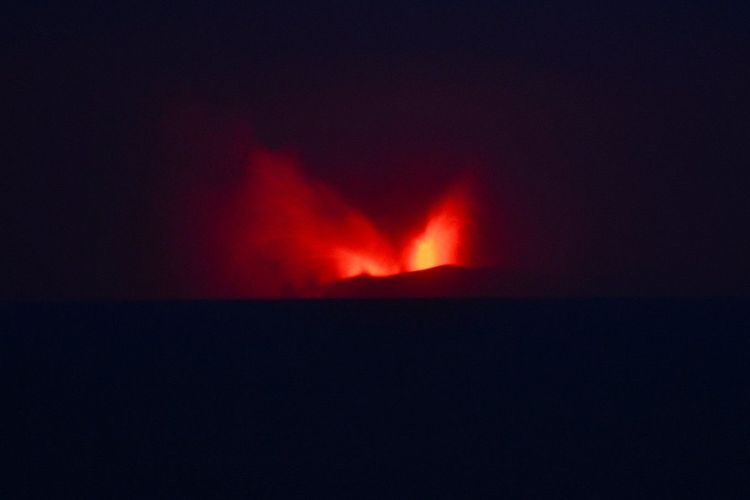
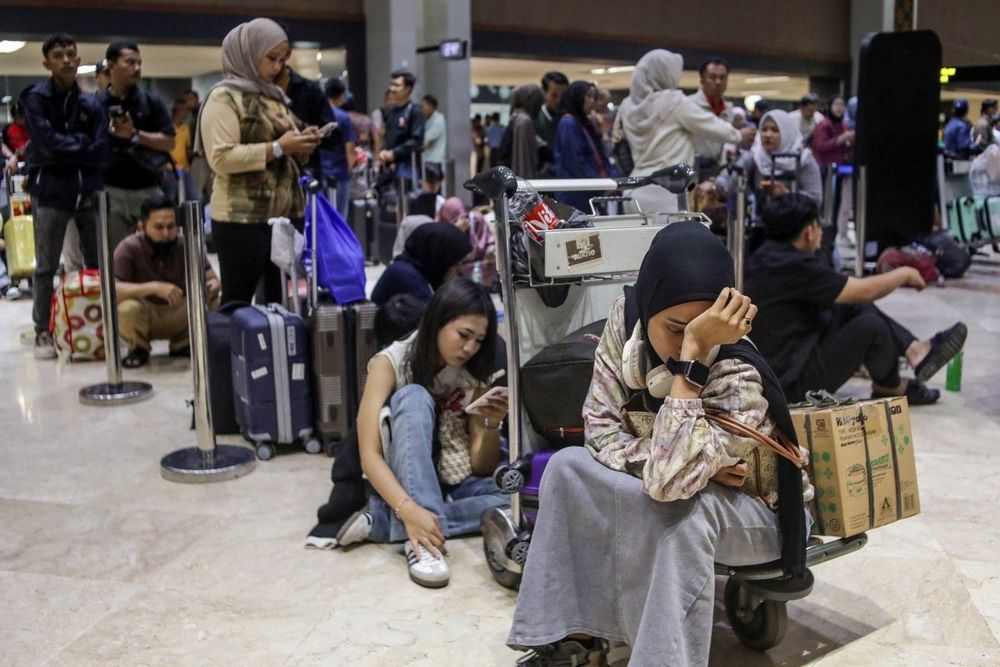
Soekarno-Hatta airport closure extended to evening as Anak Krakatau ash disrupts Southeast Asian travel hub
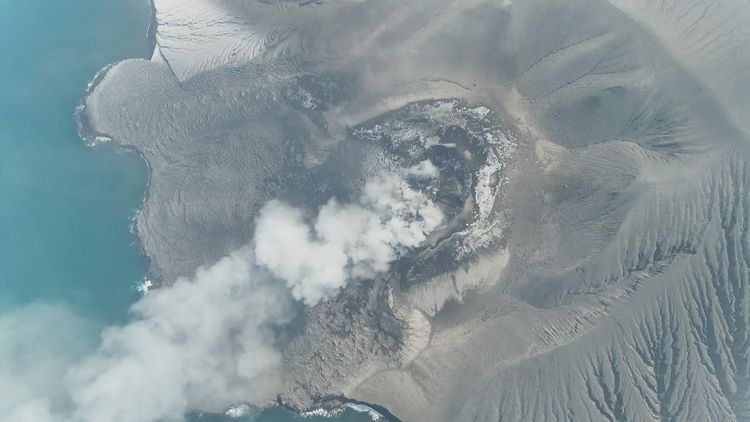
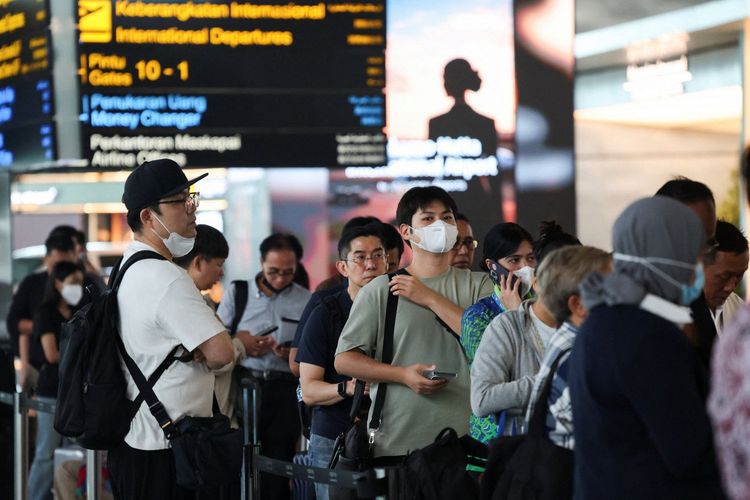
Jakarta's Soekarno-Hatta International Airport, Southeast Asia's busiest airport by aircraft movements handling over 54 million passengers annually, extended its closure until 6 p.m. Monday after volcanic ash from Anak Krakatau forced operations to halt over the weekend.
Airport operator Angkasa Pura announced that at least four airports, including the capital's main international gateway, would remain closed through the evening as eruption activity at the volcano continues. The smaller Halim Perdanakusuma airport, serving both civil and military flights, also extended its suspension.
Eight airports across the region halted operations after ash was detected in their airspace, disrupting hundreds of flights and leaving more than 170,000 passengers stranded, according to the transport ministry.
In connection with the increasing eruption activity of Mount Anak Krakatau, flight operations at several airports have been suspended; passengers are advised to regularly monitor their flight status with the respective airlines.
Aviation safety protocols and volcanic ash risks
The closures reflect strict aviation safety protocols, as volcanic ash poses severe risks to aircraft engines. The ash can melt inside jet engines operating at high temperatures, then solidify on cooler components, potentially causing engine failure. Aviation authorities enforce no-fly zones around volcanic eruptions based on advisories from the Volcanic Ash Advisory Center in Darwin, Australia, which monitors Indonesian airspace and coordinates with local authorities and international airlines.
Eruption activity and ash distribution
Indonesia's geology agency reported that eruption probability remains high through Monday morning, with the most recent Anak Krakatau eruption recorded Sunday at 8:23 p.m. The agency warned that "the threat from an eruption comes from the ejection of incandescent rocks accompanied by heavy ashfall. Another potential hazard arises from lava flows if the eruption resumes and continues."
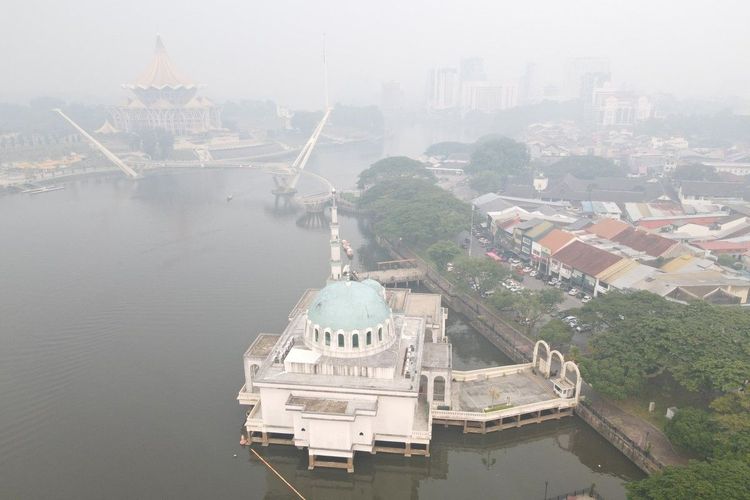
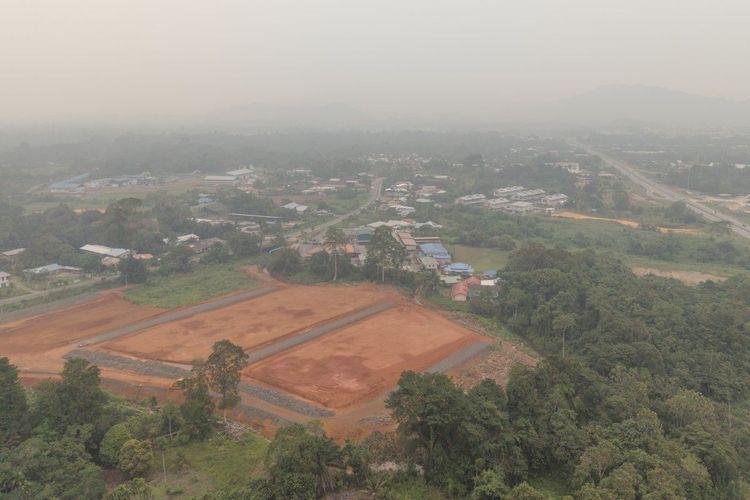
Volcanic ash reached heights of 6,000 meters on the Java side and 15,000 meters on the Sumatra side, according to the Meteorology, Volcanology and Geophysics Agency. Fine volcanic ash can remain airborne for days to weeks and travel thousands of kilometers from the source, depending on eruption intensity and weather patterns, explaining why airports far from the volcano face extended closures.
The disaster agency called for people to wear masks while traveling outdoors to avoid breathing in the ash. In Jakarta and Lampung, schools shifted to remote learning to counter health risks for students, state news agency Antara reported.
Historical context of Anak Krakatau
Anak Krakatau, meaning "Child of Krakatau" in Indonesian, sits in the Sunda Strait separating Java and Sumatra. The volcano first emerged from the sea in 1927, growing from the underwater caldera left by the catastrophic 1883 eruption of its parent volcano, Krakatau, which killed an estimated 36,000 people and affected global climate patterns. The strait serves as one of the world's busiest maritime shipping lanes, connecting the Java Sea to the Indian Ocean as a key route for vessels traveling between Asia and the Middle East when not using the Malacca Strait.
The volcano has been sporadically active since its emergence at the beginning of last century. A 2018 tsunami triggered by a collapse of parts of Anak Krakatau killed 429 people and left thousands displaced. The volcano lost approximately two-thirds of its height and volume in that flank collapse, which occurred without significant seismic warning.
Following the 2018 disaster, Indonesian authorities established a 5-kilometer exclusion zone around Anak Krakatau and upgraded monitoring equipment including seismographs, GPS stations, and webcams to provide earlier warning of volcanic activity and potential collapses.
Indonesia, located on the Pacific Ring of Fire where several tectonic plates converge, has 127 active volcanoes—more than any other country. Approximately 5 million Indonesians live within zones considered at risk from volcanic activity.