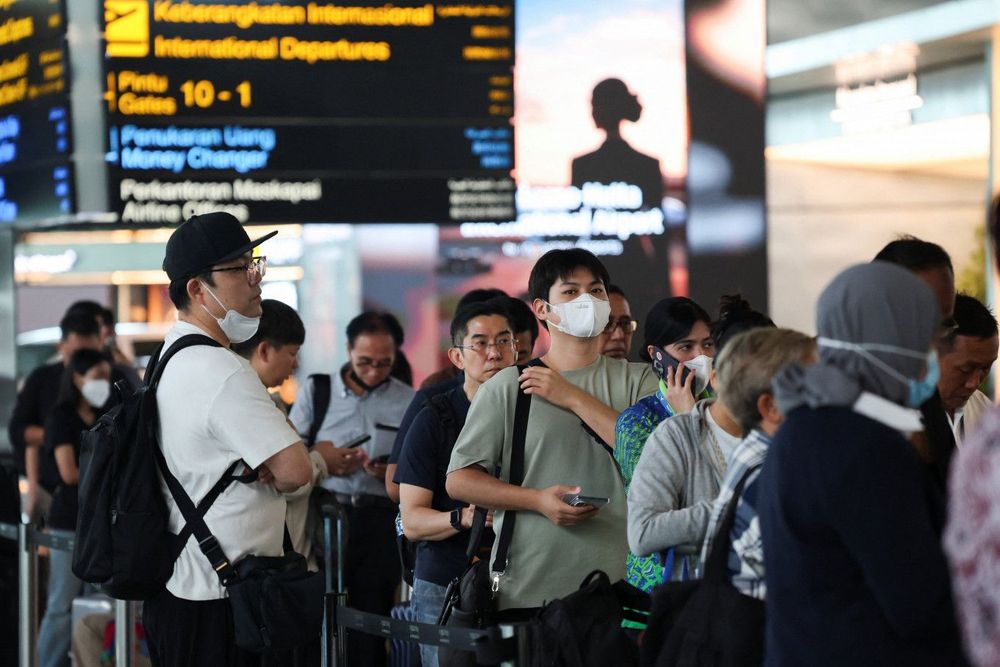
Jakarta's Soekarno-Hatta airport remains closed as volcanic ash from Anak Krakatau grounds flights
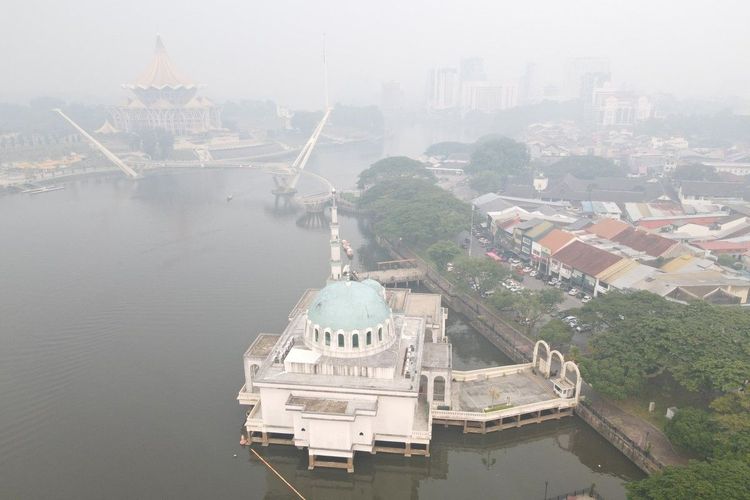
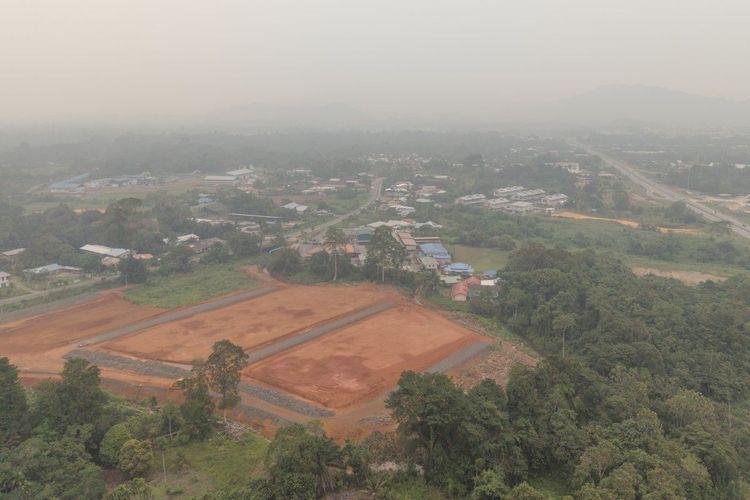
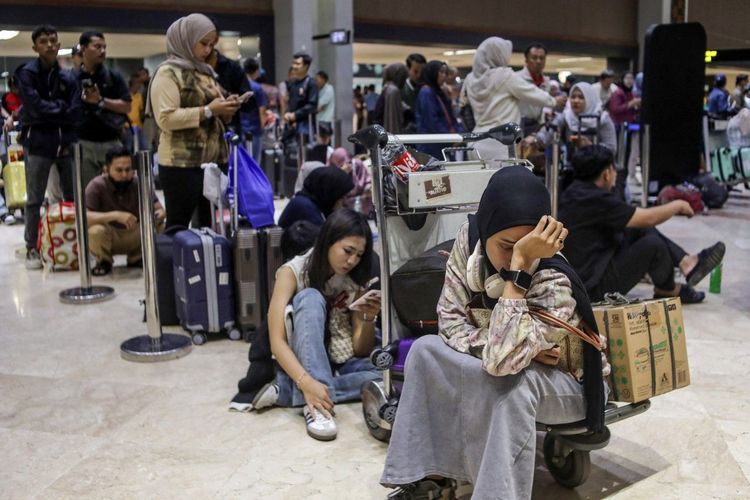
Indonesia's Soekarno-Hatta International Airport and three other facilities postponed reopening on Monday after volcanic ash from Mount Anak Krakatau continued to blanket the region, leaving hundreds of thousands of passengers stranded and disrupting air travel across the archipelago.
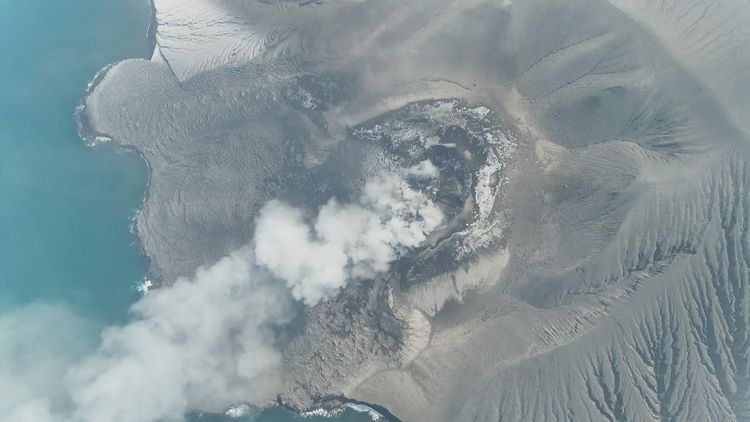
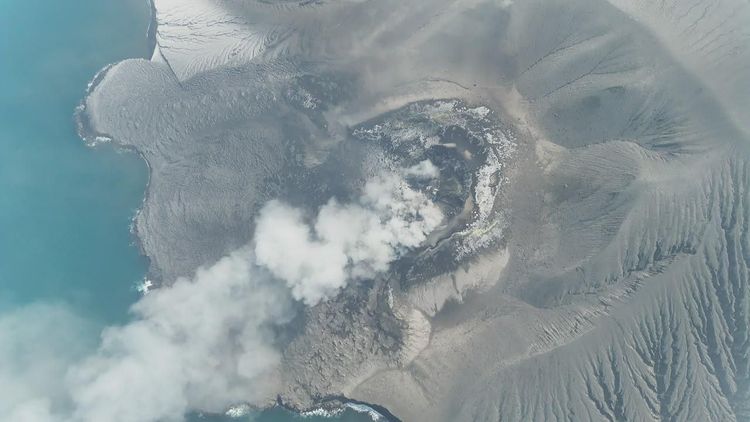
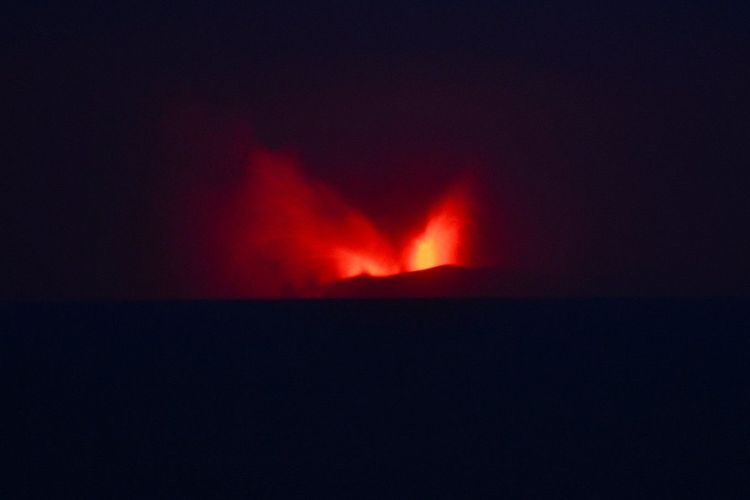
The volcano, located approximately 150 kilometres from Jakarta in the Sunda Strait, erupted Saturday with a dramatic fountain of lava and towering ash plume that has since forced the closure of eight airports. The Transportation Ministry reported that more than 270,000 passengers have been affected by cancelled, delayed or diverted flights since operations halted.
Airport Closure Extended
Soekarno-Hatta, Southeast Asia's third-busiest airport with an annual capacity of 56 million passengers, extended its closure from Monday morning until 6:00 pm local time. The facility had been on track to expand capacity to 90 million passengers through terminal upgrades. On Monday morning alone, more than 240 domestic and international flights were cancelled or delayed, affecting nearly 30,000 passengers.
The decision to keep airports closed reflects the serious danger volcanic ash poses to aircraft. When ash particles enter jet engines, they melt at temperatures around 1,100°C in combustion chambers, then solidify on turbine components as glassy deposits that can block critical cooling systems and potentially cause total engine failure. Between 1953 and 2009, there were 79 documented damaging encounters between aircraft and volcanic ash, including nine incidents of mid-flight engine failure, though all engines were successfully restarted.
Passengers Left Stranded
Italian tourist Michel Miegge, 32, found himself stranded with his girlfriend, their flight home cancelled with work obligations looming Tuesday.
"We don't have any news from the airline. We don't know if we stay another day in Jakarta or find another flight,"
French painter Carol Odile, 60, travelling with friends to see Komodo dragons in Flores, remained optimistic despite the disruption.
"We are disappointed, but our group is optimistic. We hope we can go to Flores Island very soon,"
Government Response
Transportation Minister Dudy Purwagandhi announced that six alternative airports in East Java, Central Java and Yogyakarta would accommodate diverted flights, with free bus services provided for passengers wishing to depart from these facilities. The government also relaxed visa rules for foreign passengers facing overstay issues due to the cancellations.
Halim Perdanakusuma, a smaller Jakarta airport serving civil and military flights, also remained closed Monday. However, one airport in south Sumatra resumed operations in the morning, offering some relief to the transportation crisis.
Further Eruptions Likely
Indonesia's geology agency warned that the probability of further eruptions remains high.
"The threat from an eruption comes from the ejection of incandescent rocks accompanied by heavy ashfall. Another potential hazard arises from lava flows if the eruption resumes and continues,"
A Volcano with a Violent History
Anak Krakatau, whose name translates to "Child of Krakatau," sits in the strait separating Java and Sumatra islands. The volcano first emerged from the ocean in 1929, rising from the caldera created by the catastrophic 1883 eruption of Mount Krakatau. That historic blast produced the loudest sound ever recorded, heard up to 4,800 kilometres away, and killed more than 35,000 people, nearly all through tsunamis rather than the eruption itself. By 2018, Anak Krakatau had grown rapidly to approximately 300 metres above sea level.
The volcano has been sporadically active since emerging last century, but its most devastating recent event occurred in December 2018 when a flank collapse triggered a tsunami that killed at least 437 people, injured over 14,000 and displaced more than 33,000 residents along the Sunda Strait. The disaster proved particularly deadly because it struck without warning—the landslide-generated wave was not preceded by an earthquake, the standard trigger for tsunami warning systems, leaving coastal communities completely unprepared.
Expert Analysis and Ongoing Risks
Renowned volcano expert Surono told reporters that flying remains dangerous due to sulphur and silica-laden ash that could damage plane engines, compounded by severely reduced visibility.
"For Anak Krakatau, the recent eruption was unusual,"
The volcano monitoring agency recorded the most recent eruption Sunday at 8:23 pm, with officials maintaining that further eruptions in coming periods remain highly probable.
Indonesia faces unique volcanic challenges as home to approximately 130 active volcanoes out of 500 total—the highest number of any country worldwide. The archipelago's location on the Pacific Ring of Fire, where multiple tectonic plates converge, makes it exceptionally vulnerable to seismic and volcanic activity.
The current disruption echoes the 2010 Eyjafjallajökull eruption in Iceland, which grounded more than 100,000 flights over six days and caused airlines approximately 1.7 billion dollars in losses, with global economic damage estimated at nearly 5 billion dollars. Indonesian authorities appear determined to avoid similar prolonged disruption while prioritizing passenger safety in their response to the Anak Krakatau event.