Jakarta's main airport resumes operations after days-long volcanic ash shutdown
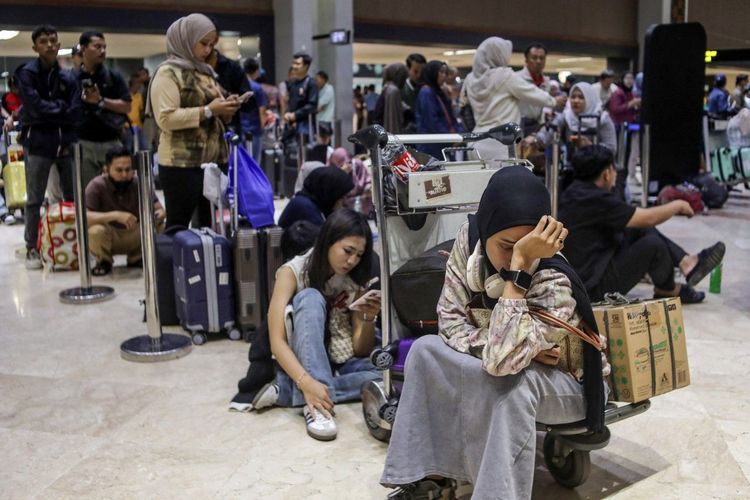
Indonesia's primary international gateway and several regional airports resumed flight operations early Tuesday morning after volcanic ash from Mount Anak Krakatau forced a days-long shutdown that disrupted nearly 3,000 flights and left hundreds of thousands of travelers stranded across the archipelago.
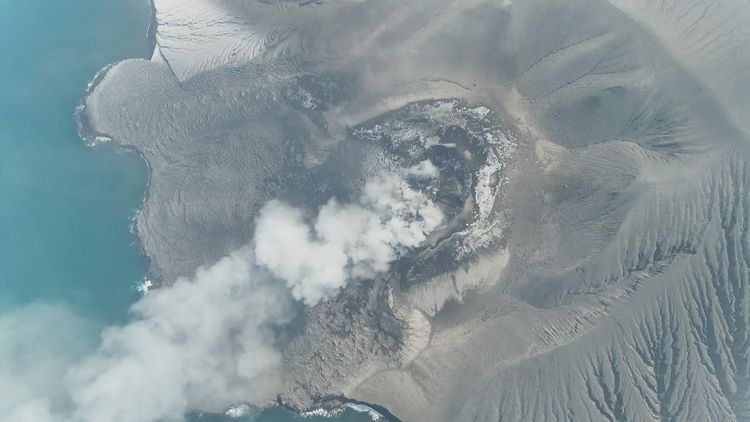
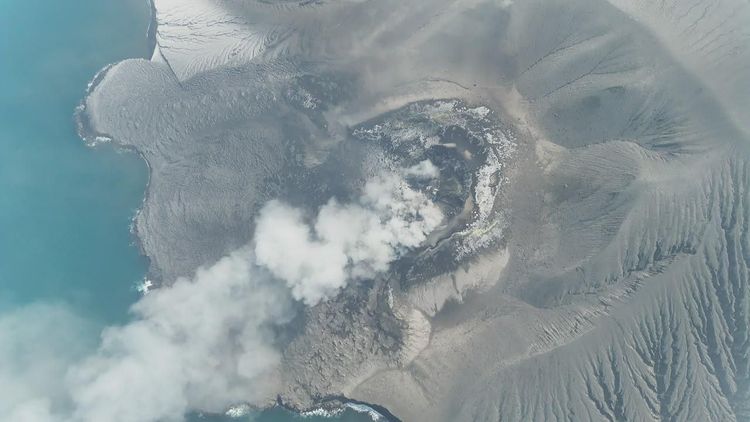
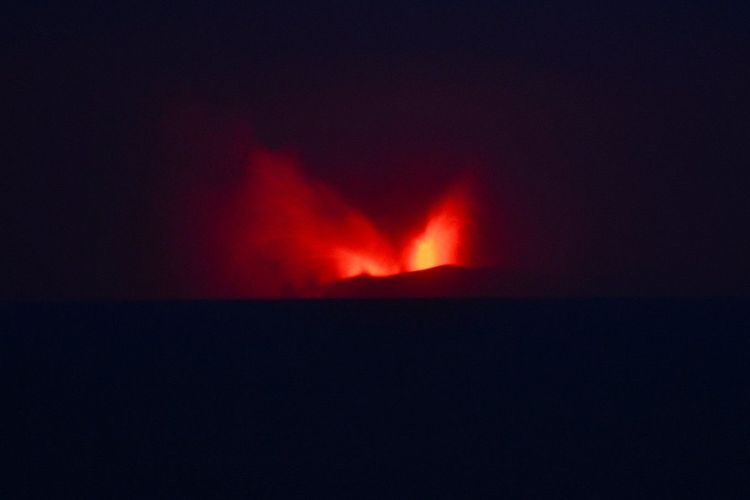
The Transport Ministry confirmed via Instagram that Soekarno-Hatta International Airport, which handles over 66 million passengers annually, has reopened alongside four other airports near Jakarta and across Java island. The announcement marked the end of an air travel crisis that began Saturday when the volcano, located approximately 150 kilometers from the capital, erupted with a fountain of lava and massive ash plume.
Following the current volcanic eruption activity of Mount Anak Krakatau, Soekarno-Hatta International Airport has resumed flight operations.
The closures affected eight airports over the weekend after ash was detected in their airspace, creating what aviation authorities described as severe safety risks. Volcanic ash poses a critical threat to aircraft because it can melt inside jet engine combustion chambers and form glass deposits, potentially causing engine failure. This technical danger explains why aviation authorities implement immediate flight restrictions when ash is detected, rather than treating closures as merely precautionary measures.
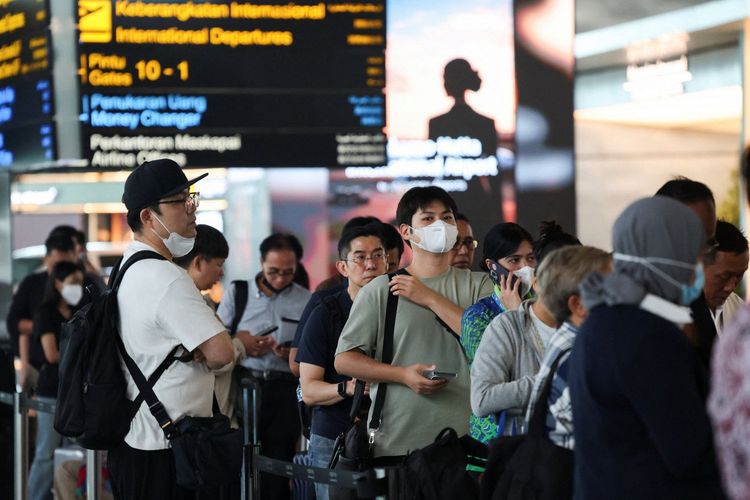
Ministry data released Monday showed that more than 340,000 passengers were stranded during the shutdown. On Monday morning alone, nearly 30,000 passengers faced cancelled or delayed flights at Soekarno-Hatta airport, with more than 240 domestic and international flights affected.
Airlines now confront the complex logistical challenge of rebooking stranded passengers and repositioning aircraft after days of operational chaos. The aviation industry estimates that volcanic ash disruptions cost carriers millions of dollars daily in lost revenue, compensation payments, and operational expenses.
The reopened facilities include Halim Perdanakusuma, a smaller Jakarta-area airport serving both civilian and military traffic, and Hussein Sastranegara in Bandung, the West Java capital, according to the Transport Ministry. A small airport in south Sumatra had already resumed operations Monday morning, leaving two of the original eight closures still in effect.
During the crisis, the Transport Ministry prepared six alternative airports to accommodate aircraft originally scheduled to land in Jakarta, attempting to minimize disruption to the country's air transport network.
Geological context and historical significance
Anak Krakatau, meaning Child of Krakatau, sits in the Sunda Strait separating Java and Sumatra islands. The volcano emerged from the sea in 1927, growing from underwater volcanic activity in the caldera left by the catastrophic 1883 eruption of Mount Krakatau. That historic eruption was one of the deadliest volcanic events in recorded history, killing at least 36,000 people primarily through tsunamis generated by the massive explosion.
The young volcano has been continuously active since its emergence and has sporadically erupted throughout its nearly century-long existence. Its location in the Sunda Strait, one of the world's busiest shipping lanes connecting the Indian Ocean with the Java Sea, makes its activity a concern for both aviation and maritime traffic on this key route for international trade between Asia, the Middle East, and Europe.
Indonesia's position on the Pacific Ring of Fire, where multiple tectonic plates converge, means the country monitors 127 active volcanoes through its Center for Volcanology and Geological Hazard Mitigation. This 24/7 monitoring system employs seismographs, visual observations, and satellite data to detect eruption precursors and issue warnings.
Deadly 2018 precedent
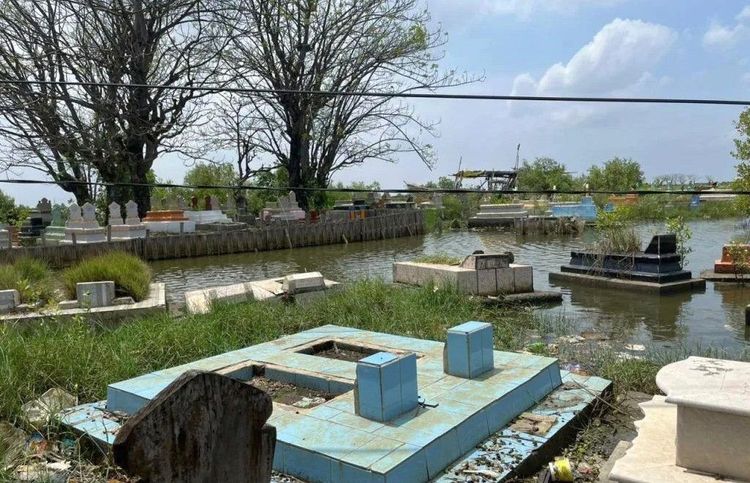
The most recent major incident involving Anak Krakatau occurred in December 2018, when a collapse of parts of the volcano triggered a tsunami that killed 429 people and displaced thousands of coastal residents. That event saw approximately 150 to 170 million cubic meters of volcanic material slide into the Sunda Strait, dramatically reducing the volcano's height from 338 meters to approximately 110 meters.
Following the 2018 disaster, Indonesian authorities established exclusion zones extending 2 to 5 kilometers around Anak Krakatau and enhanced early warning systems in the Sunda Strait region to improve coastal community safety and prevent future casualties from this persistently active volcano.