Climate-driven wildfires jeopardize global air quality progress, UN warns
Increasingly severe wildfires and heat waves risk eroding decades of progress in air quality improvement worldwide, the World Meteorological Organization warned Monday in its annual climate and air quality assessment.
The UN weather agency's report, released for International Day of Clean Air for Blue Skies, highlights how climate change is making it progressively harder to meet international air quality standards. Even as regulations have reduced emissions from factories and vehicles in many developed regions, wildfire pollution is undermining these gains.
The report emphasizes that air pollution and climate change are deeply interconnected challenges requiring coordinated policy responses rather than separate approaches. Meeting the World Health Organization's air quality guidelines—updated in 2021 to lower the annual PM2.5 limit from 10 to 5 micrograms per cubic meter—will become increasingly difficult as extreme wildfires grow more frequent.
Wildfires emerge as major pollution source
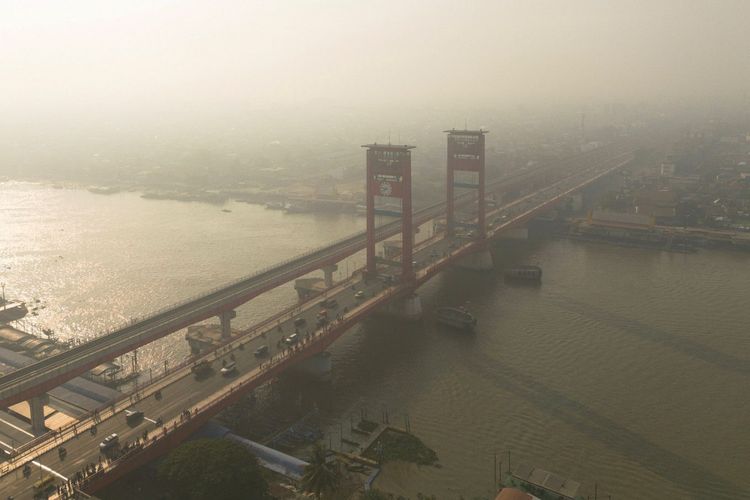
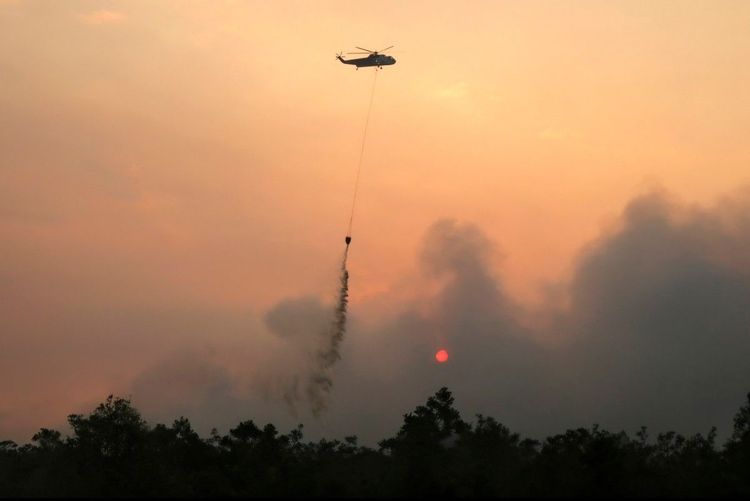
Wildfires have emerged as a growing source of harmful air pollution despite regulatory success in cutting industrial and transport emissions across Europe and North America. While these regulations have reduced conventional PM2.5 emissions, exposure to fire-related particulate matter has increased, creating a troubling paradox for public health officials.
"No matter how clean your city or your region is, if you have a lot of pollution brought about by wildfires, that has the potential to negatively impact air quality in those regions as well," Lorenzo Labrador, scientific officer at the WMO, explained.
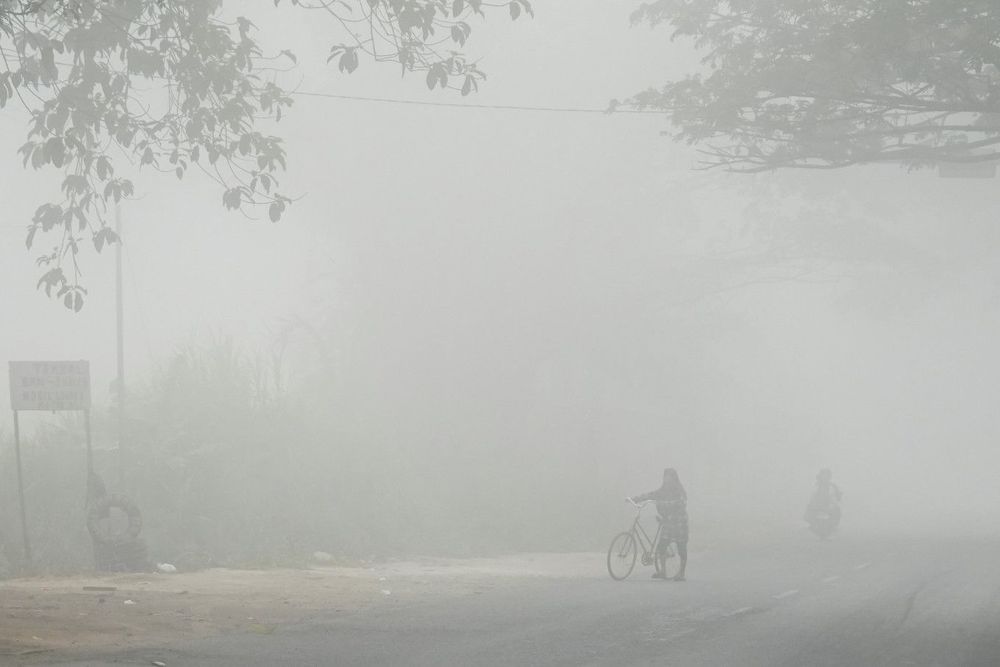
The stakes are substantial. Ambient air pollution causes more than 4.5 million premature deaths worldwide each year, representing one of the largest environmental health risks globally. The report notes that extreme fire-smoke events have tripled globally since the 1990s and may have contributed to nearly 100,000 additional deaths annually between 2010 and 2018.
Research increasingly suggests that wildfire smoke PM2.5 may be significantly more toxic than particulate matter from vehicles and industry. Studies show wildfire smoke causes more lung inflammation, and conventional risk models may underestimate wildfire-attributable mortality by up to 93 percent. In the United States alone, wildfire smoke was responsible for approximately 24,100 deaths per year from 2006 to 2020, according to research published in Science Advances.
Europe's record-breaking fire season
This year has been marked by extreme heat and destructive wildfires across Europe, including Spain, France and Greece. By early August 2026, Europe had experienced over 529,000 hectares burned—exceeding the 2025 record for the same period. Spain lost approximately 250,000 hectares while France recorded over 99,000 hectares burned.
Western Europe experienced its warmest June-July period on record in 2026, forcing the evacuation of more than 300,000 people from their homes across France and Spain. The economic toll has been severe, with the UK alone losing an estimated 24 million working hours during late-June heat waves.
The WMO has indicated that extreme heat is becoming more frequent, intense and longer-lasting as the planet warms, creating conditions that fuel both wildfires and dangerous ground-level ozone formation.
Multiple pollutants threaten health
The report highlights the growing impact of fine particulate matter known as PM2.5 and ground-level ozone, both linked to respiratory and cardiovascular disease. Ground-level ozone accumulates when temperatures rise, atmospheric conditions stagnate and solar radiation intensifies—conditions increasingly common during heat waves. The WMO warned that increased ozone exposure has the potential to lead to tens of thousands of additional premature deaths, particularly from respiratory diseases.
PM2.5 concentrations in 2025 were above long-term averages in northern Canada, parts of Russia and western-central Africa due to heightened fire activity. Northwestern Spain emerged as a hot spot following exceptional late-summer fires.
The report also calls for improved monitoring of pollutants including black carbon and microplastics, which remain poorly tracked despite their widespread presence in the atmosphere and potential harm to ecosystems. These aerosols are not sufficiently monitored even though they are widespread and potentially harmful, the WMO noted.
Particulate matter from wildfires carries particular dangers because it comes laden with toxic chemicals, Labrador said. Inhalation triggers body-wide inflammation that can lead to pulmonary disease and other serious health conditions.
The WMO's assessment underscores an urgent need for integrated policies that address both climate change and air quality simultaneously, as the two challenges have become inseparable in determining public health outcomes.