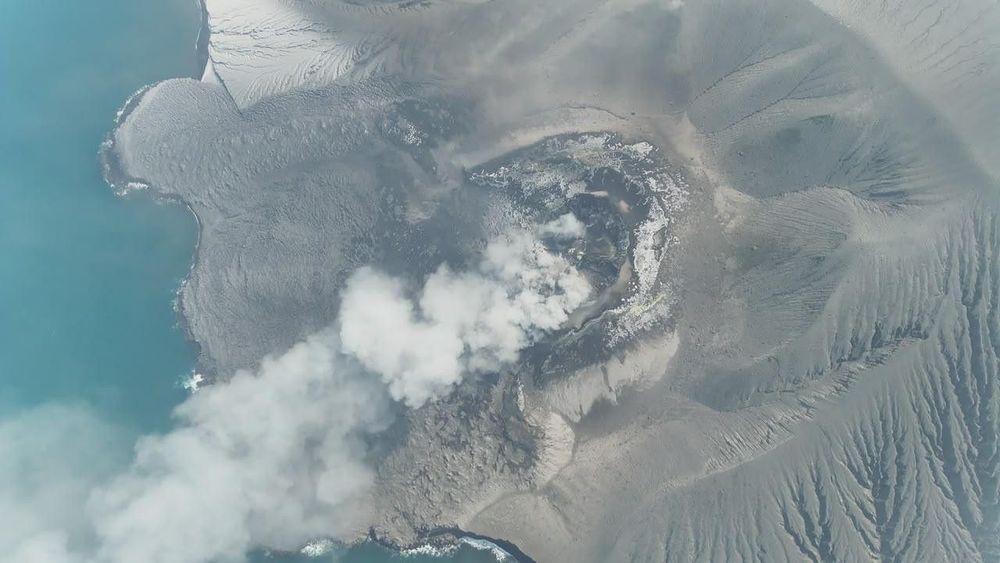
Volcanic ash from Anak Krakatau keeps eight Indonesian airports closed
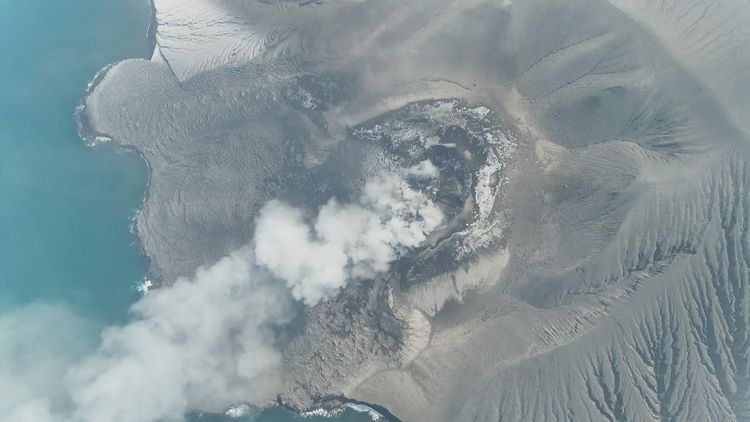
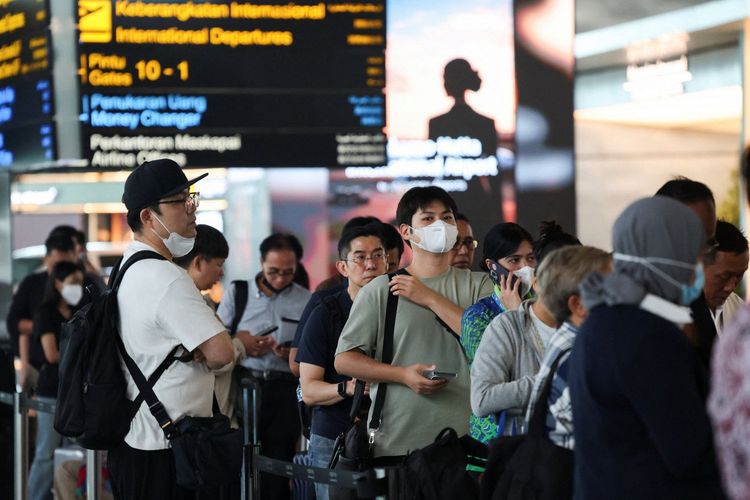
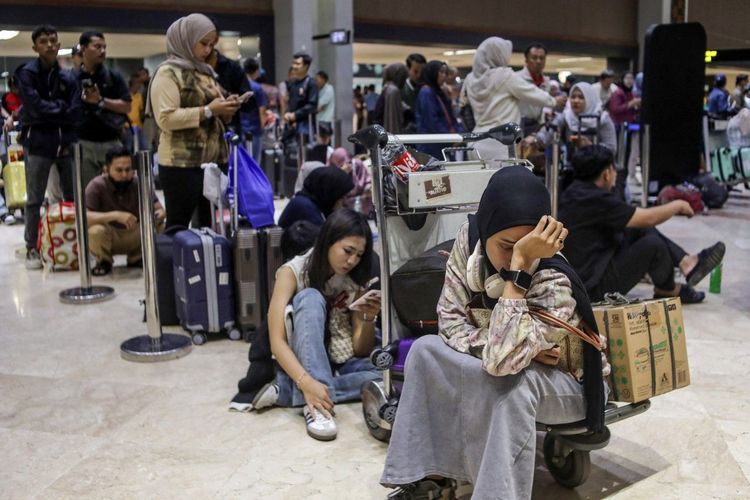
Eight airports, including two serving Jakarta, remained closed early Monday morning due to volcanic ash from ongoing eruptions of Mount Anak Krakatau, Transportation Minister Dudy Purwagandhi announced. The closures affect approximately 170,000 passengers and represent a significant disruption to one of Southeast Asia's busiest aviation hubs.
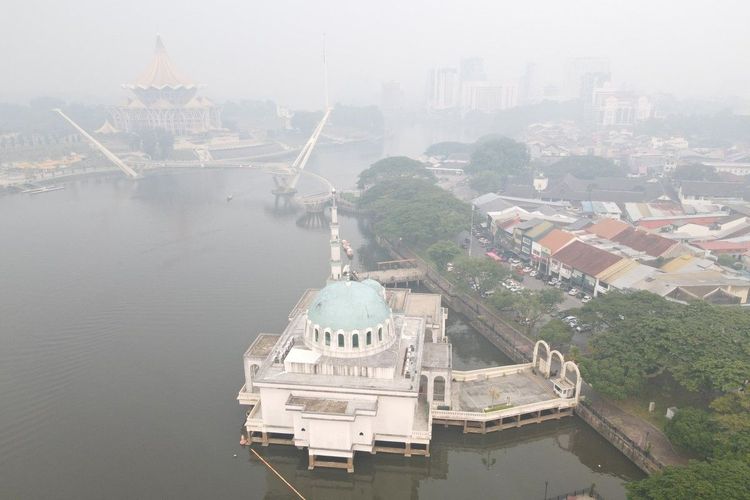
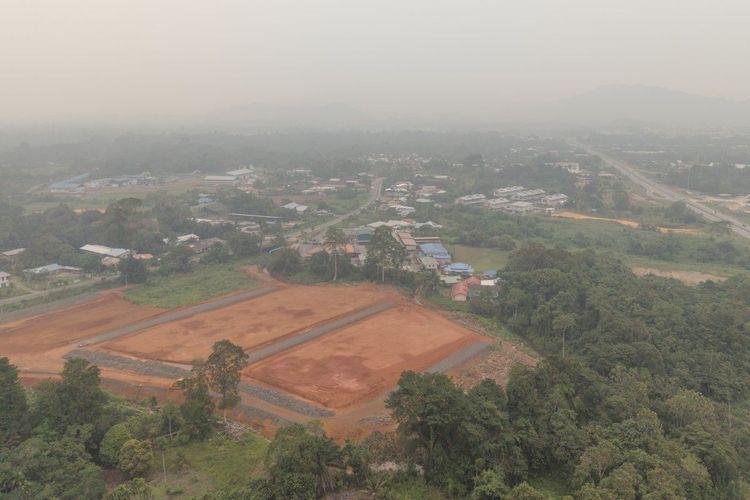
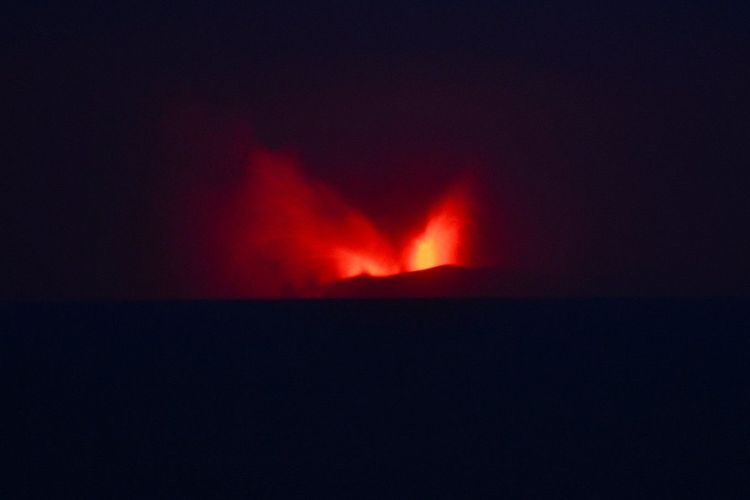
Volcanic ash from Anak Krakatau, located in the Sunda Strait halfway between Java and Sumatra islands, has blanketed Jakarta and surrounding areas since eruptions began late Friday. The ash contains sharp, jagged particles of pulverized rock and glass that can cause severe damage to aircraft engines by melting and fusing to engine components at high temperatures, making flight operations extremely hazardous.
Among the affected airports is Soekarno-Hatta International Airport, one of Southeast Asia's busiest aviation facilities serving approximately 66 million passengers annually. The closure of such a major regional hub creates ripple effects throughout Southeast Asian air connectivity.
"We cannot ascertain when this will end due to the dynamic weather," Purwagandhi said in a statement Monday, adding that the eight airports, which also include facilities in nearby Lampung and West Java provinces, would remain closed until at least 08:59 a.m. local time.
Several airports in cities including Semarang and Surabaya have been prepared as alternative landing sites.
Hazardous ash reaches high altitudes
The Meteorology, Climatology and Geophysics Agency reported that volcanic ash has reached heights of 20,000 feet on the Java side of the volcano and 50,000 feet on the Sumatra side, with significant deposits also affecting parts of Banten province in Java. The volcano monitoring agency's website showed the most recent eruption occurred Sunday at 8:23 p.m.
Prolonged exposure to volcanic ash poses serious health risks, as fine ash particles smaller than 10 micrometers can penetrate deep into the lungs, causing respiratory problems, eye irritation, and skin issues. Water supplies can also become contaminated. In response, the disaster agency has called for people to wear masks while traveling outdoors.
Schools in Jakarta and Lampung have switched to remote learning to protect students from health risks associated with ash exposure, according to state news agency Antara.
Deadly history of volcanic activity
The current eruptions follow a deadly history at Anak Krakatau. In December 2018, a significant eruption sequence caused a partial collapse of the volcano's southwest flank, triggering a tsunami that killed over 400 people in coastal areas of Java and Sumatra.
Anak Krakatau began emerging a century ago from the area previously occupied by Krakatau, known as Krakatoa. That older volcano destroyed itself in massive eruptions in 1883, which killed more than 36,000 people through a series of tsunamis.
Indonesia faces recurring volcanic challenges as it sits on the Pacific Ring of Fire, where multiple tectonic plates meet. The nation has 127 active volcanoes, more than any other country in the world. The Center for Volcanology and Geological Hazard Mitigation operates a four-level volcanic alert system to monitor and respond to volcanic threats, with Level 4 being the highest level, indicating an eruption is imminent or in progress.
The economic impact of such volcanic disruptions can be substantial. The 2010 Eyjafjallajökull eruption in Iceland, for comparison, led to the cancellation of over 100,000 flights across Europe with estimated losses exceeding $1.7 billion to the airline industry.
The Sunda Strait, where Anak Krakatau is located, serves as one of the world's busiest shipping lanes, connecting the Indian Ocean with the South China Sea and functioning as a critical maritime route for international trade between Asia, the Middle East, and Europe.