Mt. Anak Krakatau erupts more than two dozen times, blankets nearby island in ash
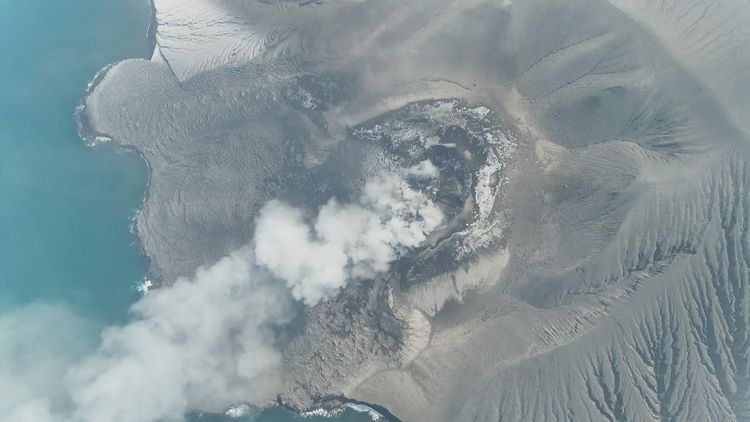
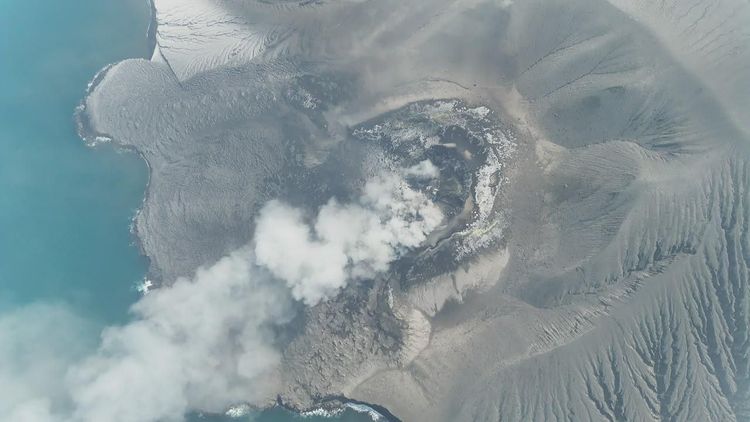
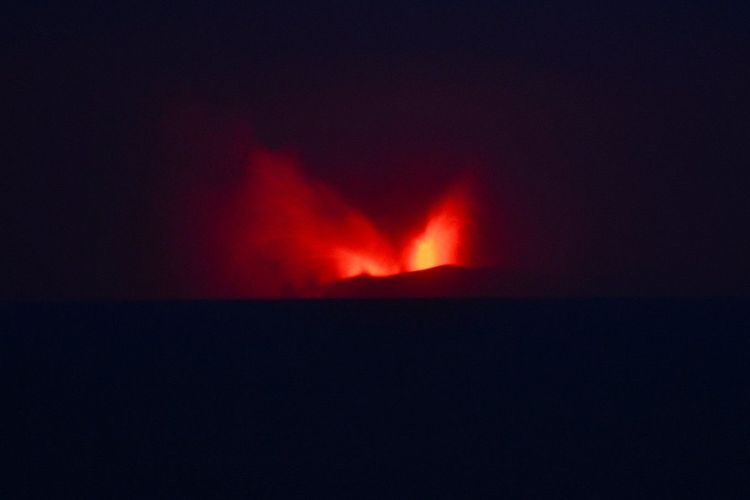
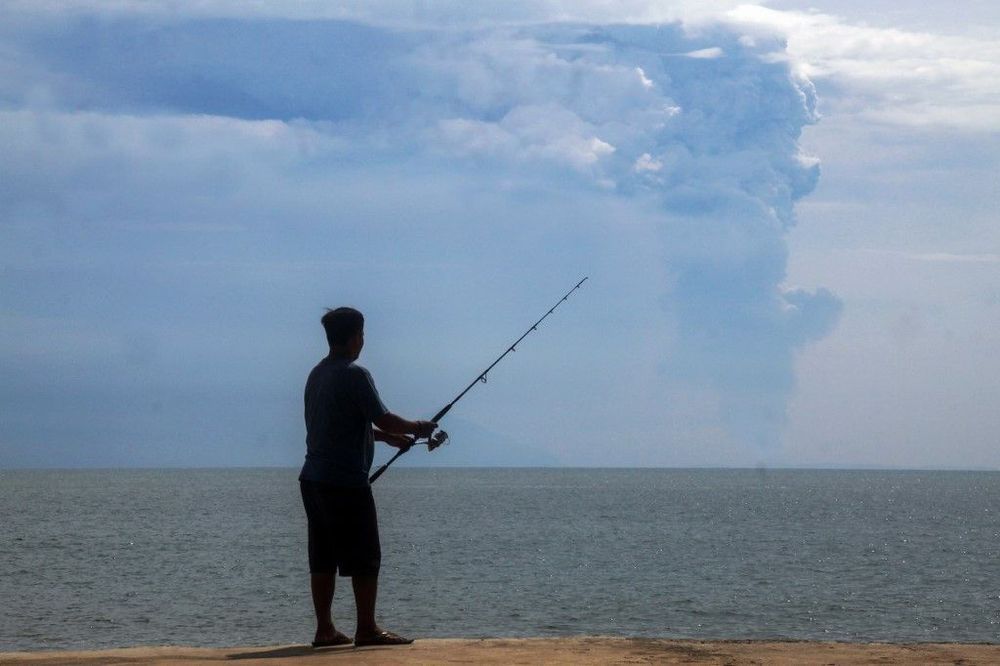
Mount Anak Krakatau, the active volcano in the Sunda Strait between Java and Sumatra, erupted more than 20 times on Monday alone, sending ash plumes as high as 400 meters into the sky and blanketing nearby Sebesi Island with volcanic debris.
The volcano, which formed in 1927 from submarine eruptions within the caldera left by the catastrophic 1883 Krakatau eruption, has shown significantly increased activity since early July. By 1930, the new volcanic cone had established itself permanently above sea level and has remained active ever since.
Between 1:30 a.m. and 10 p.m. on Monday, Anak Krakatau erupted 20 times, with ash columns rising between 200 and 400 meters above the crater. This marked an increase from Sunday, when eight eruptions sent ash plumes 200 to 300 meters into the air.
Andi Suwardi, an official at the Mount Anak Krakatau Observation Post, confirmed that the volcano's alert status remains at Level III (Siaga), the second-highest level in Indonesia's four-tier volcanic alert system. The system ranges from Level I (Normal) to Level IV (Awas or Warning), with Level III indicating a watch status requiring heightened vigilance.
Volcanic activity at Mt. Anak Krakatau continues to fluctuate, rising and falling. That is why its status remains at Level III.
Andi said on Tuesday. He added that the volcano could erupt again at any time, particularly if tremor amplitudes remain elevated.
The alert level was raised from Level II to Level III on July 2, 2026, following a sharp increase in volcanic earthquakes, changes in deformation patterns, and tiltmeter data showing inflation trends that indicate pressure accumulation inside the volcano. Following the upgrade, authorities established a 5-kilometer exclusion zone around the active crater, warning residents, fishermen, and tourists to stay away due to potential eruptions and volcanic material ejection.
Sebesi Island, located approximately 12 kilometers north of Anak Krakatau, is the closest inhabited island to the volcano with a population of roughly 2,800 to 3,000 people. The island has received ashfall from the recent eruptions, though no evacuations have been reported.
The volcano is monitored continuously 24 hours a day from two separate observation posts located in Kalianda in South Lampung, Lampung Province, and Pasauran in Serang, Banten Province.
We will continue to monitor its activity. If the tremor amplitude remains high, there is still a possibility of another eruption.
Andi said.
History of volcanic hazards
Anak Krakatau's recent activity has drawn particular attention given its violent history. On December 22, 2018, the volcano experienced a major flank collapse that triggered a devastating tsunami, killing at least 437 people along the coasts of Java and Sumatra. The collapse reduced the volcano's height from over 300 meters to approximately 110 meters above sea level.
The site carries even deeper historical significance. The 1883 eruption of the original Krakatau volcano was one of the most catastrophic in recorded history, killing more than 36,000 people, mostly from tsunamis that swept the adjacent coastlines of Sumatra and Java. This deadly precedent explains why current volcanic activity at Anak Krakatau is monitored so closely and why authorities remain particularly concerned about potential tsunami risks.
Monitoring officials have indicated they will continue to assess tremor data and other volcanic indicators to determine whether any changes to the alert status are necessary in the coming days.