Wildfire smoke recedes from Jakarta, but vigilance urged
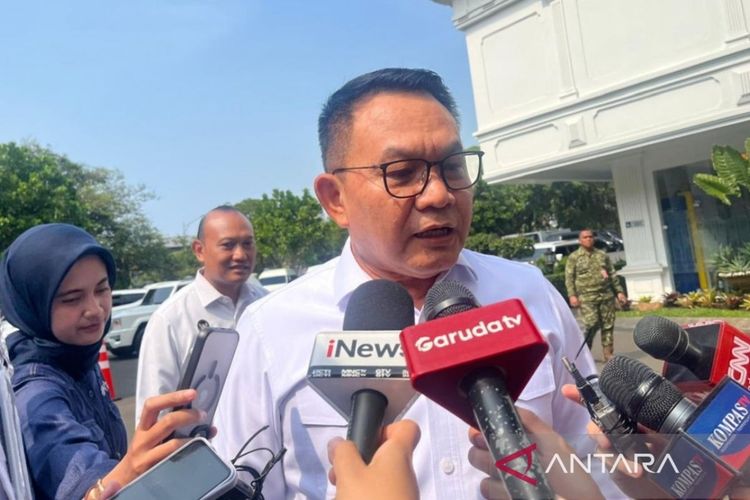
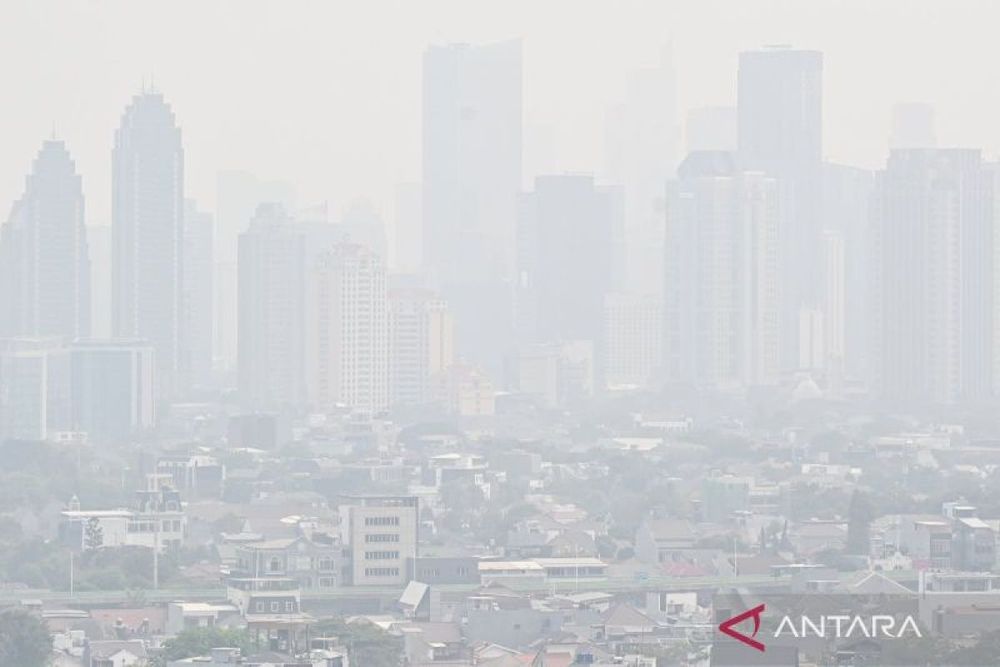
Wildfire smoke that blanketed Jakarta's upper atmosphere last week has started to dissipate due to changing wind patterns, though authorities are urging residents to stay alert as conditions could shift, according to Chico Hakim, special adviser to Jakarta Governor Pramono Anung on social communications.
"The smoke has decreased since Friday because of the wind, but we remain alert if wind direction changes," Hakim said in a statement Monday, referring to smoke detected over the capital on October 16.
Satellite imagery from Indonesia's Meteorology, Climatology, and Geophysics Agency (BMKG) showed smoke from fires in Sumatra and Kalimantan passing at altitudes of 2 to 3 kilometers above Jakarta and surrounding areas on Friday. The elevated position meant the smoke did not directly impact ground-level air quality in many areas, though some monitoring stations recorded moderate to unhealthy pollution levels.
Worst wildfire season in 11 years
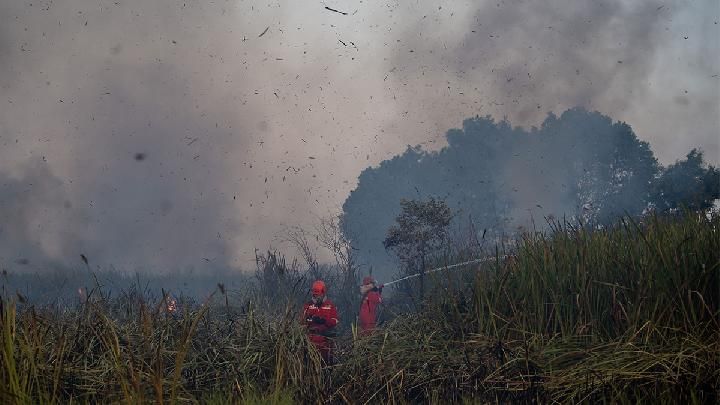
The smoke episode comes as Indonesia battles its most intense wildfire season in 11 years. By mid-August, forest fires had consumed 202,000 hectares across the archipelago, more than double the area affected in the first half of the year. West Kalimantan has recorded the largest cumulative burned area of any province, with 38,310.86 hectares affected as of August 20.
On October 14, BMKG detected 1,297 high-confidence fire hotspots nationwide, including 505 in Sumatra, 346 in Kalimantan, and 330 across Papua and Maluku, indicating widespread burning activity immediately before smoke reached the capital region.
Air quality monitoring showed Jakarta's Air Quality Index reached 152 on October 18, classified as unhealthy, with fine particulate matter (PM2.5) driven primarily by cross-border forest fire smoke. The Jakarta administration emphasized that while smoke has moved away from western Java, air quality remains affected by multiple factors.
Local and regional pollution sources
"Jakarta's air quality is also affected by local sources, including transportation and industrial emissions, as well as dry-season conditions," Hakim said, noting that some Air Pollution Standard Index monitoring stations still recorded moderate to unhealthy levels with PM2.5 as the primary concern.
Indonesia ranked as Southeast Asia's most polluted country in 2025 with a national annual average PM2.5 concentration of 30 µg/m³, approximately six times higher than World Health Organization guidelines. Research indicates coal-fired power plants located outside Jakarta contribute between 5 and 31 percent of the city's total PM2.5 on any given day during the dry season.
Government response and health preparedness
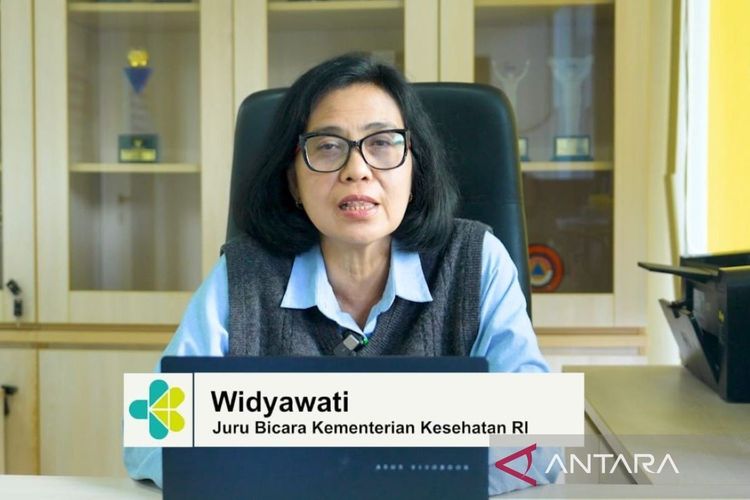
Governor Pramono Anung, who took office in February 2025 after winning election the previous November, has ordered comprehensive health facility readiness. A total of 367 facilities are on standby for respiratory illnesses, including acute respiratory infections: 31 hospitals, 44 community health centers, and 292 auxiliary health centers.
The national government has also explored innovative approaches to combat the crisis. On October 15-16, Indonesia deployed 2.4 tons of dry ice in experimental trials over South Sumatra to disperse wildfire smoke. The technique targets atmospheric inversion layers that trap smoke near ground level, representing a novel approach that does not require rain clouds to be effective.
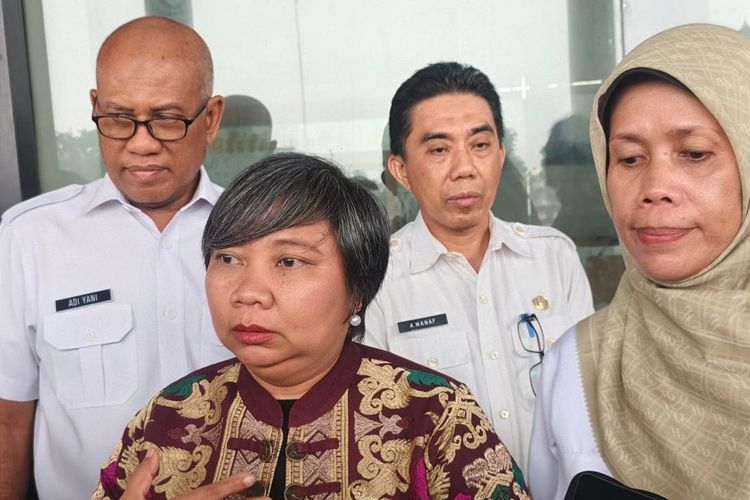
The Jakarta administration continues strengthening preparedness and mitigation measures as the wildfire season persists. Officials emphasized that while current conditions have improved, residents should remain vigilant for potential changes in wind direction that could bring smoke back over the metropolitan area.