Komnas HAM probes human rights impact of Kalimantan wildfires
The National Human Rights Commission (Komnas HAM) has launched a comprehensive investigation into the human rights dimensions of ongoing forest and land fires across Kalimantan, examining the state's fulfillment of its obligations to protect affected populations from health hazards, food insecurity, and environmental damage.
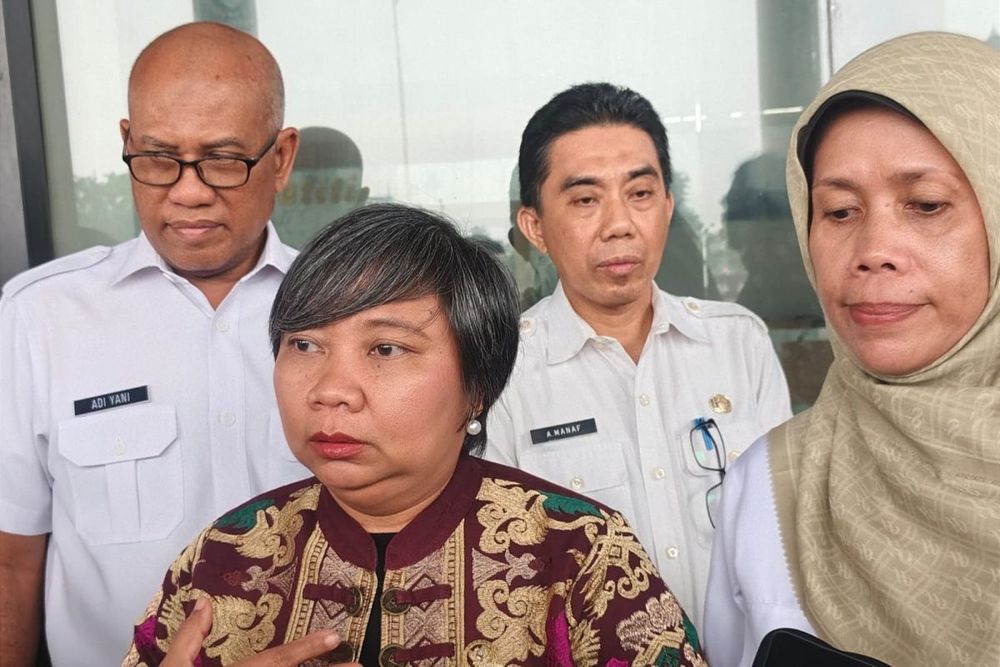
Commission Chair Anis Hidayah announced the monitoring effort during a visit to Pontianak, West Kalimantan, on Wednesday, emphasizing the inquiry extends across the entire island. "We are paying serious attention to the fires, not only in West Kalimantan. We want to examine the state's responsibility for upholding human rights in the context of these fires," she stated.
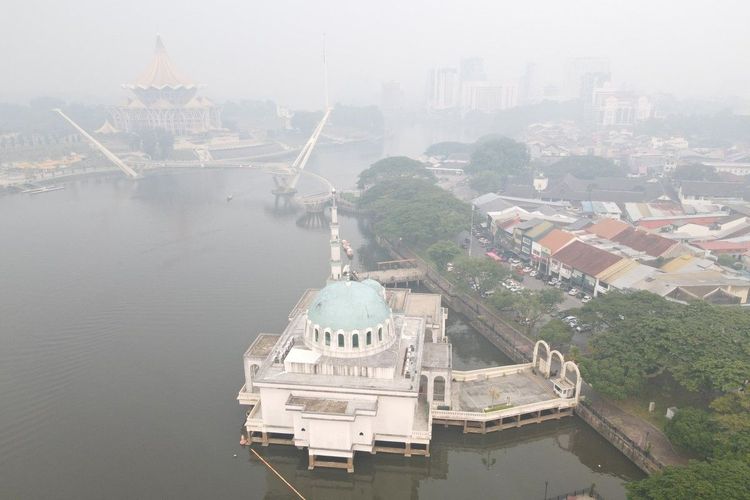
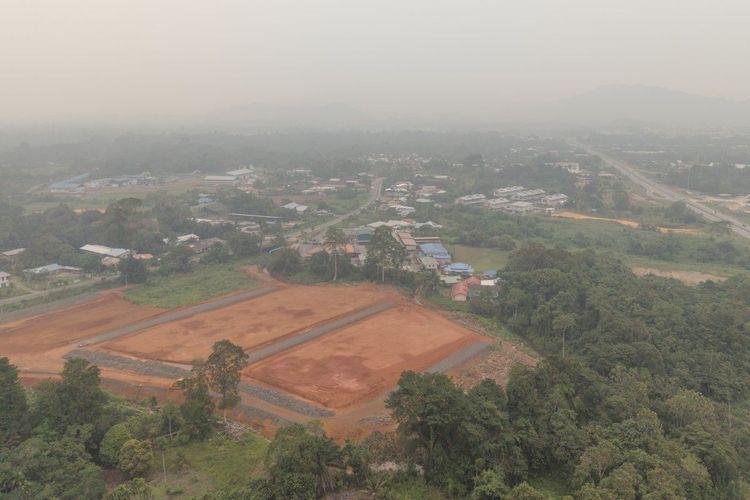
The investigation comes as West Kalimantan faces its worst fire season in recent years, with 38,310.86 hectares of forest and land burned from January to June 2026 alone, representing a 43.47 percent increase over the 26,700 hectares recorded throughout all of 2025. The provincial government declared a fire alert status beginning February 2, 2026.
According to the National Disaster Management Agency (BNPB), as of October 12, fires covering 639.23 hectares remained active across six priority provinces, with Central Kalimantan bearing the heaviest burden at 524.69 hectares still being extinguished.
Health and social impacts under scrutiny
Komnas HAM has identified multiple areas of concern regarding the fires' impact on fundamental rights. The commission is particularly focused on health consequences among vulnerable populations, including women and older adults, as well as broader effects on food security and access to clean water.
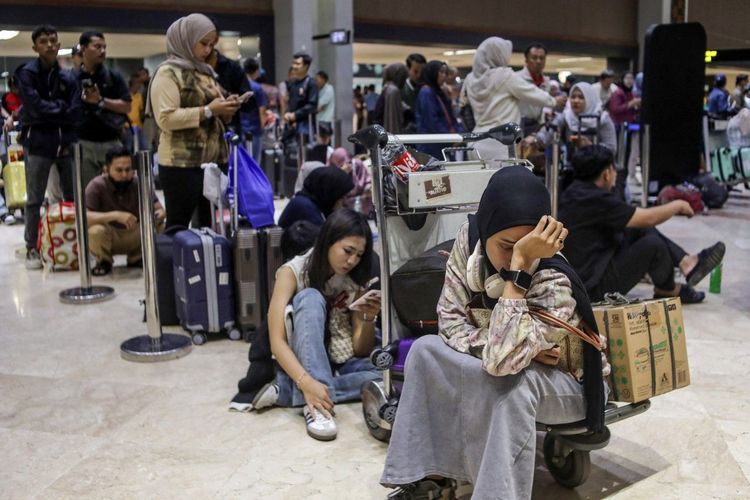
The Health Ministry reported that more than 170,000 people across Indonesia required treatment for acute respiratory infections during August and September 2026 as a result of haze from the wildfires. Research on peatland fires in Indonesia has documented serious health consequences, including respiratory and cardiovascular effects that lead to thousands of additional hospitalizations and hundreds of thousands of severe asthma cases in children annually.
Komnas HAM's preliminary findings indicate concerns about reduced agricultural yields, rising food prices, and limitations on clean water access in affected areas. The investigation team has gathered data through meetings with stakeholders, field visits to peatland areas, and coordination with civil society organizations and police.
Corporate responsibility and law enforcement
The commission is examining environmental law enforcement mechanisms and the accountability of authorities overseeing fire-prone regions. Environmental organization Walhi has reported that 74 percent of fire hotspots in Kalimantan were located within corporate concession areas, including 10,739 hotspots in oil palm plantation zones, 7,880 in mining concessions, and 6,905 in forest business permit areas.
Komnas HAM has requested information from relevant ministries regarding fire management protocols and the performance of agencies responsible for affected territories. The commission is also seeking data from the Meteorology, Climatology, and Geophysics Agency (BMKG) to assess prevention and response efforts.
Indonesia's obligations under the ASEAN Agreement on Transboundary Haze Pollution, which the country ratified in 2014 and entered into force on January 20, 2015, establish requirements for fire prevention, monitoring, and regional cooperation that form part of the commission's examination of state responsibilities.
Broader environmental toll
The fires have affected not only human communities but also protected wildlife. Between August and October 9, 2026, the West Kalimantan Natural Resources Conservation Agency and IAR Indonesia Foundation rescued at least 46 Bornean orangutans from burning habitats, illustrating the ecological scope of the crisis.
Anis stressed that the commission's findings remain preliminary. "Komnas HAM needs to gather and analyze more comprehensive information before determining whether human rights violations occurred in connection with the fires," she said.
The investigation reflects growing public pressure for government accountability on fire management. West Kalimantan residents have filed a class action lawsuit against the government for negligence in addressing recurring haze disasters, with the next court hearing scheduled for October 21, 2026.
Established through Presidential Decree Number 50 of 1993 and strengthened by Law Number 39 of 1999, Komnas HAM holds the mandate to monitor, investigate, and promote human rights protection throughout Indonesia. The commission's current inquiry examines how authorities are meeting their prevention and response obligations as fires continue to recur with increasing severity year after year.