Malaysia ends emergency in Sarawak district as air quality improves
Malaysian authorities lifted an emergency declaration in Serian district, Sarawak state, on Monday after air quality readings improved from hazardous levels caused by smoke from forest fires in Indonesia's Kalimantan region.
The emergency, declared on Friday when the Air Pollution Index (API) reached 519, was revoked after readings fell to 222 by Monday morning. The threshold for declaring an emergency in Malaysia is an API reading of 500, while levels above 300 are classified as hazardous.
Sultan Ibrahim, Malaysia's King, consented to end the state of emergency based on recommendations from Prime Minister Anwar Ibrahim and Sarawak Premier Abang Johari Openg, according to a statement from the Prime Minister's Office. The decision followed reports from government agencies confirming that air quality in Serian had improved beyond hazardous levels.
Situation remains serious in some areas
However, officials cautioned that the situation remains serious in several areas.
The haze situation has not fully recovered, as air quality readings in several areas, particularly Serian and Samarahan districts, remain at very unhealthy levels,
The improvement in Serian followed rainfall on Friday night and Saturday morning, which authorities believe resulted from cloud seeding operations conducted to alleviate the haze. Data from Sarawak's Natural Resources and Environment Board showed API levels dropping to the low 200s by Monday.
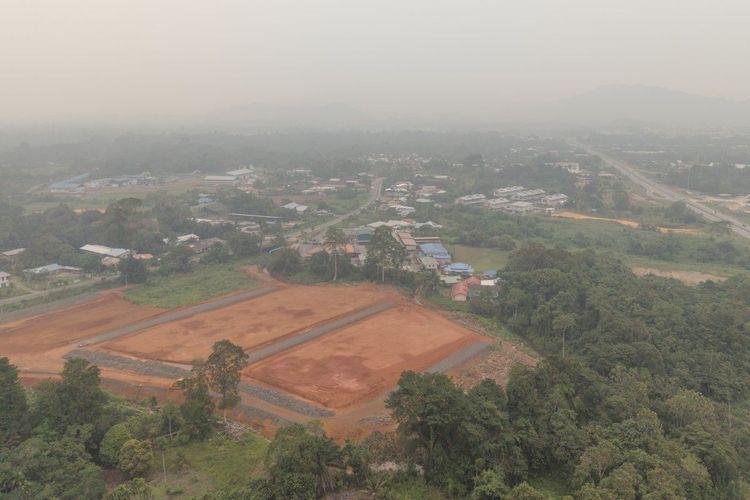
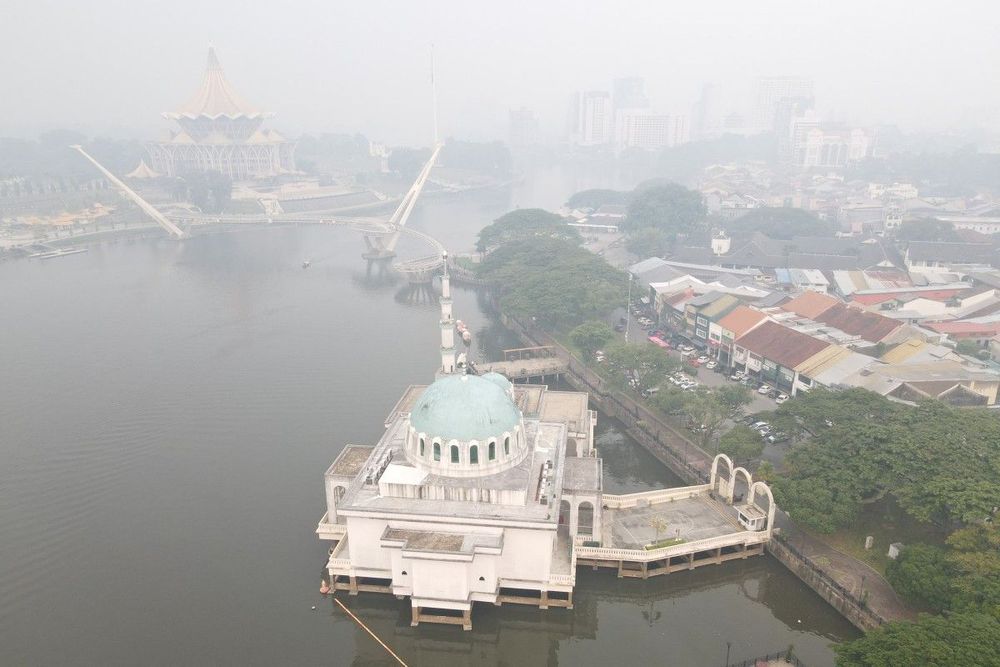
The emergency declaration had been implemented after thick smoke from fires burning in Indonesian Kalimantan pushed air pollution to dangerous levels across parts of Sarawak. The haze forced school closures in affected districts and prompted authorities to advise residents to limit outdoor activities.
Federal and state government officials said they would continue monitoring the air quality situation closely. Residents in affected areas have been instructed to follow guidance from authorities and minimize time spent outdoors while pollution levels remain elevated.
Regional impact of haze crisis
The haze crisis has affected multiple countries in Southeast Asia for several weeks as Indonesia struggles to contain widespread fires across Borneo and Sumatra islands. The toxic smoke has drifted across borders into Malaysia, Singapore, and Brunei, creating health hazards and disrupting daily activities.
Malaysia's air quality monitoring system categorizes API readings between 201 and 300 as very unhealthy, while readings above 300 are deemed hazardous to human health. The emergency threshold of 500 triggers special measures including potential evacuations and temporary facility closures.