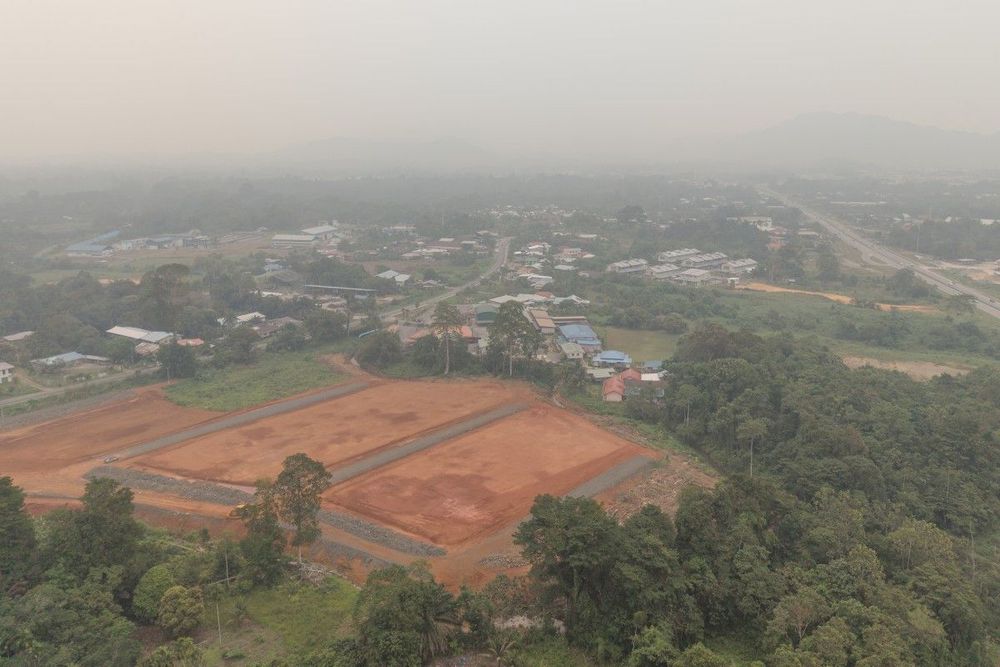
Malaysia ends Sarawak emergency as haze eases, but air quality concerns persist
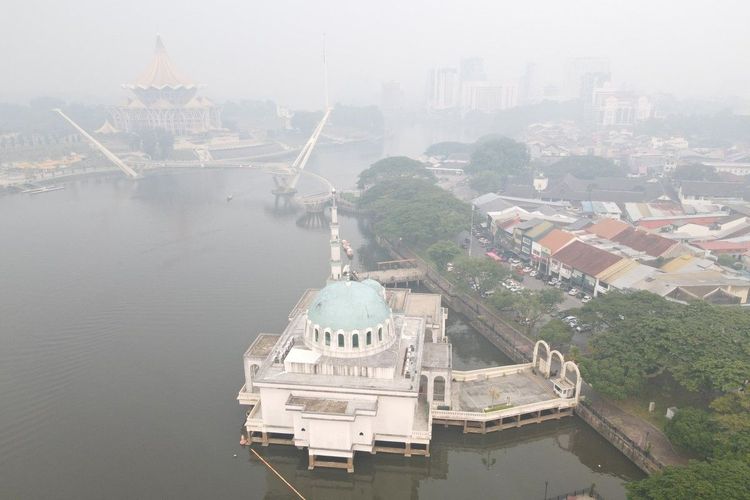
Malaysian authorities lifted the emergency declaration in Serian district, Sarawak state, on Monday after air pollution levels dropped below the hazardous threshold, though officials warned that health risks persist as air quality remains very unhealthy.
The emergency, declared on Friday when the Air Pollution Index reached 519, was ended after readings fell to 222 by Monday morning. Under the National Disaster Management Agency Directive No 1, a haze emergency requires federal government declaration with the Yang di-Pertuan Agong's consent when API exceeds 500.
King Sultan Ibrahim gave his consent to end the state of emergency based on advice from Prime Minister Anwar Ibrahim and Sarawak Premier Abang Johari Openg, as well as reports from government agencies showing that air quality in Serian was no longer at hazardous levels, the Prime Minister's Office said.
During the emergency period, 647 schools in Serian were closed from Monday until at least the end of the week, alongside government and private offices, plantations, construction sites and quarries, with only essential services continuing to operate.
Cloud seeding operations launched on September 4 and extended through Monday helped bring relief, with rain on Friday night and Saturday morning contributing to the drop in pollution levels from 519 to the low 200s.
The PMO cautioned that the haze situation has not fully recovered, as air quality readings in several areas, particularly Serian and Samarahan districts, remain at very unhealthy levels. Malaysian authorities categorize API readings above 300 as hazardous, with a measurement of 500 the threshold for declaring an emergency.
The federal government and Sarawak state government will continue to closely monitor the situation, and residents in affected areas are advised to limit outdoor activities and comply with instructions from authorities, the PMO said.
Regional crisis from Indonesian fires
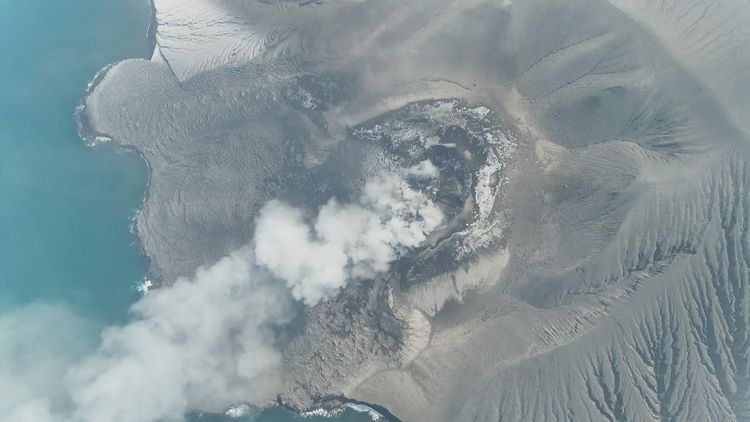
The thick haze affecting Sarawak originates from fires in the Indonesian part of Borneo island. Between January and July 2026, fires burned more than 200,000 hectares across the islands of Borneo and Sumatra in Indonesia, an area three times the size of Jakarta, with nearly 95,000 hectares burned in July alone.
The fires are largely set deliberately, with plantation companies and smallholders burning rainforest and peatland to clear ground for palm oil, farming, and pulp and paper production. Indonesian police arrested 72 people suspected of setting fires in late August 2026.
In Indonesia, approximately 13,500 people were treated for respiratory infections in July and August 2026, while about 5.5 million people on the islands of Borneo and Sumatra were directly exposed to smoke from the fires.
The haze has affected a broader region beyond Malaysia. Between August 30 and September 2, 2026, Metro Manila, Central Luzon, and Visayas in the Philippines experienced smoky haze and unhealthy air quality from the Indonesian fires.
Some firefighters in Kalimantan have reported that conditions in 2026 are worse than during the devastating 2015 haze crisis, which was one of the most severe on record.
Emergency precedents
This is not the first haze emergency in Malaysia. In June 2013, a state of emergency was declared in Muar and Ledang districts of Johor after API readings reached 750 in Muar, and was lifted the next day when API dropped below 300.
Despite the ASEAN Agreement on Transboundary Haze Pollution, signed in 2002 and ratified by all 10 member states by 2015, the regional framework has been criticized as lacking enforcement mechanisms to effectively address the recurring problem.