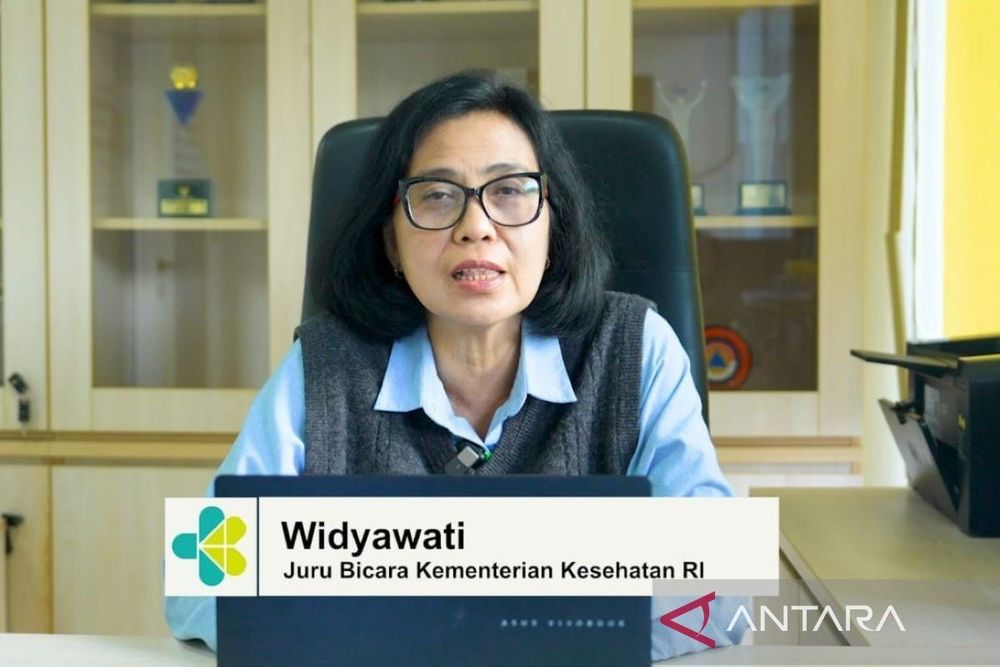
Indonesia mobilizes 2,106 health workers as forest fires worsen
The Indonesian government has deployed 2,106 healthcare workers and distributed approximately 3 million masks along with oxygen concentrators, medicines, and personal protective equipment to address mounting health concerns from forest and land fires sweeping across seven provinces and 63 districts and cities.
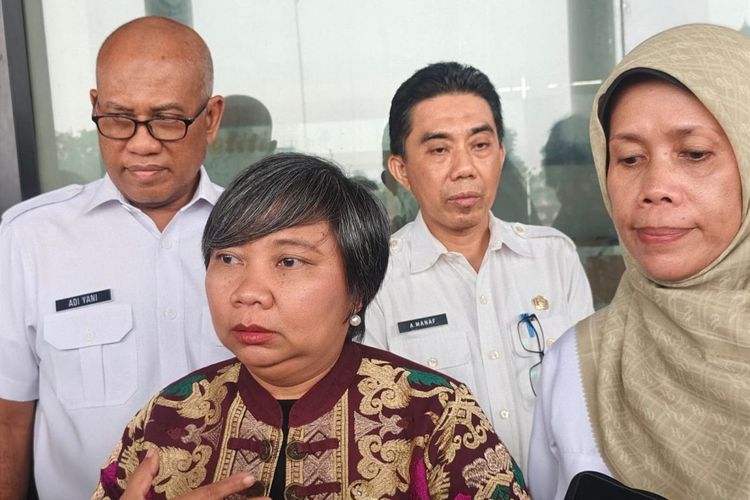
Ministry of Health spokesperson Widyawati announced the mobilization on Thursday, stating that the government has strengthened health services, referral systems, and disease monitoring in affected areas. The response comes as authorities describe this as the country's most intense wildfire season in 11 years, drawing comparisons to the devastating 2015 fires.
By mid-August, Minister of Forestry Raja Juli Antoni reported that 202,000 hectares of forests and land had burned across Indonesia. The scale of destruction has been exacerbated by severe weather patterns, as a strong El Niño combined with a positive Indian Ocean Dipole left approximately 90 percent of Indonesia with little to no rainfall in early August, drying peat deposits that normally remain too wet to ignite.
Air Quality Reaches Dangerous Levels
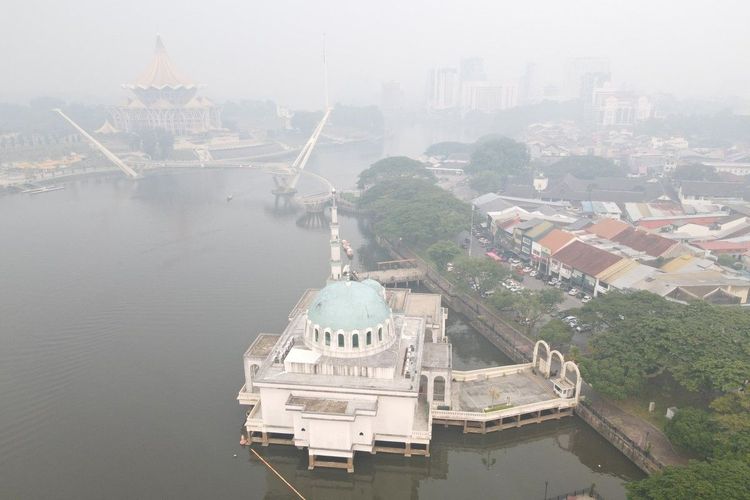
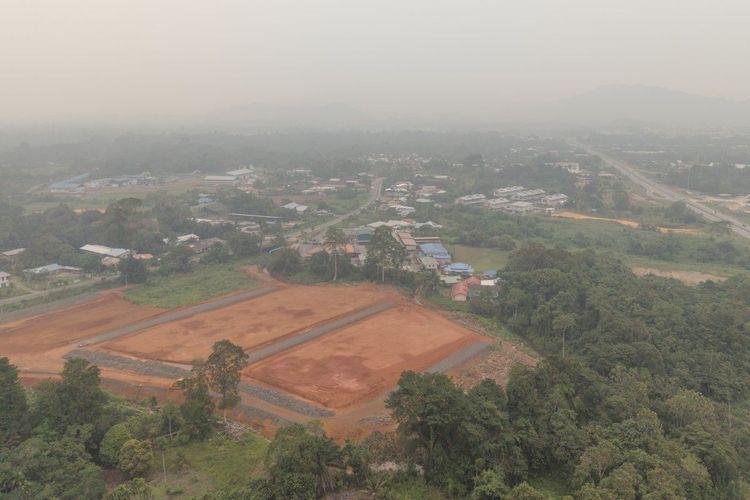
Monitoring data from 37 Air Pollution Standard Index stations revealed alarming conditions across multiple regions. Of the monitored areas, 13 recorded hazardous air quality levels, 11 showed very unhealthy readings, and 13 registered as unhealthy. Under Indonesia's ISPU classification system, readings of 301 and above qualify as hazardous, indicating serious health risks.
The fires have particularly affected six priority provinces: Riau, Jambi, South Sumatra, West Kalimantan, Central Kalimantan, and South Kalimantan. Central Kalimantan's provincial Emergency Alert has been extended through October 31, covering districts including East Kotawaringin, Kapuas, Sukamara, Seruyan, Palangka Raya, and West Kotawaringin.
Respiratory Illness Cases Surge
The health impact has been substantial, with Ministry of Health data showing 277,075 cumulative cases of acute respiratory infections recorded as of October 12, 2026. This represents a significant increase from early September, when respiratory infections linked to the fires stood at 113,336 cases and more than 12.5 million people had been exposed to haze.
Among the current cases, 62,400 involve children aged five and under, making this age group a priority for medical treatment by field healthcare teams. The particularly severe health impacts stem from the nature of peatland fires, which burn underground in slow smoldering fires that release far more fine particles and pollutants than typical tropical forest fires.
Environmental group Pantau Gambut estimates that of Indonesia's 24.2 million hectares of peatland, some 16.4 million hectares have been degraded and remain vulnerable to fire, highlighting the long-term structural challenges underlying the current crisis.
Mental Health Concerns Emerge
Aji Muhawarman, head of the ministry's Public Communications and Information Bureau, warned that prolonged haze exposure could trigger mental health problems, stress, and anxiety by disrupting socioeconomic activities, education, and employment.
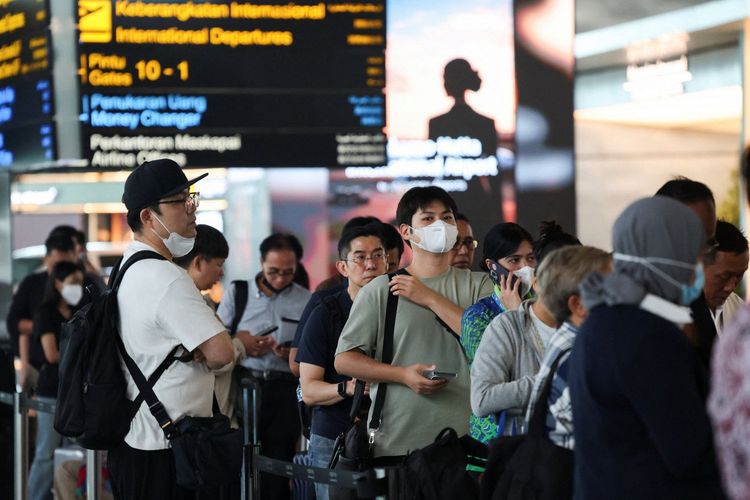
Authorities have advised people who must spend time outdoors to wear properly fitted N95 or KN95 respirators to filter fine particles. Local governments have been urged to establish smoke-safe spaces equipped with appropriate air filtration systems and healthcare access, particularly for infants, young children, and pregnant women.
The accelerated response aims to mitigate health risks posed by deteriorating air quality as the wildfire season continues to challenge communities across the affected regions.