Global markets sink as Middle East crisis drives oil surge and inflation fears
Asian stock markets experienced sharp declines Friday as escalating tensions in the Middle East pushed oil prices higher and US inflation data reinforced expectations that central banks will maintain their aggressive monetary tightening policies.
Oil prices surge amid Middle East tensions
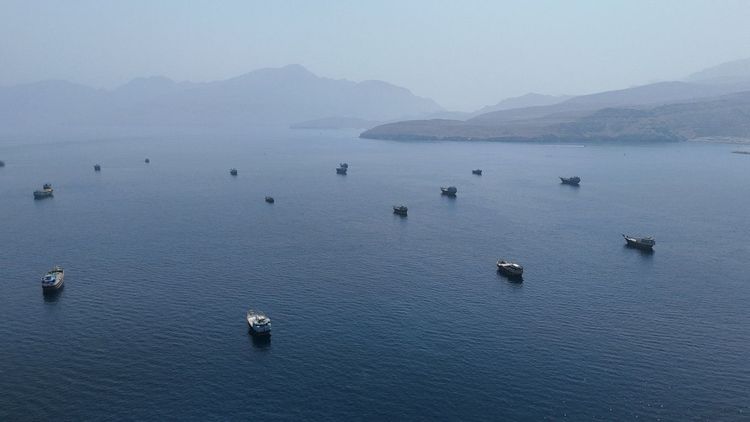
Crude prices have surged more than 30 percent over the past week following military exchanges between the United States and Iran near the Strait of Hormuz, a critical passage handling approximately 21 percent of global petroleum shipments. Tehran has indicated its readiness for prolonged confrontation in the region.
The crisis expanded as Yemen's Houthi forces struck multiple Saudi Arabian energy installations and seized control of the strategic Red Sea port of Mocha on Thursday. Saudi Arabia, producing approximately 9-10 million barrels daily as the world's second-largest oil producer, represents a crucial component of global energy supply. The Red Sea and Suez Canal route handles roughly 12 percent of global trade and 30 percent of container traffic, making Houthi advances a significant threat to international commerce.
Brent crude approached $110 per barrel Friday, reaching levels unseen since May, while West Texas Intermediate climbed above $104. Historical data indicates that sustained $10 oil price increases typically reduce global economic growth by 0.15 percentage points, according to International Monetary Fund estimates.
Bond yields climb on inflation fears
Government bond yields climbed sharply as investors positioned for prolonged inflationary pressures. The 30-year US Treasury yield hit 5.36 percent, marking a new post-2007 peak and approaching levels last seen during the 2008 financial crisis when the same security peaked at 5.3-5.4 percent. The 10-year Treasury yield, which serves as a global benchmark affecting mortgage rates and corporate borrowing costs, neared five percent and a 19-year high.
Market turbulence intensified following Thursday's US producer price index report, which showed inflation accelerating to 5.4 percent in August from 4.8 percent in July, exceeding analyst forecasts. As a leading indicator that typically precedes consumer price changes by one to three months, the elevated PPI suggests wholesale cost pressures will soon filter through to retail prices.
A $6 billion Treasury buyback program announced Thursday disappointed traders who had anticipated more substantial intervention to stabilize bond markets.
Central banks signal continued tightening
The European Central Bank raised its deposit facility rate to 4.00 percent Thursday, marking its tenth consecutive increase since July 2022, and warned that elevated inflation would persist. Markets now focus on next week's Federal Reserve policy meeting, with current benchmark rates already at 5.25-5.50 percent, the highest level since 2001.
The CME Group's FedWatch tool shows more than 70 percent probability that Fed officials will implement a quarter-point rate increase. Friday's consumer price index release will provide additional guidance on the central bank's likely course.
Fiona Cincotta at FOREX.com noted that rising cost pressures suggest consumer inflation may accelerate, strengthening the case for sustained monetary tightening or additional rate hikes.
Global stock markets decline
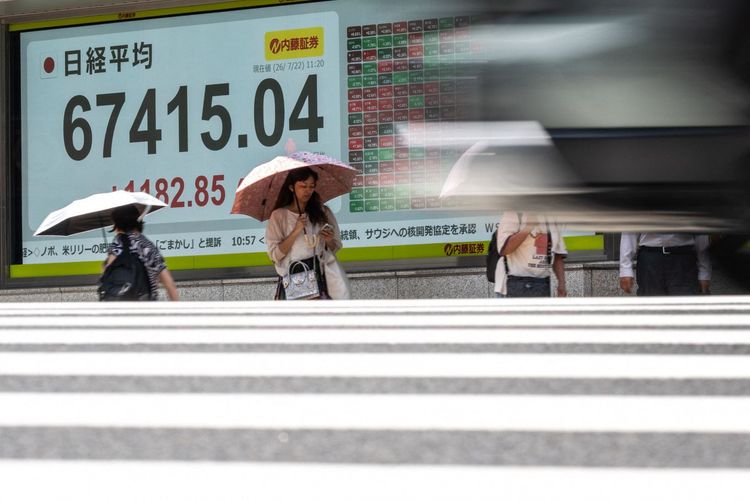
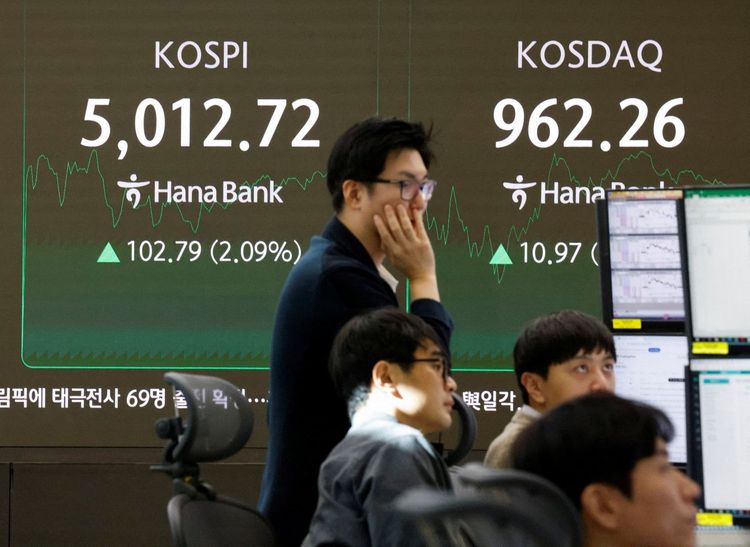
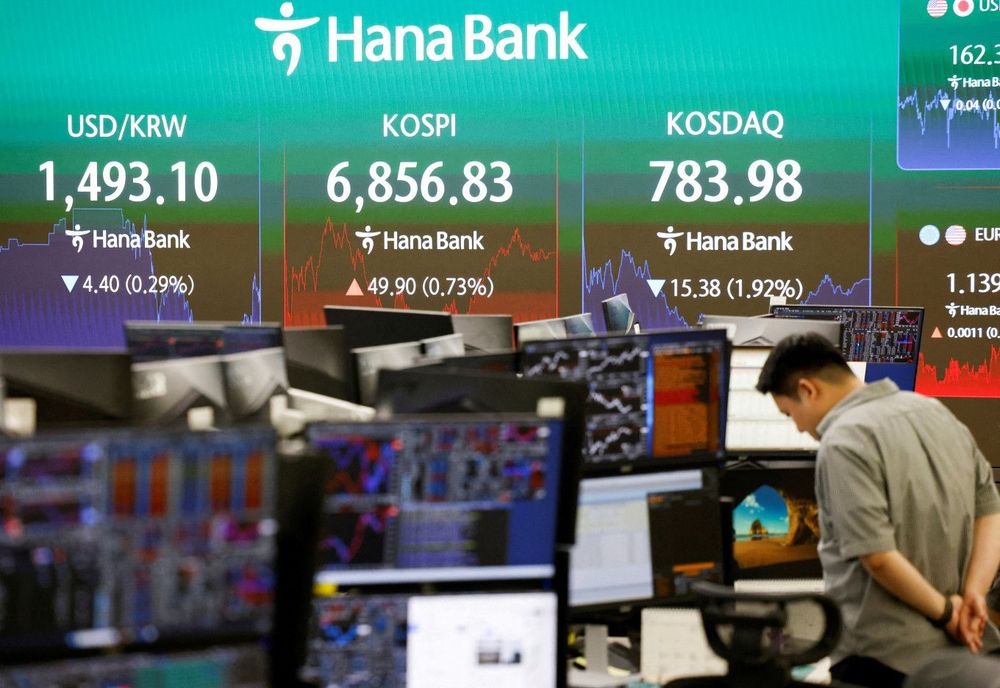
Wall Street indexes closed sharply lower Thursday, followed by European markets. Asian trading sessions reflected the pessimistic sentiment, with Tokyo and Seoul markets tumbling more than two percent. Technology-heavy indexes suffered particularly severe losses, as firms dependent on inexpensive financing face mounting pressure from higher borrowing costs. Japan's benchmark interest rate of approximately 0.1-0.25 percent makes Japanese tech companies especially vulnerable to global rate shifts affecting yen carry trades.
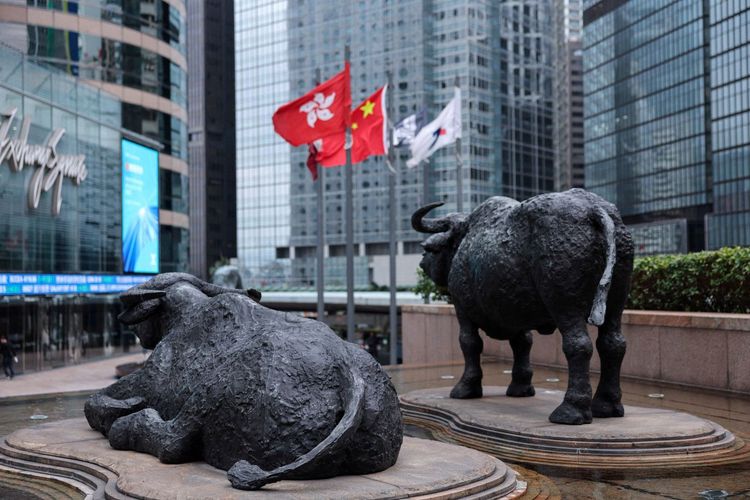
Hong Kong, Shanghai, Sydney, Singapore, Taipei, Wellington and Manila also registered significant declines.
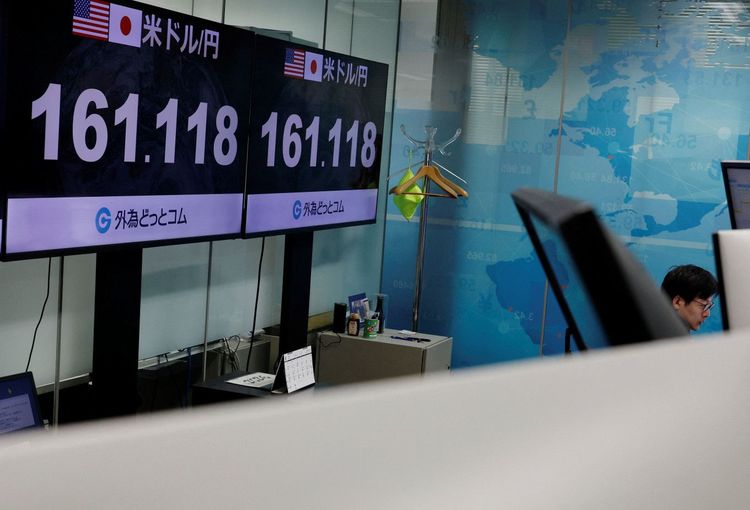
The dollar strengthened against the yen after a week of losses driven by speculation about Bank of Japan rate increases.
Market outlook remains uncertain
Stephen Innes at Quintex Intel observed that attacks on shipping infrastructure now directly impact oil, natural gas and diesel prices. He noted that Iran shows no inclination to de-escalate, warning that prolonged confrontation undermines market assumptions that energy supply disruptions remain temporary.
Markets are generous with temporary problems because they can look through them, but what they hate is when temporary begins overstaying its visa, and oil is starting to do exactly that
Innes said.