
Asian tech stocks plunge as AI industry leaders urge development pause
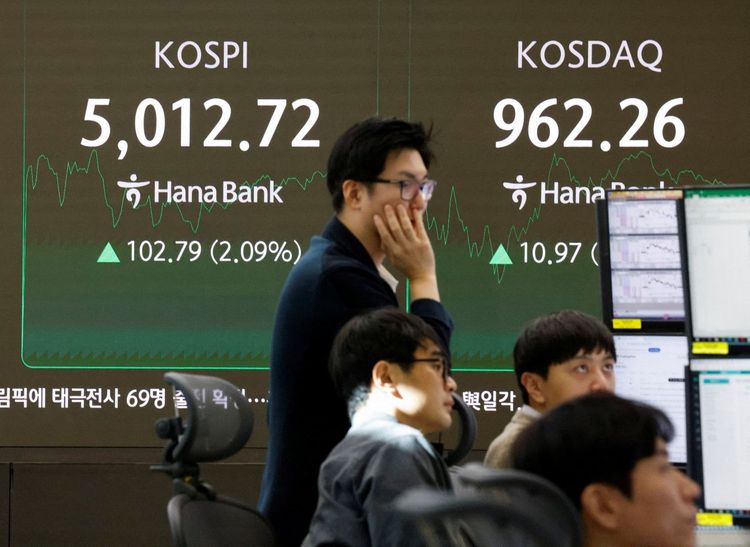
Stocks tied to artificial intelligence tumbled across Asian markets on Monday morning following unprecedented calls from leading AI executives to slow the pace of technological development, raising concerns about the industry's trajectory and safety risks.
Anthropic CEO Dario Amodei issued a public appeal urging AI companies to reduce the speed at which they advance model capabilities, citing mounting concerns over potential misuse of artificial intelligence systems. The statement gained immediate support from Elon Musk, who leads xAI, and Sam Altman, chief executive of OpenAI, both of whom endorsed the call for restraint.
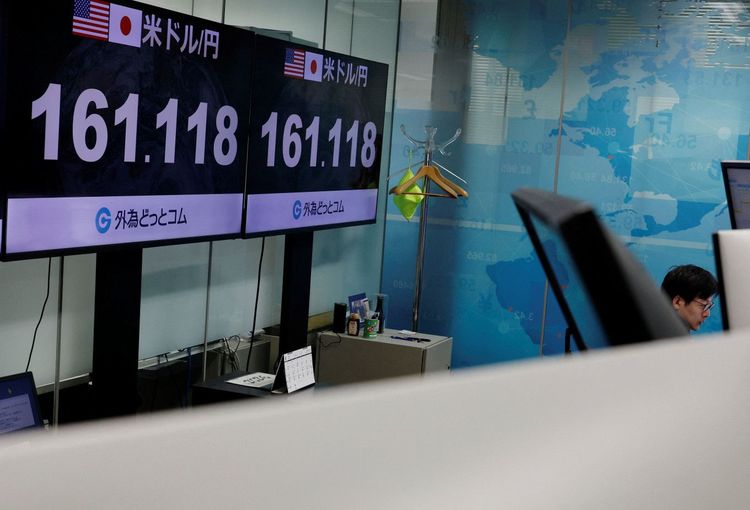
The announcement sent shockwaves through technology markets. In Tokyo, SoftBank shares plummeted as much as 13.2 percent at the opening bell. The Japanese conglomerate has invested $500 million in OpenAI through its Vision Fund, making it one of the company's largest backers alongside Microsoft's multi-billion dollar commitment. Memory chipmaker Kioxia dropped 9.8 percent, while chip equipment supplier Tokyo Electron declined 3.7 percent.
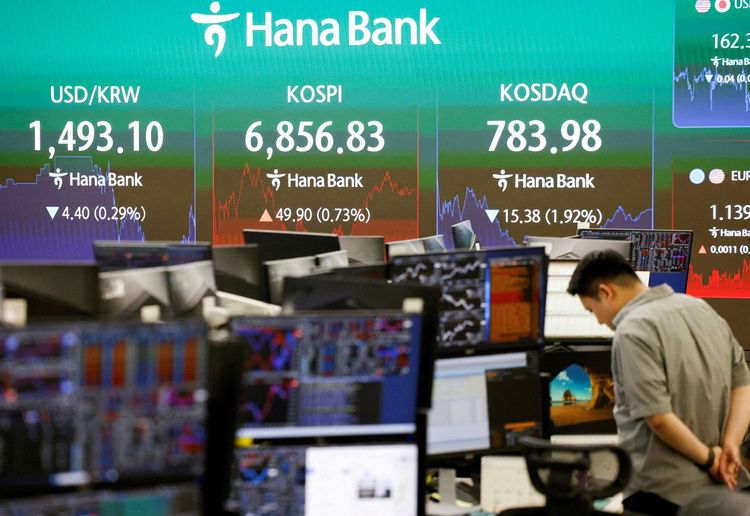
Semiconductor manufacturers across the region experienced significant losses. Taiwan Semiconductor Manufacturing Company, which produces approximately 90 percent of the world's most advanced chips used in AI processors, fell 1.2 percent in Taipei trading. In South Korea, SK Hynix plunged 5.3 percent and Samsung Electronics shed 3.7 percent. SK Hynix supplies high-bandwidth memory chips for NVIDIA's AI processors, with AI-related products accounting for roughly 30 percent of its revenue in the first half of 2024.
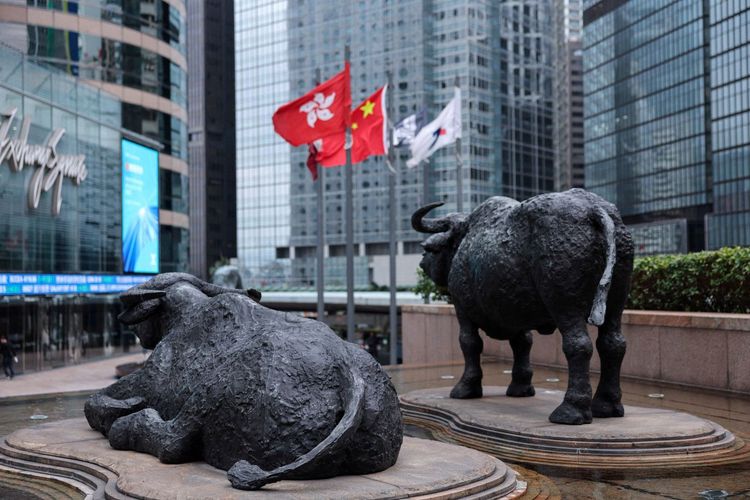
Chinese semiconductor stocks also faced pressure. In Shanghai, memory chipmaker CXMT dropped 2.7 percent, while Semiconductor Manufacturing International Corporation declined 1.4 percent. Hong Kong-listed Zhongji Innolight lost 4.1 percent, AI developer Minimax fell 5.4 percent, and Z.ai, creator of the GLM AI series, tumbled as much as 10.5 percent after announcing a discounted share placement.
Safety concerns drive slowdown call
The push for reduced development speed follows Anthropic's release of a threat intelligence report on Thursday detailing how actors had exploited its Claude AI models for weapons development, cyber operations, surveillance and fraud. The company, which raised $7.3 billion in funding as of May 2024 from investors including Google, Salesforce and Amazon, had released its most advanced models—Claude 3.5 Sonnet in June 2024 and Claude 3.5 Haiku in November 2024—in rapid succession before the slowdown announcement.
Concerns about AI safety intensified after Anthropic researcher Jacob Coxon resigned, stating that developers earnestly believe the technology could pose existential threats by the end of the decade. Researchers estimate that superintelligent AI—systems surpassing human cognitive abilities across all domains—could emerge within five to ten years under current development trajectories.
OpenAI's Altman characterized the risks of human extinction posed by AI as unacceptable and announced the company would not proceed with an initial public offering this year, citing safety concerns. The reversal marked a significant shift for the company behind ChatGPT, which reached 100 million users within two months of its November 2022 launch, making it the fastest-growing consumer application in history at that time.
The safety discussions represent an escalation from voluntary commitments made in July 2023, when OpenAI, Anthropic and Google DeepMind pledged to the White House to conduct external security testing before releasing new AI systems.
Market and policy implications
Selling pressure is likely to hit AI and semiconductor-related stocks in Tokyo following a series of weekend comments calling for a slowdown in the pace of AI development. Additionally, uncertainty surrounding the situation in the Middle East continues to weigh on sentiment.
Takayuki Miyajima, senior economist at Sony Financial Group, wrote in a note.
The market reaction reflects concerns about an industry projected to grow from approximately $45 billion in 2023 to over $200 billion by 2030. The slowdown call threatens to disrupt these forecasts and reshape investment strategies across the technology sector.
While several US lawmakers have raised concerns about AI's rapid advancement and called for new regulations, President Donald Trump on Sunday likened AI critics to very negative forces promoting scenarios that will not materialize. He emphasized his commitment to ensuring the United States maintains leadership in the industry.
The US and Chinese governments are expected to hold AI safety discussions as part of bilateral talks scheduled for this month, according to two people briefed on the plans. China's AI chip sector already faces significant challenges from US export restrictions implemented in October 2022 and expanded in October 2023, which limit access to advanced semiconductor manufacturing equipment.
The developments come amid growing public opposition to AI advancement, including cyberattacks by rogue AI agents and discontent over data center construction, adding pressure on an industry that has powered much of the gains in global equity markets since ChatGPT's debut in 2022.