Asian markets rally as Treasury buyback plan faces skepticism amid yield pressures
Asian equity markets posted gains on Friday as investors assessed the US Treasury Department's intervention to stabilize surging long-term bond yields, though analysts cautioned the measures may prove insufficient to prevent further spikes in borrowing costs.
Treasury Secretary Scott Bessent's commitment to deploy additional policy tools provided limited comfort to US markets, where skeptical investors resumed selling amid concerns about persistent inflation and mounting government debt. The 30-year Treasury yield had climbed to approximately 5.0% in mid-August, levels not witnessed since the eve of the 2007-2008 financial crisis.
Adding to market unease, the ongoing closure of the Strait of Hormuz—a critical chokepoint handling roughly 21% of global petroleum consumption—has kept oil prices on a gradual upward trajectory over the past fortnight as diplomatic efforts between Washington and Tehran remain deadlocked.
Treasury intervention draws mixed reaction
The Treasury Department announced Wednesday it would "at least double" its sovereign bond buyback program, triggering an immediate plunge in long-term rates. However, yields rebounded sharply Thursday, prompting Mark Malek of Muriel Siebert & Co to dismiss the move as "a housekeeping measure destined to be short-term, at best."
Speaking to CNBC on Thursday, Bessent emphasized his department possesses a "big toolkit" to address yield increases disconnected from underlying financial conditions. The toolkit could potentially include bond purchases exceeding the scale unveiled earlier in the week.
We think that this is a thinly traded area of the market, that we're in August, and there's been a lot of corporate issuance that's influenced the market. We believe that the yields don't reflect the underlying fundamentals.
The Secretary projected that inflation—which has exceeded the Federal Reserve's two percent target for more than five consecutive years, with core PCE inflation averaging above target since 2021—would moderate once the United States moves beyond the Iran conflict and crude prices retreat.
Wall Street stumbles while Asia advances
Rising yields pressured Wall Street, where all three major indexes declined as technology companies heavily reliant on debt financing for their massive infrastructure investments led the selloff.
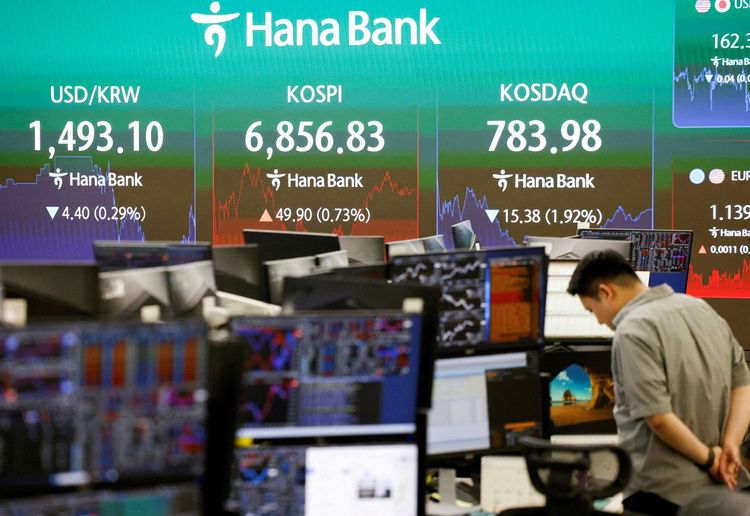
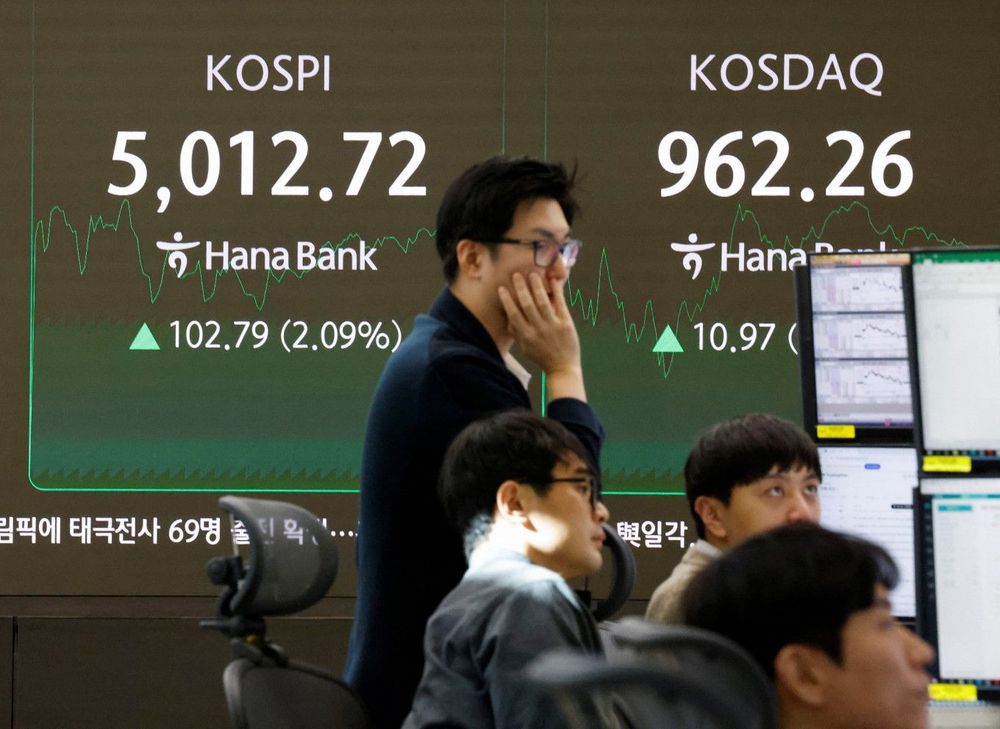
Asian markets demonstrated greater resilience. Technology-heavy Seoul benefited from a rally in semiconductor manufacturers Samsung and SK hynix. Samsung is reportedly planning a shareholder return worth as much as $79 billion—equivalent to roughly 21% of its approximately $380 billion market capitalization. SK hynix, the world's second-largest memory chip maker and a dominant force in high-bandwidth memory chips for AI applications with approximately 50% market share, surged more than 12% Thursday following its announcement of a $29 billion share buyback.
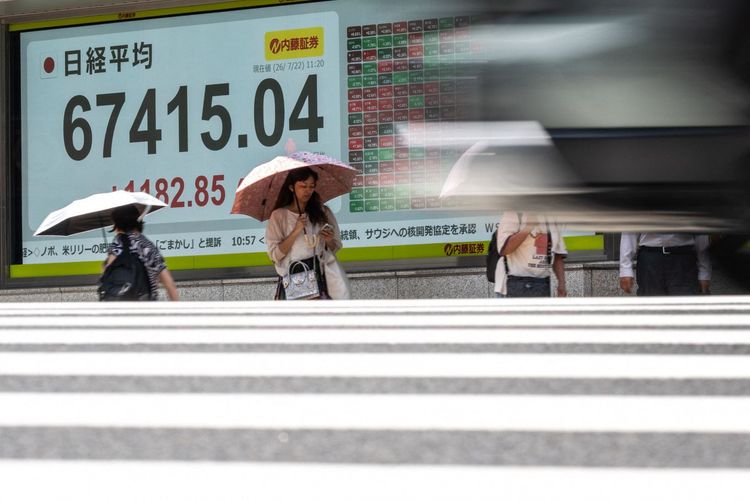
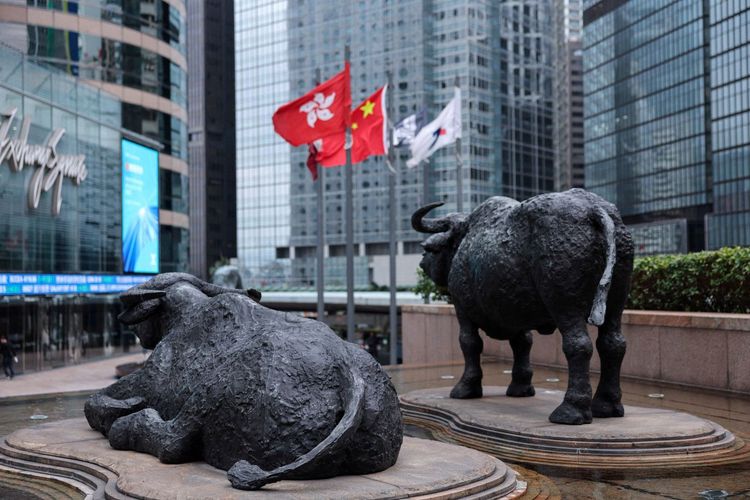
Hong Kong, Singapore, Wellington, and Taipei also registered gains, while Tokyo, Sydney, and Shanghai edged lower.
Yen strengthens on inflation data
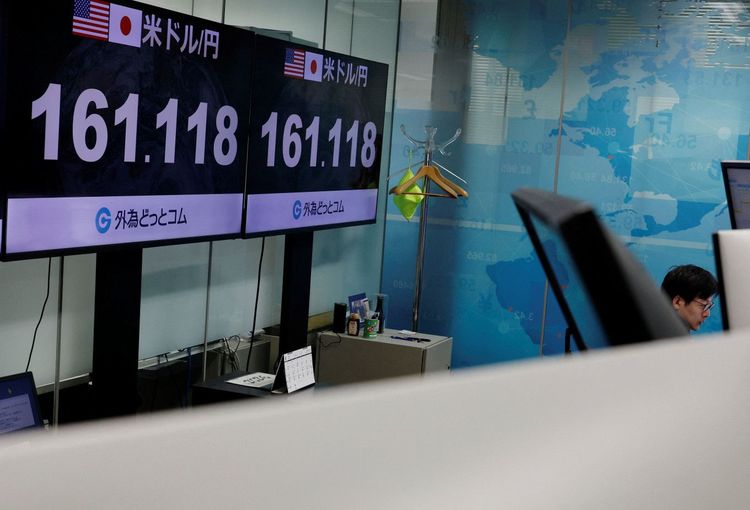
In currency markets, the yen appreciated against the dollar after Japanese inflation accelerated last month on higher energy costs stemming from the Middle East crisis. Japan's core consumer price index rose 2.8% year-on-year in July, marking the 28th consecutive month above the Bank of Japan's 2% target and providing the central bank additional flexibility to raise interest rates next month.
Multiple factors driving yield surge
Market observers identified several drivers behind the spike in borrowing costs. US government debt held by the public has reached approximately $28.5 trillion in August 2026, representing about 110% of GDP and creating significant supply pressures in Treasury markets.
Michael Hewson at MCH Market Insights noted:
We already knew at the start of this year that governments would be looking to raise a lot of money due to increased spending commitments on both sides of the Atlantic, which would mean that buyers would likely be spoiled for choice.
With the boom in AI infrastructure spending, we've discovered yet another source of supply in the form of corporate bonds with the likes of Amazon, Alphabet, Meta and the like looking to raise up to $500 billion of their own.
Major technology companies including Amazon, Alphabet, Meta, Microsoft, and Apple collectively announced plans to issue approximately $480-500 billion in corporate bonds during 2026 to fund AI infrastructure investments, creating unprecedented competition with sovereign debt for investor capital.
This excess in supply is also likely an additional factor serving to weigh on global sovereign debt markets with some investors preferring to invest in Big Tech as opposed to indebted sovereigns.
Other analysts pointed to Fed Chair Kevin Warsh's—who succeeded Jerome Powell in January 2026 and is known for his hawkish inflation stance—refusal to provide markets with forward guidance on the central bank's plans as fueling uncertainty among traders.
Market participants will closely monitor Warsh's speech at next week's Jackson Hole Economic Symposium, an annual gathering hosted by the Federal Reserve Bank of Kansas City since 1978 that has historically served as a platform for major central bank policy announcements, including Ben Bernanke's 2010 quantitative easing signal and Jerome Powell's 2022 inflation-fighting commitment. Investors hope for clarification on the Fed's monetary policy trajectory.