Indonesian stocks surge despite regional market decline, buoyed by MSCI decision and Prabowo speech
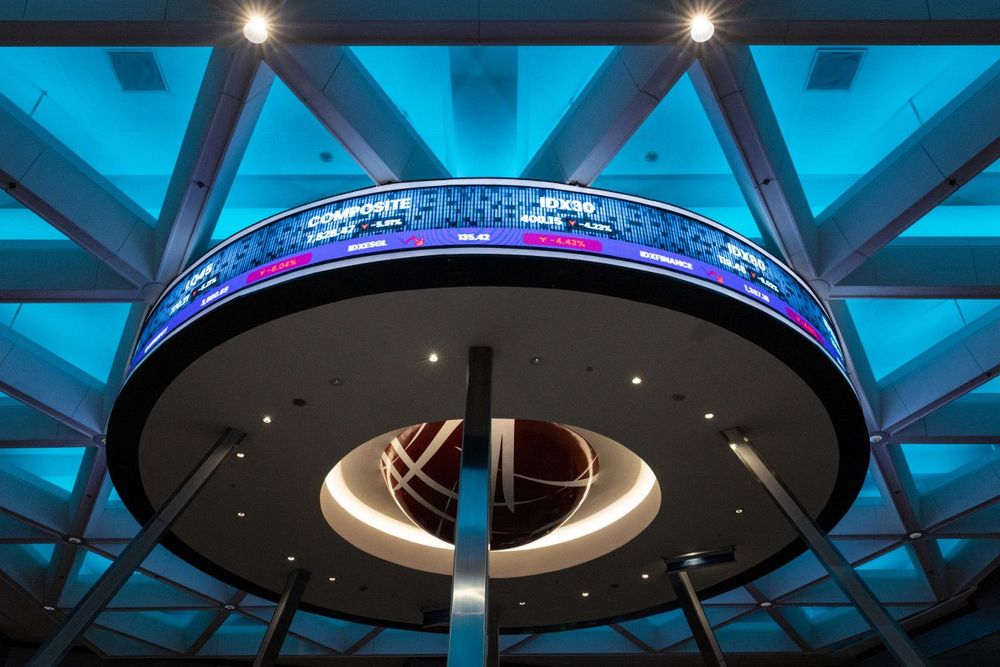
The Indonesia Stock Exchange defied a regional downturn on Tuesday, closing 0.75 percent higher at 6,449.83 points as domestic factors outweighed broader market pressures that pulled down exchanges across Asia.
The Jakarta Composite Index gained 1.2 percent by midday before moderating to close at its final level, with 10 of 11 sectors advancing. The energy sector led the rally with a 2.24 percent rise, coinciding with Brent crude oil prices climbing above $78 per barrel, which benefited Indonesian energy companies including state-owned Pertamina and publicly-traded coal producers.
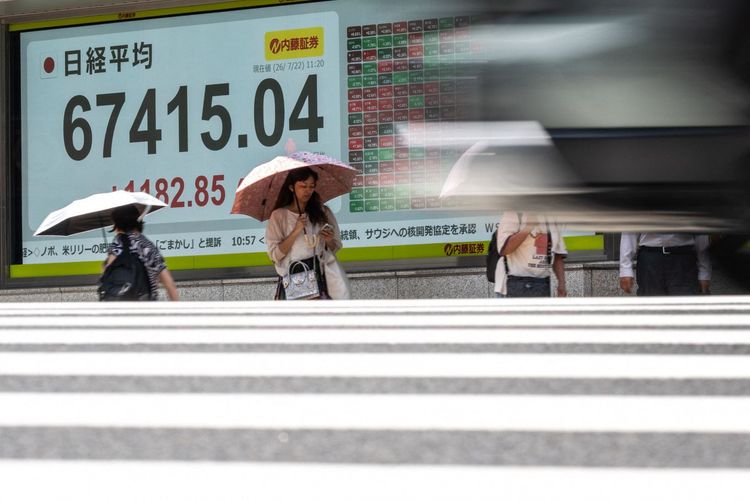
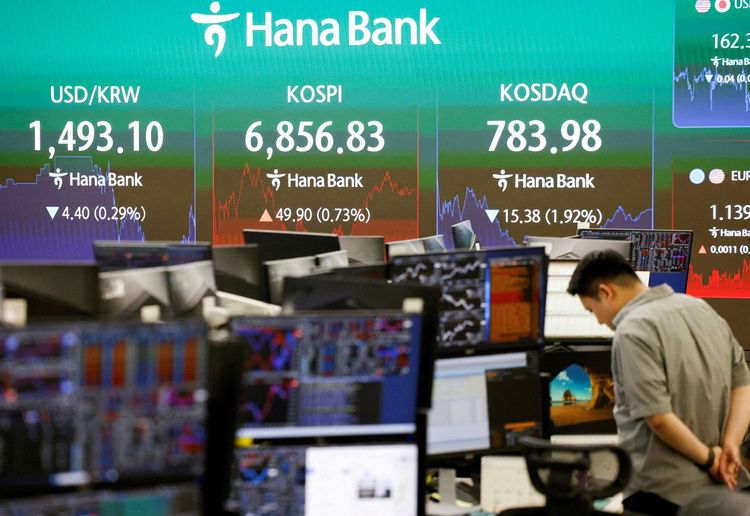
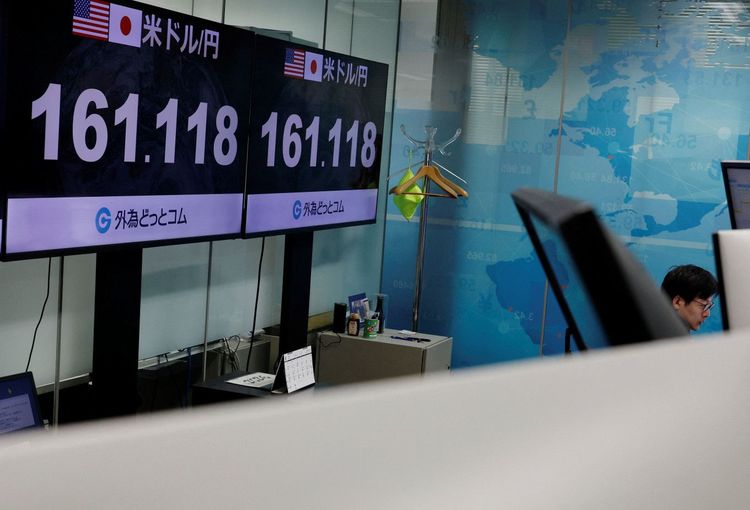
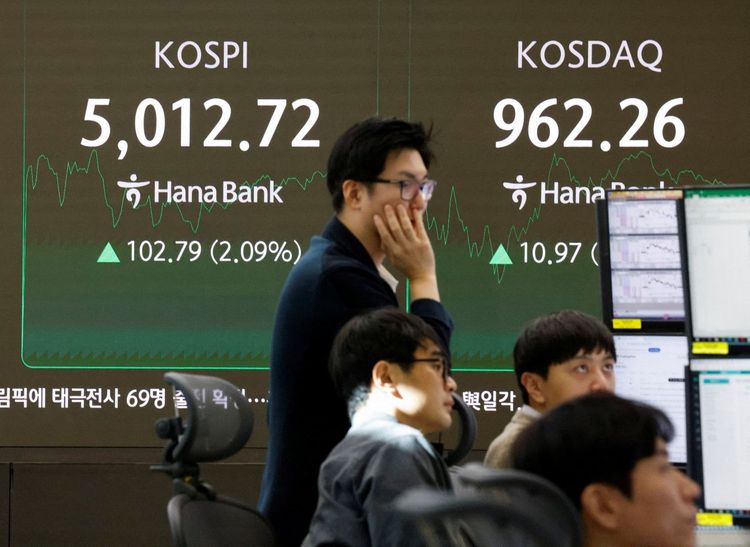
The performance contrasted sharply with regional peers. Japan's Nikkei 225 fell 2.54 percent, pressured by concerns over weakening US economic data and yen appreciation that squeezes Japanese exporters' profit margins. South Korea's Kospi declined 1.55 percent.
MSCI review lifts sentiment
Market analysts attributed the Indonesian bourse's resilience to easing uncertainty following MSCI's annual market classification review. In June 2026, the global index provider maintained Indonesia's status as an emerging market rather than downgrading it to frontier market status, which had been a concern for investors. The decision helped stabilize sentiment and reduce fears of potential capital outflows that typically accompany such reclassifications.
Additional support came from positive sentiment surrounding President Prabowo Subianto's annual state budget address delivered to parliament on August 16, coinciding with Indonesia's Independence Day. The speech outlined economic priorities including infrastructure spending and food security initiatives, providing markets with policy clarity.
Foreign investors continue selling
Despite the rally, foreign investors remained net sellers, offloading $19.89 million worth of shares on Tuesday. This continues a sustained trend of foreign divestment, with foreign ownership in Indonesian equities declining from approximately 22 percent at the end of 2025 to under 19 percent by mid-2026.
Several individual stocks hit their upper auto rejection limits, including PT Jhonlin Agro Jaya, a palm oil plantation firm owned by South Kalimantan coal and palm oil tycoon Haji Isam. The stock surged 24.88 percent to Rp 2,510 per share, a dramatic jump from trading levels below Rp 2,100 for most of 2026, suggesting potential news or corporate action triggered the movement.
Year-to-date challenges persist
While Tuesday's gains provided a respite, the Indonesian bourse remains under pressure for 2026. The index is down 25.41 percent from the start of the year, having peaked at approximately 8,643 points in January before declining nearly 2,200 points over seven months. This places it among Asia's worst-performing markets for the year.
The market correction has eroded total market capitalization from about $690 billion at the start of the year to approximately $515 billion by mid-August, reflecting both price declines and currency depreciation of the rupiah against the US dollar.
Despite the challenging year-to-date performance, Tuesday's rally demonstrated that domestic catalysts can still drive positive sentiment, even when regional markets face headwinds. The question for investors remains whether such gains can be sustained amid ongoing foreign selling pressure and broader market volatility.