
Asian markets rise as oil retreats on Middle East diplomatic progress
Asian equity markets advanced on Wednesday as oil prices continued their retreat from recent highs, with diplomatic efforts to resolve Middle East tensions alleviating concerns about supply disruptions through the Strait of Hormuz, a critical waterway handling approximately 21 million barrels of oil daily—roughly one-fifth of global petroleum consumption.
Both major crude benchmarks have plunged more than eight percent this week as Tehran and Oman move closer to an agreement on partially reopening the strategic strait, while renewed diplomatic initiatives aimed at ending the broader regional conflict have bolstered market sentiment.
US strategy shifts toward economic pressure
US Treasury Secretary Scott Bessent, who joined the Trump administration in January 2025 after a career as a hedge fund manager specializing in global macroeconomics, announced that Washington was launching an economic D-Day against Iran and its trading partners. However, markets interpreted the measures as less aggressive than anticipated, suggesting a preference for economic pressure over military escalation.
BNZ analyst Jason Wong noted that the strategy, dubbed Operation Economic Outcast and designed to sever Iran's remaining financial connections, "could bring Iran back to the negotiating table and help resolve the conflict."
Diplomatic momentum builds through regional mediators
The optimism follows encouraging discussions between Pakistani mediators and Iran's president on Monday. Pakistan Interior Minister Mohsin Naqvi characterized the meeting as "very positive and productive," expressing confidence that "the momentum will help pave the way for further progress and lasting peace in the region." Pakistan has previously served as a crucial intermediary between Washington and Tehran, notably facilitating communications during the 2020 crisis following the US drone strike that killed Iranian General Qasem Soleimani. Oman, which maintains diplomatic ties with both nations and played a key role in the secret negotiations leading to the 2015 Iran nuclear agreement, is also participating in current talks.
Oil prices retreat sharply from recent peaks
Oil prices fell more than two percent on Wednesday, pushing Brent crude firmly below $90 per barrel after surging above $95 earlier in August amid escalating US-Iran confrontations—a spike of 15-20 percent from July levels.
The retreat in energy costs has eased pressure on financial markets following last week's price surge, which heightened inflation concerns and drove yields on long-dated US Treasury bonds to 5.0 percent, their highest level since 2007, just before the global financial crisis. These elevated yields reflected investor worries about inflation and deficit spending.
Regional equity markets post broad gains
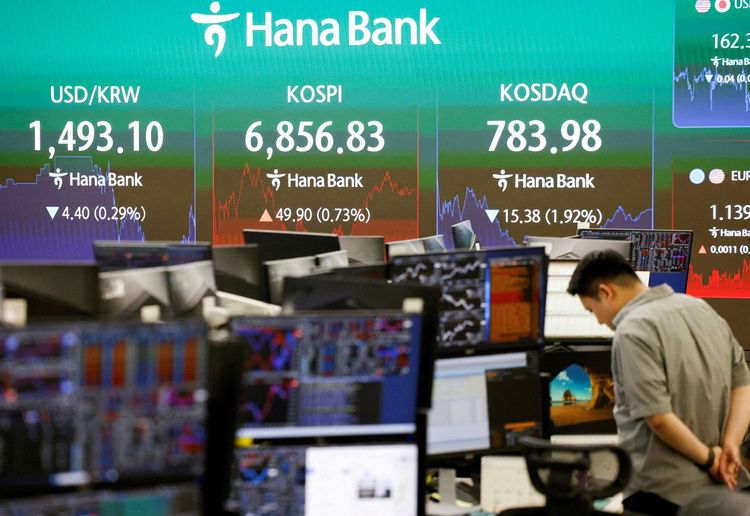
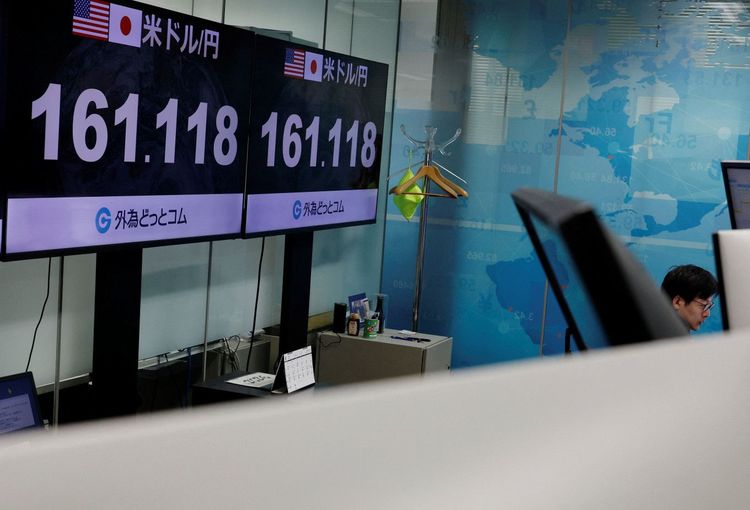
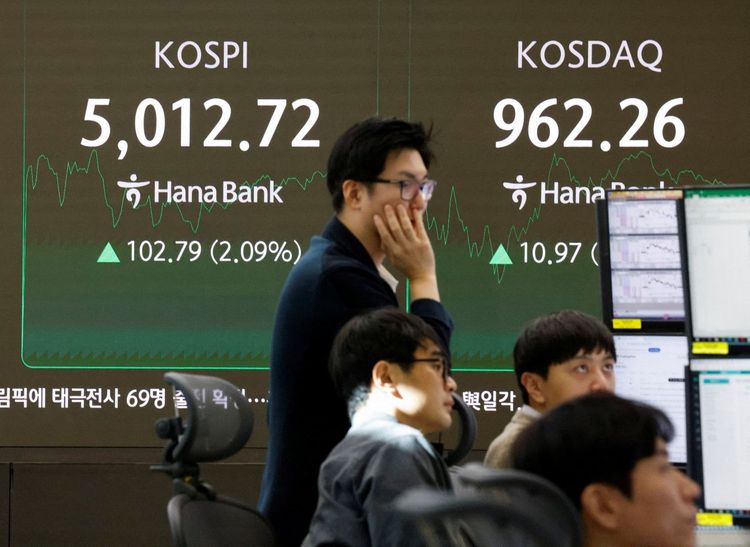
Lower borrowing costs and prospects for Middle East diplomacy provided welcome support to equities. Markets in Tokyo, Hong Kong, Shanghai, Sydney, Seoul, Wellington and Taipei all posted gains, though Singapore and Manila declined. Asian equity markets, representing approximately 35 percent of global market capitalization and over $25 trillion in combined value across major indices, often serve as leading indicators for broader market sentiment.
Analysts cautioned that simmering trade tensions between the United States and Canada continued to generate uncertainty, while attention remained firmly fixed on Nvidia's second-quarter earnings report due Wednesday.
Nvidia earnings in spotlight as AI boom continues
The chipmaking giant, which surpassed $3 trillion in market capitalization in 2024 after its stock soared more than 200 percent in 2023 on AI-driven demand, has become a critical barometer for the technology sector and the broader artificial intelligence boom that has propelled markets to record highs over the past two years. With the AI semiconductor market projected to reach $400 billion by 2027 and data center chip demand growing at over 40 percent annually, Nvidia's performance carries outsized significance for investor confidence.
"Several analysts argue that the second-quarter number itself may end up mattering less than what management says about the quarter ahead. It's entirely possible for the headline print to look solid and the stock to still sell off if the third-quarter guide comes in below what's already embedded in current estimates."
IG market analyst Axel Rudolph said.
Key inflation data awaited
Wednesday also brings the release of US personal consumption expenditure data, the Federal Reserve's preferred inflation gauge. The PCE index, which excludes food and energy prices in its core measure and accounts for changes in consumer behavior across a broader range of expenditures than the Consumer Price Index, plays a crucial role in Fed policy deliberations.
A softer-than-expected reading could dampen expectations for interest rate increases, while an elevated figure would likely intensify speculation about tighter monetary policy ahead.